

Trending Now
 Ayesa India wins Design Consultancy Contract for Noida Metro Aqua Line Extension
 Vossloh Cogifer bags Track Infrastructure Contract for Delhi Metro Phase 4 Corridors
 Railway finalised revised alignment for ₹16,000-crore Pune–Nashik Semi High-Speed Rail Corridor
 India’s First High-Speed, Signalling-Integrated CMV launched for Namo Bharat RRTS Corridor
 TuTr Hyperloop secures First-Ever Order from Deendayal Port Authority
 BEML bags ₹157 Crore Order from Loram Rail for Switch Rail Grinding Machines
 MxV Rail and KRRI forge Global Research Alliance to accelerate Next-Generation Rail Technologies
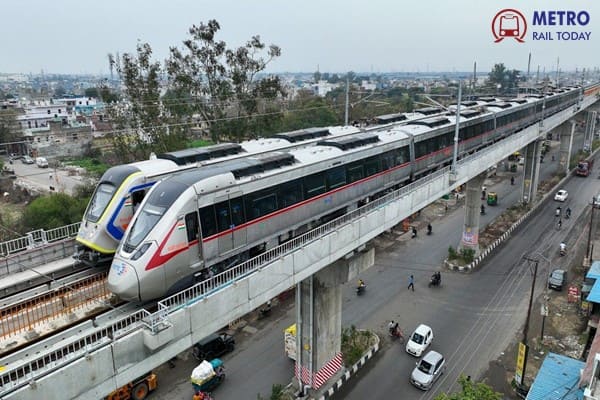 Uttarakhand seeks Pre-Feasibility Study for Meerut-Haridwar-Rishikesh RRTS Corridor
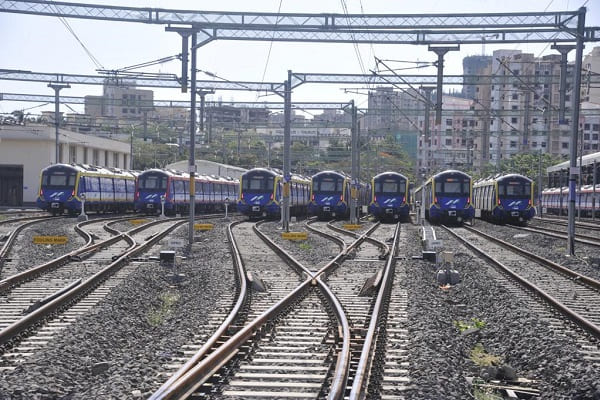 RIFTEK achieves major milestones in partnership with Indian Metro Rail Systems
 Egypt all set to launch Alexandria Metro Phase 1 by 2026
30 Years of Delhi Metro: Transforming Urban Transportation in National Capital Region
MRT Online Desk
Posted on: 2024-05-03 15:00:00
Viewer: 2,309
Comments: 0
Country: India
City: New Delhi
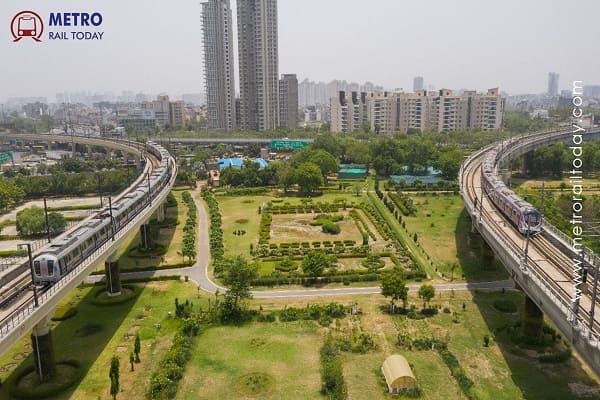
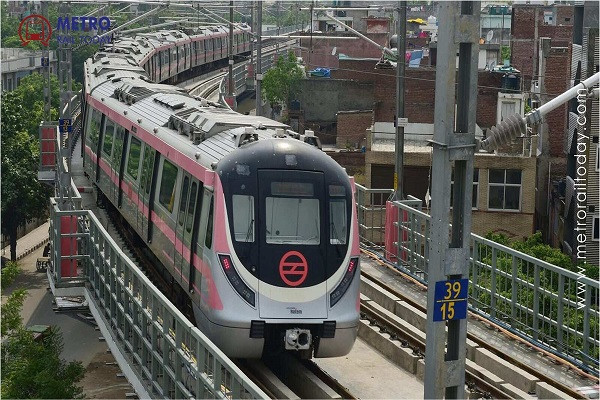
New Delhi, India (Metro Rail Today): Delhi Metro Rail Corporation Limited (DMRC) is marking a significant milestone today as it celebrates its 30th Foundation Day. This occasion is a testament to the remarkable journey of the Delhi Metro, which has evolved into the lifeline of the Delhi NCR region, catering to millions of passengers daily. The Delhi Metro has not just transformed the way people commute but has also become an integral part of the daily lives of Delhiites.
The inception of the Delhi Metro dates back to May 3, 1995, when the dream of constructing and operating this state-of-the-art metro system was realized. With equal equity participation from the Government of Delhi (GNCTD) and the Central Government, the Delhi Metro Rail Corporation Limited was registered under the Companies Act, 1956. It was a visionary step towards revolutionizing urban transportation in the National Capital Region.
The journey of the Delhi Metro commenced on December 24, 2002, with the inauguration of the Red Line. The first metro train embarked on its journey between Shahdara and Tis Hazari, covering a distance of 8.4 kilometers. Since then, the Delhi Metro network has witnessed remarkable expansion, currently spanning approximately 392.44 kilometers with 288 stations.
One of the most remarkable aspects of the Delhi Metro is its ability to connect not just different parts of Delhi but also neighboring cities like Noida, Ghaziabad, Gurugram, Faridabad, Bahadurgarh, and Ballabhgarh. It has truly become a lifeline for commuters across the National Capital Region.
The Delhi Metro is also known for its technological advancements and innovative features. Trains operated by Communication-Based Train Control (CBTC) signaling technology ensure safe and efficient operations. Additionally, the implementation of Unattended Train Operation (UTO) technology has further enhanced the commuting experience for passengers.
Moreover, the Delhi Metro has embraced sustainability initiatives such as rainwater harvesting and regenerative braking systems, contributing to environmental conservation. Its commitment to passenger safety is evident through features like the "sari guard" on escalators, ensuring a secure commute for all passengers.
As the Delhi Metro celebrates its 30th Foundation Day, it stands as a symbol of progress, efficiency, and connectivity. With its rapid expansion and unwavering commitment to excellence, the Delhi Metro continues to play a pivotal role in shaping the future of urban transportation in India.

MRT Online Desk
Metro Rail Today is an authentic and global news provider for the Rail & Metro industry from and around the world.