

Trending Now
 Karnataka proposes 270-km RRTS Network linking Bengaluru with Tumakuru, Mysuru and KGF
 Alstom and Vingroup sign MoU to supply up to 200 Metro Trains for Hanoi Urban Rail Projects
 Afcons Infrastructure wins ₹1,383 crore Civil Contract for Lucknow Metro Phase 1B Corridor
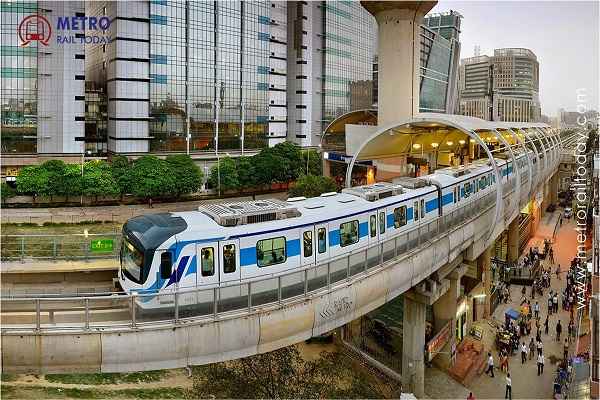 GMRL issues ₹1,662 crore Civil Tender for Sector 9–Cyber City Gurugram Metro Rail Corridor
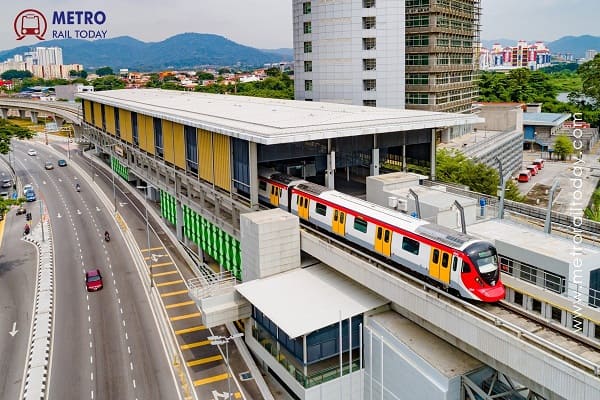 Madrid unveils €1.57 billion Metro Rail Expansion Programme with 27.8 km of New Corridors
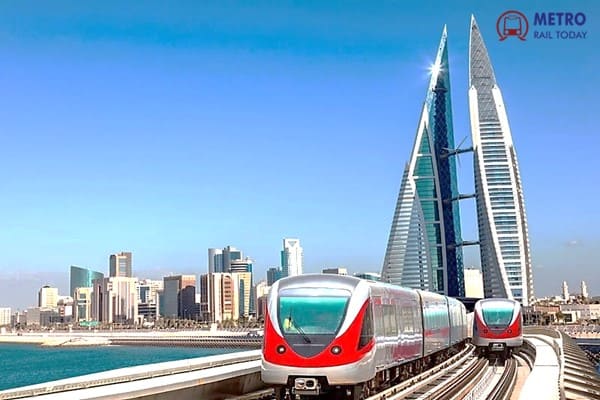 Global Tender launched for Project Management Consultancy for Abu Dhabi Tram Line 4
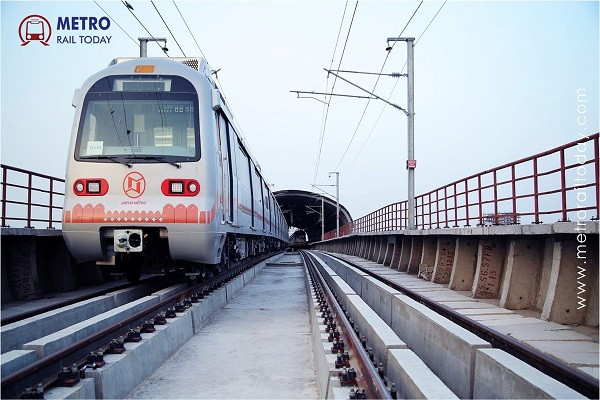 NV Dynamics awarded Noise and Vibration Study contract for Jaipur Metro Phase 2 Project
 Two global consortia bid for India’s 350 kmph High-Speed Rail Design consultancy contract
 Larsen & Toubro (L&T) extends Hyderabad Metro stake sale timeline to 31 December 2026
 Haryana Govt approves ₹1,662 crore construction tender for Gurugram Metro Phase 2
Patna Metro to roll out soon, Gets three coach trainset from Maha Metro on rental basis
MRT Online Desk
Posted on: 2025-07-15 16:30:00
Viewer: 5,972
Comments: 0
Country: India
City: Patna
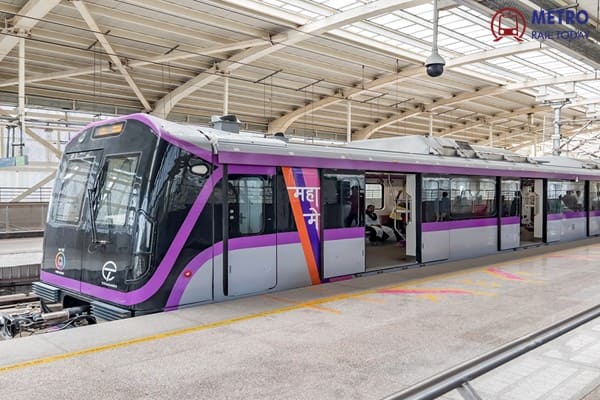
Patna, India (Metro Rail Today): In a key step towards operationalising the Patna Metro, the Bihar government has approved a strategic plan to rent a three-coach train set, originally manufactured for Pune Metro, to kick-start metro services in the state capital. The move, costing ₹21.15 crore over three years, is a cost-effective solution that brings the city significantly closer to launching its long-awaited rapid transit system.
The decision was taken during a cabinet meeting chaired by Chief Minister Nitish Kumar, where several important infrastructure proposals were cleared. Among them was the formal agreement to entrust Delhi Metro Rail Corporation (DMRC) with the operation and maintenance of the Patna Metro’s priority corridor from August 2025 to March 2028, at an estimated cost of ₹179.37 crore.
According to Dr. S. Siddharth, Additional Chief Secretary, the rental approach is pragmatic, allowing the project to begin services without the higher capital cost of purchasing a new train set. The selected train is equipped with onboard signalling systems, making it fully compatible with modern metro operation standards.
This development marks a turning point in Patna’s urban mobility journey. The Patna Metro, when operational, will directly address long-standing issues of traffic congestion, high vehicular emissions, and growing travel demand in one of India’s fastest-growing Tier-2 cities.
By introducing high-capacity, modern public transport, the metro aims to:
-
Reduce road congestion and cut travel time
-
Encourage a modal shift from private vehicles to public transit
-
Improve air quality and help achieve carbon reduction goals
-
Enhance accessibility to jobs, education, and services, especially for women, the elderly, and people with disabilities
Beyond transportation, the project promises broad socio-economic benefits, including:
-
Creation of local employment opportunities in operations and support services
-
Boosting tourism and commercial activity across key corridors
-
Enabling gender-inclusive and equitable urban development
The metro is envisioned not just as a transit system but as a transformative engine for sustainable growth—a step towards a smart, clean, and connected Patna.
With both State and Central governments pushing to expedite project implementation, Patna’s metro journey is finally gaining momentum. The city’s residents can look forward to a more efficient, greener, and accessible transport system, setting a benchmark for other emerging urban centres across India.

MRT Online Desk
Metro Rail Today is an authentic and global news provider for the Rail & Metro industry from and around the world.