

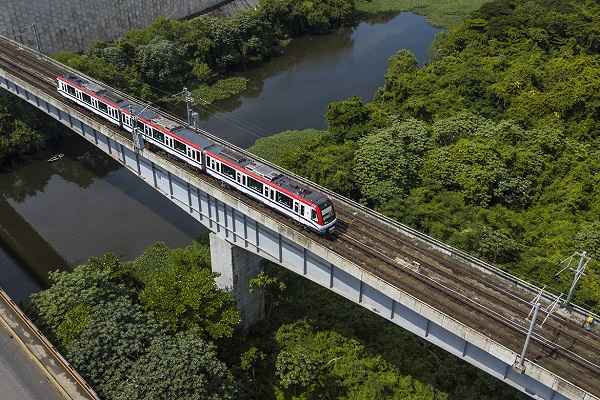
 Modern Trainlines and the End of Coal Trains: Why Rail Networks Have Moved Forward
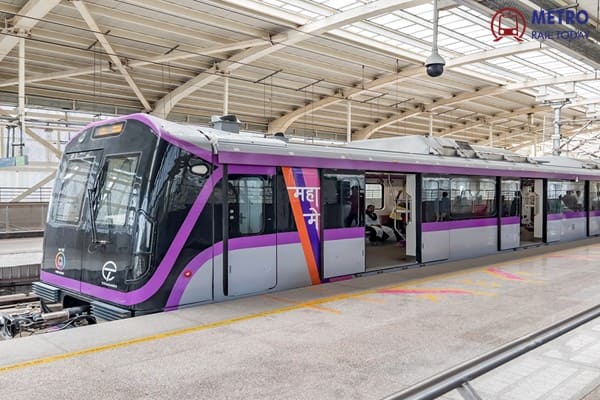 Siemens Bags Order from Titagarh Rail Systems for Pune Metro Extension Trainsets
 Titagarh Rail Systems becomes Corporate Member of Chamber of Railway Industries (Rail Chamber)
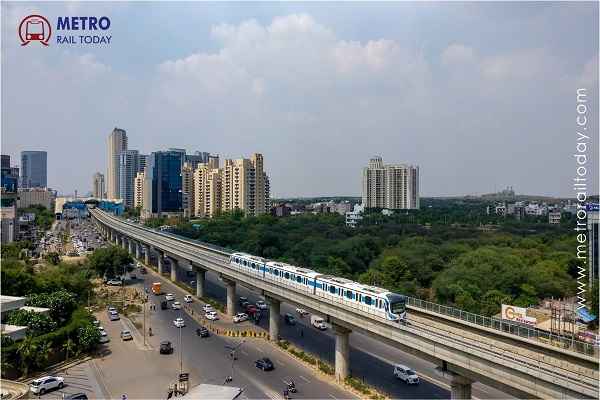 World Bank approves ₹1,400 crore Civil Tender for Gurugram Metro Phase 2
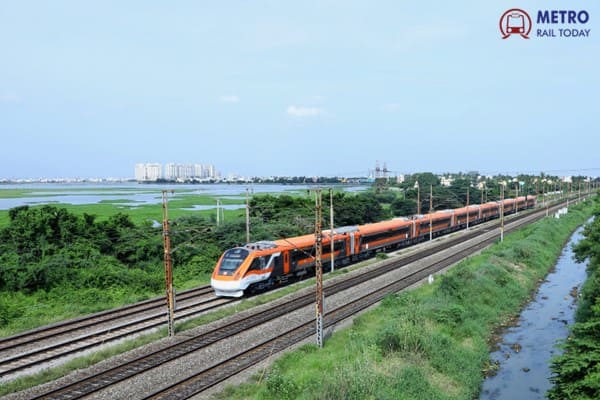 Bi-RIDE invites ₹200 crore Tender for Soladevanahalli Depot of Bengaluru Suburban Rail Project
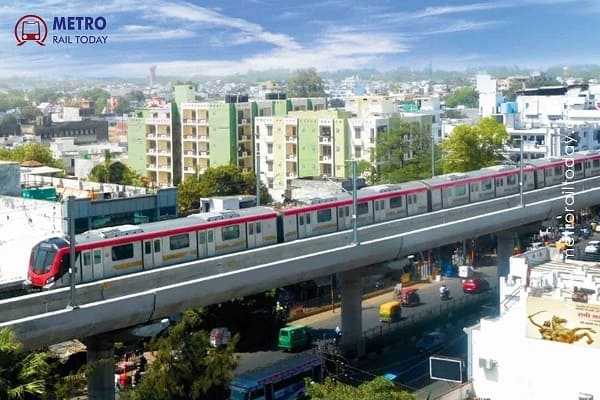 GHV India awarded ₹107.79 crore Civil Contract for Lucknow Metro East-West Corridor
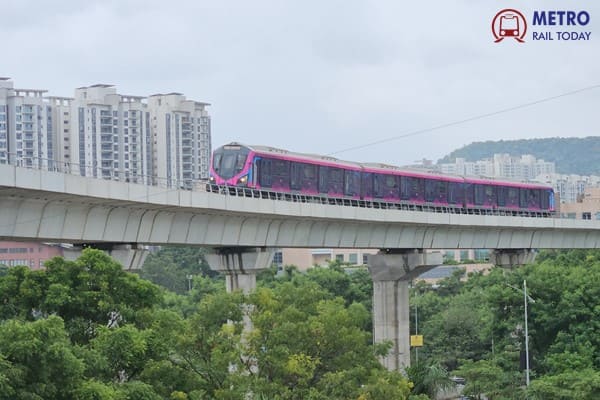 Pune Metro Line 3 set to launch First 12-km Section on 15 July 2026
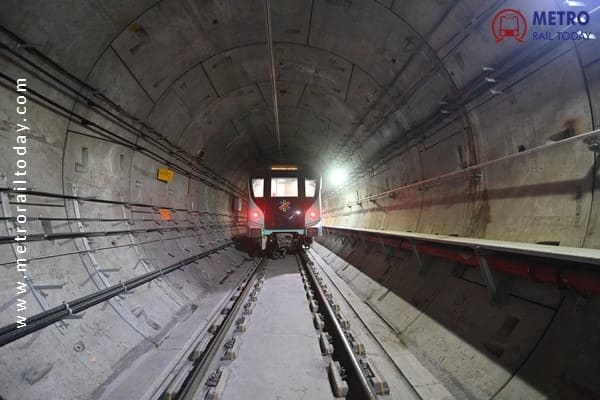 DMRC gets approval to Fell or Transplant 364 Trees for Central Vista Metro Corridor under Phase IV
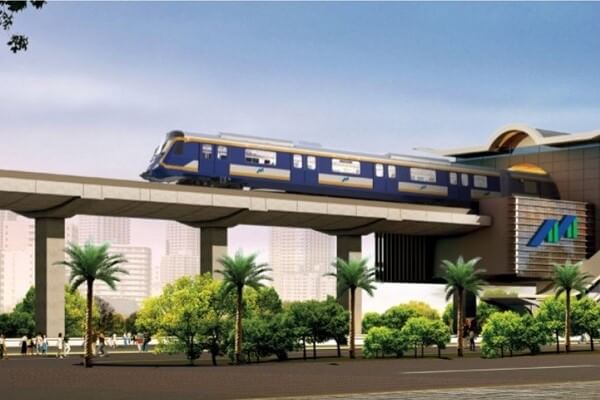 ₹4.5 Lakh crore Metro Rail Investment reaches less than 5% of Urban Population in India
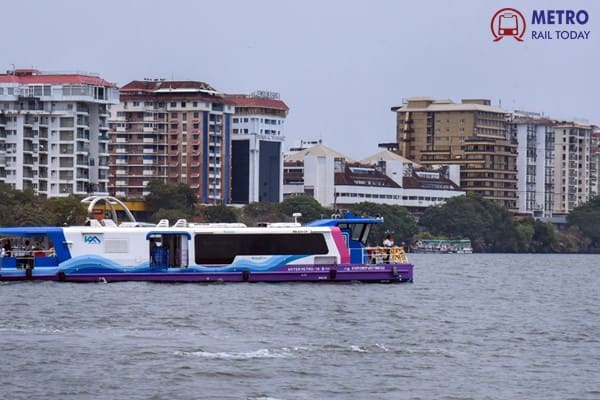 West Bengal plans to launch Water Metro Systems in Kolkata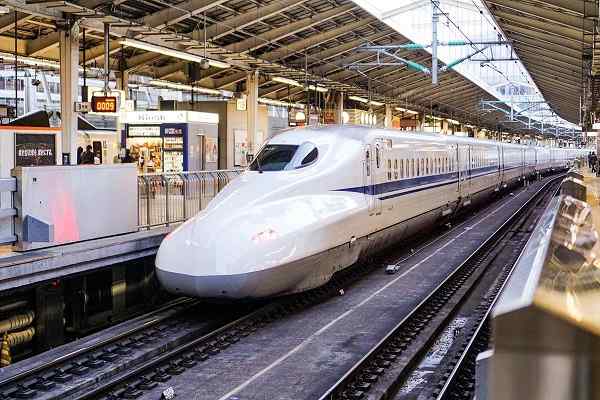
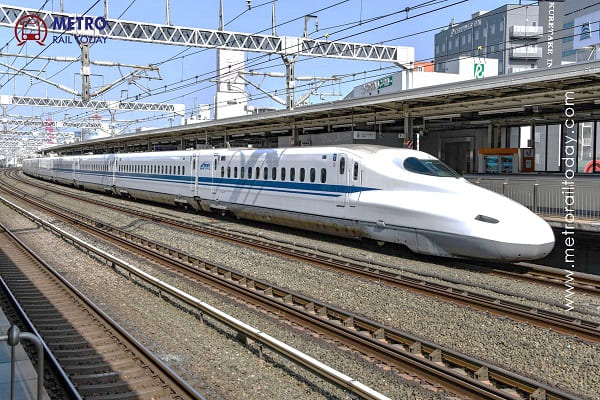
As reported by The Japan Times, this generous gesture includes one E5 series and one E3 series Shinkansen, both set to arrive in India by early 2026. The trains will be equipped with advanced inspection and data collection systems designed to evaluate how high-speed operations can adapt to India's challenging conditions, including extreme heat and dust.
These donated bullet trains aren’t just for show—they’re crucial for testing. Engineers will analyze the collected data to understand local driving conditions and assess performance standards. This will directly shape the development of India’s future E10 series Shinkansen, which are expected to be manufactured domestically and launched in the early 2030s.
Until the E10s are ready, India plans to use modified versions of its semi-high-speed trains to initiate limited service on the high-speed corridor.
Japan is already the major financial backer of the Mumbai-Ahmedabad project, covering nearly 80% of the funding through low-interest yen loans. As costs rise, both governments are working on a revised loan agreement to ensure a smooth rollout of the E10 series. An official announcement is expected during Prime Minister Modi’s upcoming visit to Japan for a bilateral summit.
What Do “Free Bullet Trains” Mean for India?
-
No Immediate Cost: India receives state-of-the-art testing trains from Japan without direct expenditure, reducing early-stage financial pressure.
-
Faster Testing, Quicker Launch: With test trains arriving by 2026, operational trials can begin well in advance, speeding up project timelines.
-
Tech Transfer & Local Manufacturing: The data from testing will aid in customizing Shinkansen tech for India and kick-start local production of bullet trains.
-
Stronger Bilateral Ties: The gesture reflects deepening India-Japan relations and mutual commitment to high-tech infrastructure.
-
Future-Ready Transport: These steps move India closer to a high-speed rail future, revolutionizing intercity travel and boosting economic zones along the corridor.
India’s bullet train dream just got a turbo boost—two Shinkansen trains are en route, free of charge from Japan, bringing India one step closer to ultra-fast rail travel. As testing begins and local production gears up, the Mumbai-Ahmedabad route could soon become a shining example of Indo-Japanese collaboration on next-gen infrastructure.