


Trending Now
 Pune Metro Line 3 set to launch First 12-km Section on 15 July 2026
 DMRC gets approval to Fell or Transplant 364 Trees for Central Vista Metro Corridor under Phase IV
 ₹4.5 Lakh crore Metro Rail Investment reaches less than 5% of Urban Population in India
 West Bengal plans to launch Water Metro Systems in Kolkata
 Titagarh Rail Systems targets full Indigenous Aluminium Coach Manufacturing by FY2027
 MMRDA issues Track Works Tender for Kasheli Depot of Mumbai Metro Line 5
 Indian Railways to procure 60 new Rolling Stock Trains for Kolkata Metro in five years
 Kerala forms Expert Committee to evaluate Thiruvananthapuram–Kannur High-Speed Rail Corridor
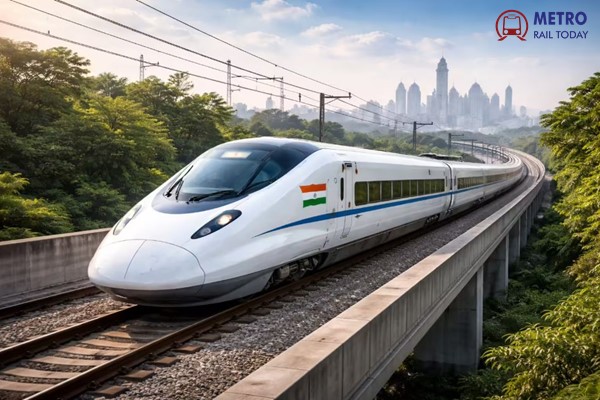 Mumbai–Ahmedabad Bullet Train Project achieves third Mountain Tunnel Breakthrough in Maharashtra
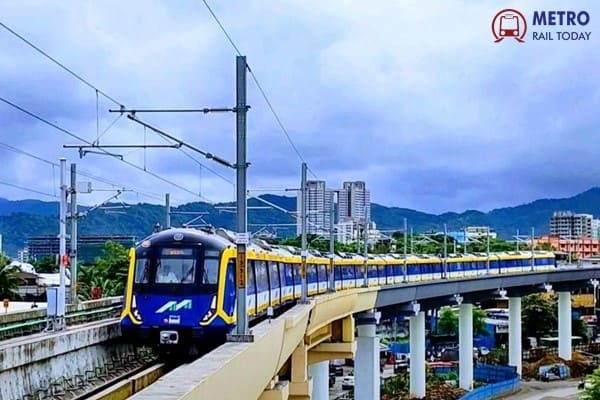 MMRDA invites bids for ₹4,882 Crore Rolling Stock & Systems Contract for Mumbai Metro Line 12
Indian Railways to renovate first stretch of Kolkata Metro in 9 months
MRT Online Desk
Posted on: 2025-08-22 17:25:00
Viewer: 2,737
Comments: 0
Country: India
City: Kolkata
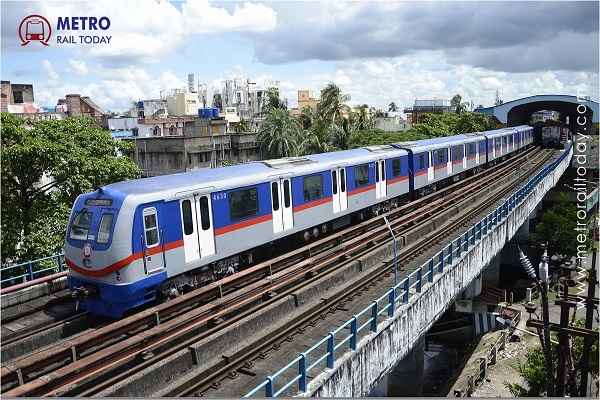
Kolkata, India (Metro Rail Today): In a significant move to restore and modernize India’s first metro corridor, Kolkata Metro has launched a full-scale infrastructure renovation of its decades-old North-South Line, aiming to complete the massive effort within nine months.
The initiative targets the Dum Dum–Tollygunge stretch—now renamed Mahanayak Uttam Kumar—which has been in operation since 1984 and bears the brunt of daily ridership pressure. Over the years, aging infrastructure, water seepage, track wear, and outdated electrical systems have contributed to frequent operational challenges and passenger discomfort.
“This is not just a maintenance exercise; it’s a transformation project. We’re determined to bring the first metro of the country in line with modern systems across the country,” said P. Uday Kumar Reddy, General Manager of Metro Railway Kolkata. “Our goal is to improve operational efficiency, enhance safety, and upgrade the overall passenger experience—without halting services.”
The project encompasses structural, electrical, and systems overhauls. Leaky tunnels will be sealed using modern grouting and waterproofing techniques. Overused and corroded track sections will be replaced with stronger, vibration-resistant components. Legacy electrical systems, including transformers and high-voltage power lines, are being phased out for newer, energy-efficient versions.
Station infrastructure is also being brought into focus. Commuters can expect better lighting, redesigned signage, and more accessible station layouts. Drainage systems—especially at low-lying stations like Kalighat and Rabindra Sadan—are being redesigned to prevent seasonal waterlogging.
Crucially, the signaling system is getting an upgrade as well. Automation, real-time tracking, and improved train detection systems are being introduced to ensure punctuality and reduce the risk of technical failures.
Metro authorities have committed to keeping train services operational during the day. Most of the critical work is scheduled during non-revenue hours—between midnight and early morning—to avoid commuter inconvenience. Engineers and track specialists will work in shifts around the clock to meet the tight nine-month deadline.
“Our maintenance teams are working double shifts at night. We are trying to ensure passengers do not face any inconvenience during this entire revamp process,” added Sanjay Mukherjee, Chief Engineer, Metro Railway.
The phased approach ensures that vital corridors aren’t closed completely. The most critical sections will be prioritized in the early months, with sequential station-level upgrades continuing till mid-2026.
Regular passengers have long demanded attention to aging infrastructure. Sudipta Roy, a daily commuter from Tollygunge to Esplanade, welcomed the development but added, “Let’s just hope it doesn’t get delayed like other infrastructure projects. We’ve been facing water leakage and low lighting for years.”
Kolkata Metro’s modernization could set a template for other older metro systems across India, especially as cities like Chennai and Delhi also face infrastructure fatigue on their earliest lines. Urban transport analysts have called this a timely intervention, particularly as the government continues to emphasize metro expansion under the National Urban Transport Policy.
With a rich legacy but creaking infrastructure, Kolkata Metro’s renaissance could be a defining moment in India's urban transit evolution—balancing heritage with high-tech upgrades.


MRT Online Desk
Metro Rail Today is an authentic and global news provider for the Rail & Metro industry from and around the world.