


Trending Now
 Tender floated for construction of Viaduct, Twin Tunnels and Underground Stations for Indore Metro
 Vietnam needs over 70,000 Engineers and Skilled Workers for Ho Chi Minh City Metro Project
 India targets production of indigenous 350 kmph High Speed Bullet Trains by 2030
 West Bengal proposes four RRTS Corridors linking Kolkata with South Bengal Cities
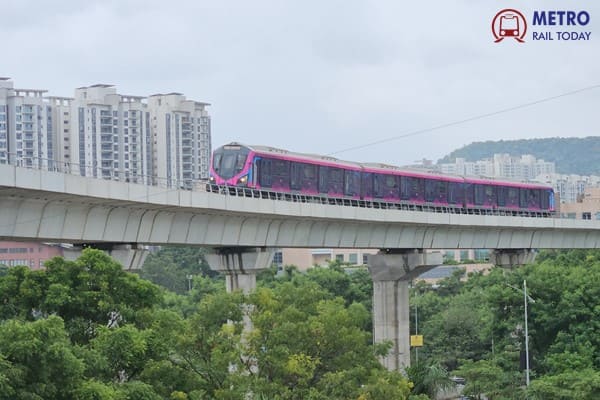 Pune Metro Line 3 targets September-end opening with 17 stations on Hinjawadi–Shivajinagar corridor
 Jupiter Wagons Limited forms New Subsidiary to expand Railway Mobility Business
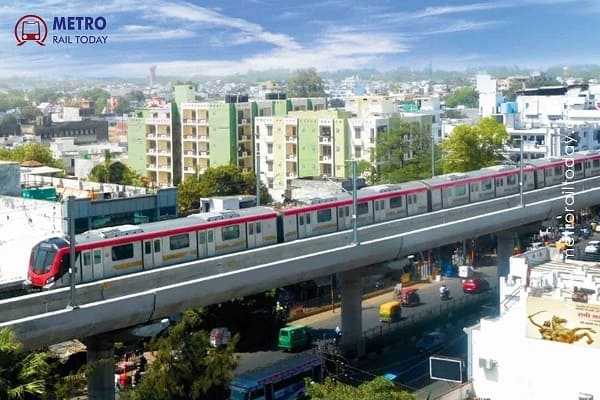 Five major firms bid for ₹1,878 crore Underground Section of Lucknow Metro Phase 1B Project
 DMRC focuses on Technology, Financial Sustainability and Global Expansion: Dr. Vikas Kumar
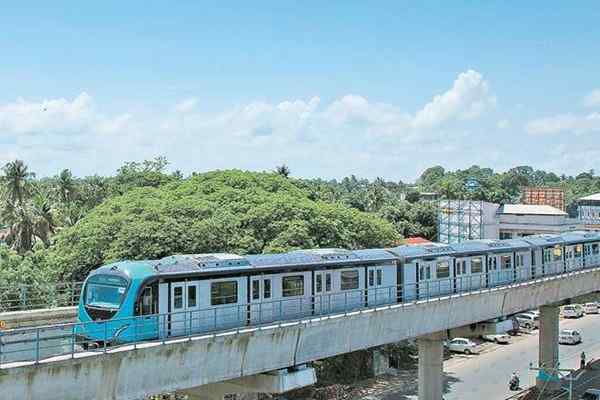 DMRC seeks opportunity to take up operation and maintenance of the Kochi Metro Rail network
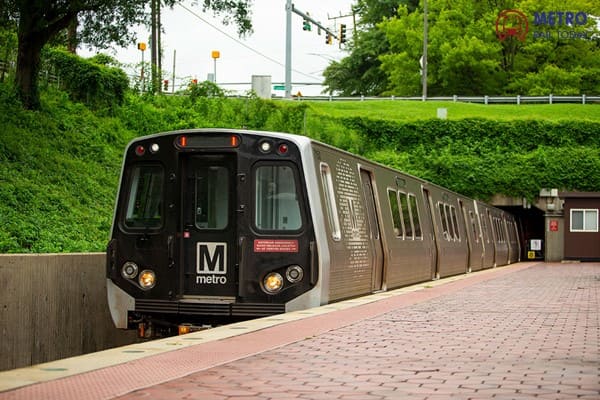 New Zealand opens country's first Underground City Rail Link in Auckland
Patna Metro to use BEAM system first time in India for real-time tunnel monitoring
Dr. Vinod Shah
Posted on: 2023-08-24 13:25:00
Viewer: 2,335
Comments: 0
Country: India
City: Patna
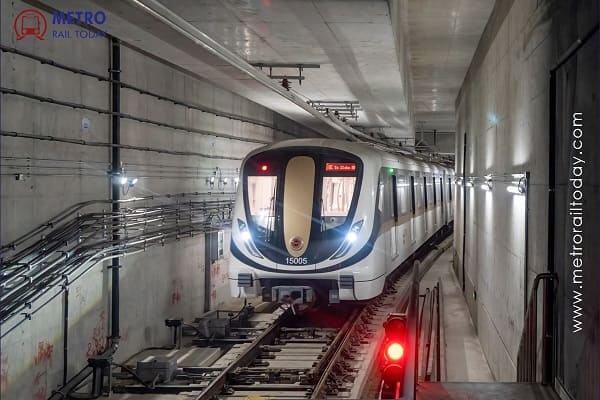
Patna, India (Metro Rail Today): The Patna Metro Rail Project is championing a pioneering approach to ensure the safety of buildings above its Moin Ul Haq Underground (UG) Metro Station. With a focus on safeguarding existing structures during tunneling operations, the Delhi Metro Rail Corporation (DMRC) is implementing advanced Instrumentation & Monitoring systems along with real-time monitoring mechanisms. This novel initiative emphasizes not only seamless commuting for passengers but also prioritizes the utmost safety of the public throughout the ongoing construction.
Setting a New Safety Standard
Acknowledging the significance of instilling confidence in nearby residents during the construction phase, the Patna Metro Project is embracing innovative measures. The comprehensive Instrumentation & Monitoring system, coupled with real-time oversight, acts as a vigilant guardian over the condition of buildings adjacent to the metro's route. This proactive approach redefines safety standards and marks a significant leap forward in the realm of urban infrastructure development.
Pioneering Technology: BEAM System
The Patna Metro Project introduces the Bore Tunneling Electrical Ahead Monitoring (BEAM) system for the first time in India. This groundbreaking technology revolutionizes real-time monitoring and prediction of Tunnel Boring Machine (TBM) excavations during tunneling operations. BEAM, a geophysical ground prediction technique, utilizes non-intrusive focused-electrical induced polarization to provide continuous insights while the TBM advances.
Comprehensive Monitoring Approach
The project adheres to an Instrumentation & Monitoring Plan meticulously designed for underground stations and tunnel alignment. This plan entails the installation of various instruments such as Inclinometer (INC), Strain-Gauge (SG), Inclinometer-cum-Extensometer (I/E), Vibrating Wire Piezometer (VPZ), Multi-Point Borehole Extensometer (MPBX), Convergence Point (CP), Ground Settlement Marker (GSM), Pavement Settlement Marker (PSM), Building Settlement Marker (BSM), Tilt Plate (TP), Crack Meters (CM), and 3D Bi-reflex Targets (BRT). These instruments are strategically positioned to monitor buildings within the alignment and ensure the integrity of their structures.
Unwavering Commitment to Safety
The ongoing tunneling work beneath the Moin Ul Haq underground metro station, particularly towards the Patna University tunnel stretch, underscores the project's meticulous approach to building safety. This attention to detail extends to the preservation of centuries-old buildings with historical significance. The city's rich heritage is preserved through Building Condition Surveys and continuous monitoring to prevent any settlement or damage as construction progresses.
Ensuring Preservation and Progress
Patna's status as one of the oldest cities is reflected in its historic architecture. The alignment encompasses numerous age-old structures of cultural importance. Each building's condition is meticulously assessed, and the ongoing monitoring reaffirms that the metro project is dedicated not only to advancing local transportation but also to preserving historical landmarks while prioritizing public safety.
Building Confidence through Innovation
By pioneering cutting-edge technology like the BEAM system and implementing a comprehensive monitoring strategy, the Patna Metro Project is fostering trust within the community. This initiative ensures that the transformational impact of the metro is accompanied by a steadfast commitment to building safety, guaranteeing the coexistence of progress and preservation.


Dr. Vinod Shah
Dr. Vinod Shah is an experienced urban transport journalist, blogger and key opinion leader.