


Trending Now
 MMRDA seeks ₹14,100 Crore Loan for two upcoming Mumbai Metro Corridors
 Jupiter Wagons Eyes ₹20,000-Crore Mumbai Suburban Mega Rolling Stock Tender
 Mumbai Metro Chief Ashwini Bhide appointed as First Woman BMC Commissioner
 TBM ‘Parvati’ completes Underground Tunnelling on Kanpur Metro Phase 1 Project
 Surat Metro begins First Trial Run on 8.5 km Diamond Corridor between Dream City and Althan Tenement
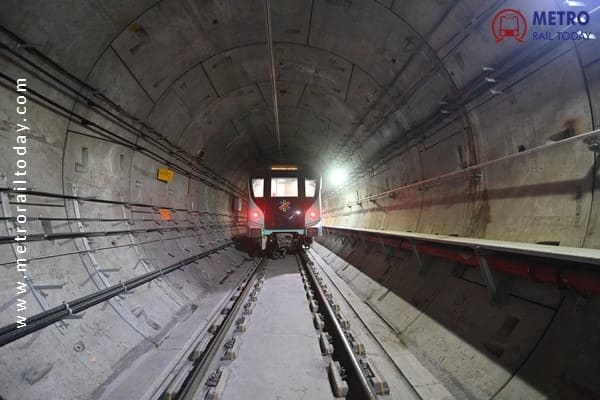 Cemindia wins ₹1,024 crore Civil Contract for Central Vista Tunnel Package of Delhi Metro Phase V
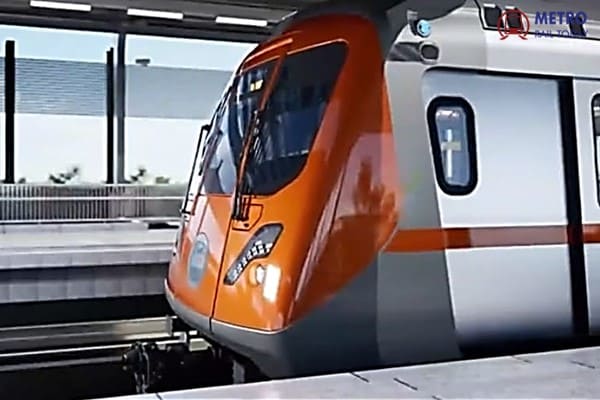 TBM ‘Durgavati’ begins tunneling works on Bhopal Metro Underground Stretch
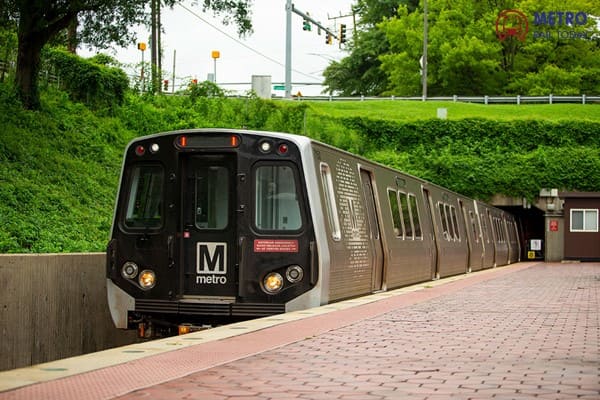 Washington Metro celebrates its Golden Jubilee—50 years of passenger service
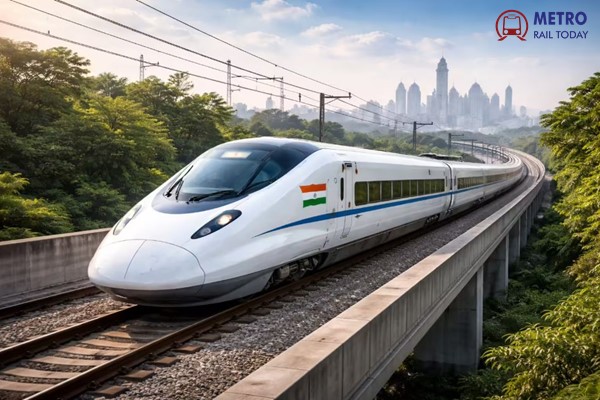 Two TBMs arrive in Mumbai for undersea tunneling on Mumbai-Ahmedabad Bullet Train Project
 Alstom awarded €915 million Rolling Stock Contract for Belgrade’s First Driverless Metro Line
Supreme Court's U-Turn Becomes A Turning Point for Delhi Metro Rail Corporation
Dr. Vinod Shah
Posted on: 2024-04-15 07:15:00
Viewer: 3,137
Comments: 0
Country: India
City:
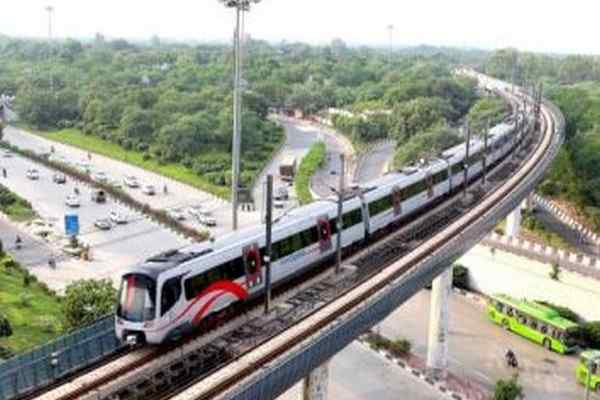
The recent ruling by the Supreme Court in favor of the Delhi Metro Rail Corporation (DMRC) via a curative petition has not only resolved a longstanding dispute but has also set a significant precedent in legal history. This decision holds profound implications, particularly in the context of public-private partnerships (PPPs) and investor confidence in infrastructure projects.
Background: DMRC vs. DAMEPL
The legal saga dates back to 2008 when DMRC entered into a PPP agreement with Delhi Airport Metro Express Private Limited (DAMEPL), a consortium led by Reliance Infrastructure Ltd, for the construction of the Delhi Airport Metro Express project. However, disputes emerged, leading to the termination of the agreement by DAMEPL in 2013.
Legal Battles and Arbitration
Subsequently, arbitration proceedings ensued, culminating in an arbitral award favoring DAMEPL in 2017, demanding DMRC to pay nearly ₹8,000 crore. DMRC contested this ruling in the Delhi High Court, which overturned the arbitral award in 2019. DAMEPL then escalated the matter to the Supreme Court, which in September 2021 reversed the High Court's decision, upholding the arbitral award.
The Curative Petition: A Game-Changer
However, in a recent judgment, the Supreme Court acknowledged a "fundamental error" in its previous ruling and ruled in favor of DMRC. This decision is monumental for several reasons.
Importance of Curative Petitions
Firstly, it underscores the significance of curative petitions in rectifying judicial errors. Curative petitions, though rarely utilized, serve as a crucial mechanism to correct grave injustices in legal judgments. The Supreme Court's decision to grant relief to DMRC through this process reflects the court's commitment to upholding justice.
Implications for PPPs and Infrastructure Projects
Secondly, the ruling has far-reaching implications for PPPs in infrastructure projects. PPPs are vital for infrastructure development, but disputes between public and private entities can impede progress. The Supreme Court's decision provides clarity on the legal framework governing PPPs and sets a precedent for resolving disputes in similar projects.
Boosting Investor Confidence
Lastly, the decision is poised to boost investor confidence. By exercising curative jurisdiction, the Supreme Court has demonstrated its willingness to rectify errors and ensure fairness, even years after a final verdict. This showcases the integrity and reliability of India's legal system, likely encouraging investment in infrastructure projects.
Enhancing Connectivity: The Evolution of Delhi Metro
Alongside the legal developments, the Delhi Metro system has undergone significant evolution and expansion, aiming to enhance connectivity and efficiency for millions of commuters.
Construction Challenges and Milestones
The construction of the Airport Express Line faced numerous challenges, including technical issues and delays. Despite initial setbacks, the line finally commenced operations in 2011, albeit with intermittent suspensions due to technical faults.
Continuous Improvement and Expansion
Over the years, the DMRC has undertaken measures to enhance the performance and efficiency of the Airport Express Line. Speed enhancements and infrastructure upgrades have been implemented to reduce travel time and improve passenger experience.
Future Prospects: Expansion and Integration
Furthermore, the extension of the Airport Express Line to the India International Convention and Expo Centre (IICC) in Dwarka Sector 25 signifies the ongoing efforts to integrate metro services with key commercial and event centers, catering to the diverse needs of commuters and visitors alike.
A Milestone in Legal and Infrastructural Development
In conclusion, the Supreme Court's decision to grant relief to DMRC via a curative petition marks a significant milestone in both legal and infrastructural realms. This landmark ruling not only rectifies past injustices but also sets a precedent for future PPPs and infrastructure projects, bolstering investor confidence and fostering the continued evolution of Delhi's metro network.


Dr. Vinod Shah
Dr. Vinod Shah is an experienced urban transport journalist, blogger and key opinion leader.