


Trending Now
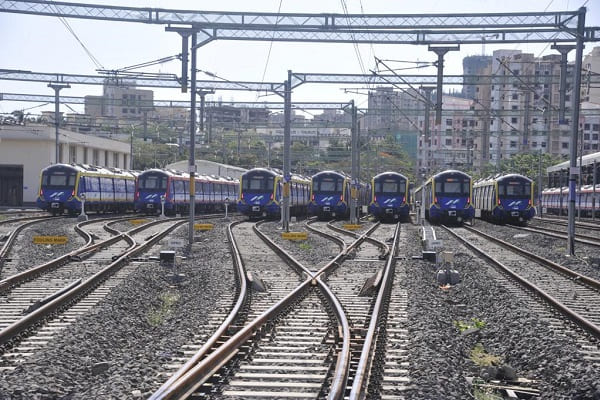 MMRDA issues Track Works Tender for Kasheli Depot of Mumbai Metro Line 5
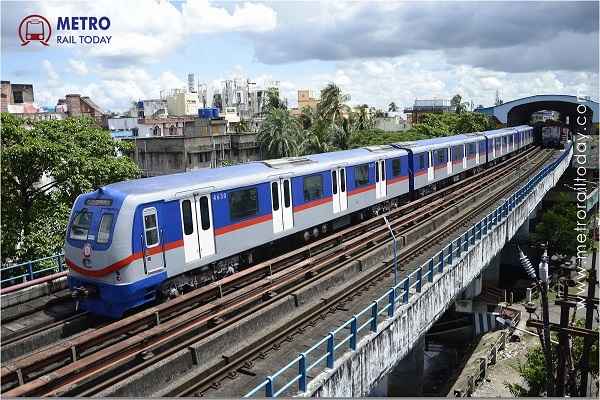 Indian Railways to procure 60 new Rolling Stock Trains for Kolkata Metro in five years
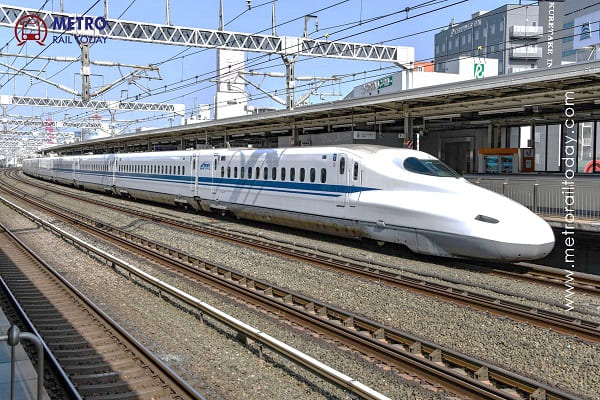 Kerala forms Expert Committee to evaluate Thiruvananthapuram–Kannur High-Speed Rail Corridor
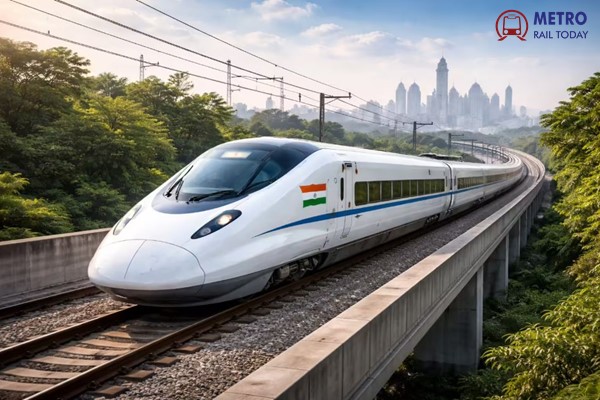 Mumbai–Ahmedabad Bullet Train Project achieves third Mountain Tunnel Breakthrough in Maharashtra
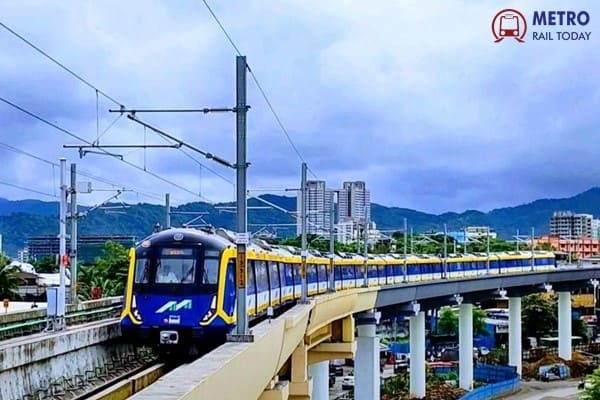 MMRDA invites bids for ₹4,882 Crore Rolling Stock & Systems Contract for Mumbai Metro Line 12
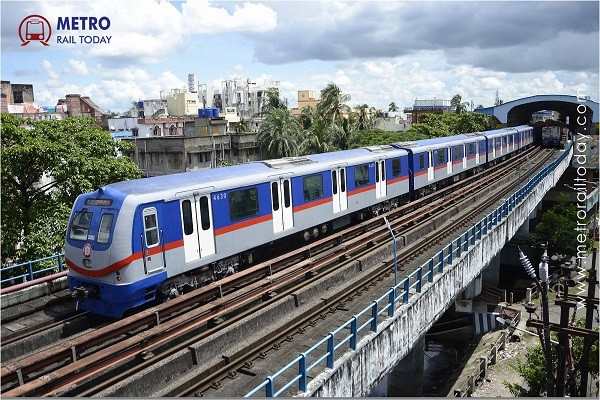 Kolkata Metro completes Aluminium Third Rail Upgrade on Blue Line
- Metroman E. Sreedharan submits new Blueprint for ₹54,000 Crore Kerala High Speed Rail Corridor
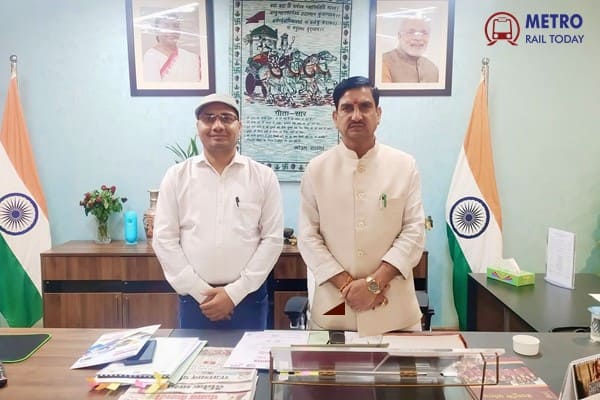 Union Housing & Urban Affairs Minister Tokhan Sahu to inaugurate 6th RailTrans Expo 2026
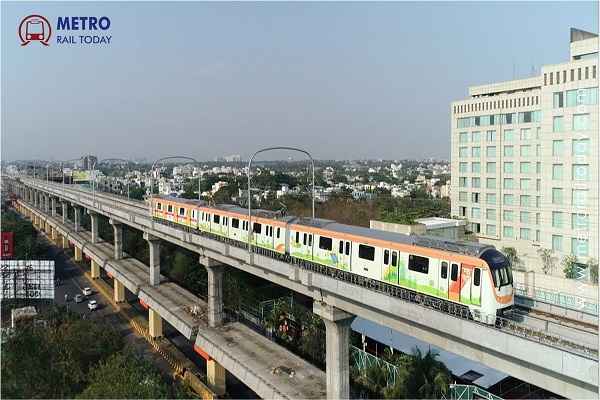 Maha Metro plans Six-Coach Trains ahead of Pune Metro Line 3 Launch
 Railway Ministry approves launch of India’s First Hydrogen-Powered Train on Jind–Sonipat Route
Cemindia wins ₹1,024 crore Civil Contract for Central Vista Tunnel Package of Delhi Metro Phase V
MRT Online Desk
Posted on: 2026-03-30 16:12:00
Viewer: 3,040
Comments: 0
Country: India
City: New Delhi
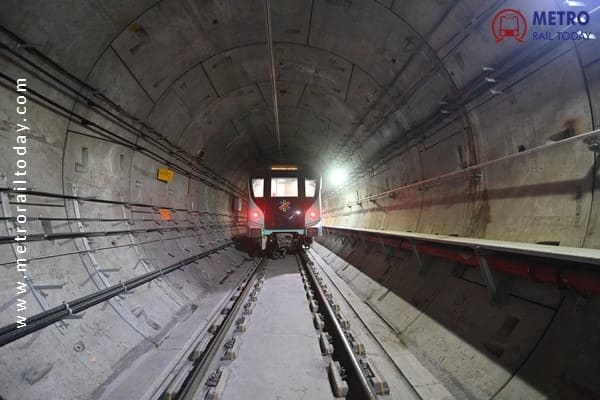
New Delhi, India (Metro Rail Today): In a significant development for Delhi Metro’s ambitious Phase-V expansion, Cemindia Projects Limited has emerged as the lowest bidder (L1) for the twin tunnel construction package between Shivaji Stadium and Central Secretariat under the prestigious Central Vista Corridor.
The project, floated by the Delhi Metro Rail Corporation (DMRC), has an estimated cost of ₹1,281 crore, with Cemindia quoting ₹1,024.80 crore, marking a competitive 20% lower bid. The tender witnessed strong participation from leading infrastructure players, including Larsen & Toubro, Sam India Builtwell, and J. Kumar Infraprojects, underlining the high industry interest in complex urban tunnelling works.
List of contendes and their financial positions are as under:-
- L1 – Cemindia Projects Ltd.: ₹1024.80 Cr (-20.00%)
- L2 – Larsen & Toubro Ltd.: ₹1101.66 Cr (-14.00%)
- L3 – Sam India Builtwell Pvt. Ltd.: ₹1155.07 Cr (-9.83%)
- L4 – J. Kumar Infraprojects Ltd.: ₹1204.00 Cr (-6.01%)
Strategic Underground Link in the Heart of Delhi
The awarded package involves the construction of twin tunnels using Tunnel Boring Machines (TBMs), along with associated entry/exit structures and subways, forming a critical section of the Central Vista Corridor. This corridor is a flagship component of the Delhi Metro Phase-V(A) network expansion.
Spanning 9.91 kilometres entirely underground, the corridor will connect RK Ashram Marg to Indraprastha, providing seamless metro access to the redeveloped Central Vista and key administrative zones of the national capital.
Commenting on the development, Mrs. Mamta Shah, MD & CEO, Urban Infra Group, said, “The strong participation and competitive bidding for such a technically demanding project reflect the growing maturity of India’s infrastructure sector. Underground metro corridors in dense urban zones like Central Vista require advanced engineering capabilities and precision execution.”
Enhancing Connectivity to Central Vista
Once operational, the corridor is expected to serve around 60,000 government employees and nearly two lakh daily visitors, significantly reducing dependence on road-based transport in one of Delhi’s most sensitive and high-traffic zones.
The route will feature nine strategically located stations, including key interchanges at Central Secretariat (Yellow and Violet Lines) and Indraprastha (Blue Line). It will also provide direct access to prominent landmarks such as India Gate, Kartavya Bhawan, Bharat Mandapam, and the Delhi High Court, reinforcing its importance as a high-impact urban mobility project.
The corridor will function as an extension of the Magenta Line (Line 8), which is already part of Delhi Metro’s driverless network. Upon completion, the Magenta Line is expected to become the longest corridor in the Delhi Metro system, spanning approximately 89 kilometres.
Boost to Sustainable and Smart Mobility
Designed in line with modern urban mobility principles, the Central Vista Corridor aims to reduce congestion, lower emissions, and promote public transport usage in central Delhi. The project aligns with the government’s broader vision of sustainable, efficient, and technology-driven urban infrastructure.
The Central Vista Corridor, part of the ₹12,015 crore Phase-V(A) package, has received approvals from both the Union and Delhi governments, with completion targeted by 2028. As work progresses on key packages like this tunnel section, the project is set to redefine connectivity in the national capital’s core.
With Cemindia emerging as L1, the project moves a step closer to execution, marking another milestone in Delhi Metro’s continued expansion and its role as a backbone of the city’s urban transport network.


MRT Online Desk
Metro Rail Today is an authentic and global news provider for the Rail & Metro industry from and around the world.