

Trending Now
 Paras Railtech wins ₹84.72 crore Ballastless Track Contract for Jaipur Metro Rail Project
 Indian Railways announces 3,548 Graduate-Level Vacancies under NTPC Recruitment 2026
 European Union sanctions €10 million to support extension of Hanoi Metro Line 3
 GMRC issues ₹683 crore Tender for construction of 8.68 km stretch for Ahmedabad Metro
- GMRC launches ₹439 crore Tender for construction of 5 New Ahmedabad Metro Stations
 Global tender issued for procurement of 60 Rolling Stock coaches for Hyderabad Metro Rail Project
 Global tender issued for procurement of 102 Rolling Stock coaches for Patna Metro Rail Project
 Gamuda awarded RM3.7 billion contract to build Keelung Mass Rapid Transit in Taiwan
 Maharashtra forms special Task Force to plan Rail, Metro and RRTS expansion
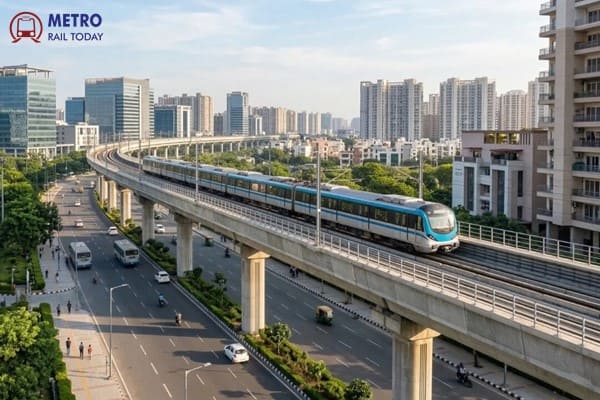 Govt. of India approves ₹12,200 crore, 29-km Thane Integral Ring Metro project in Maharashtra
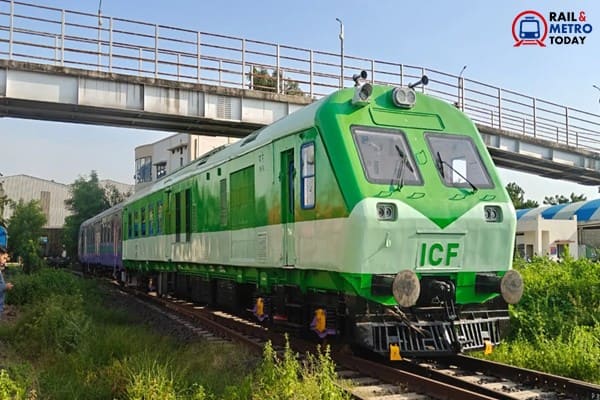
Railway Ministry approves launch of India’s First Hydrogen-Powered Train on Jind–Sonipat Route
MRT Online Desk
Posted on: 2026-05-22 07:23:00
Viewer: 2,215
Comments: 0
Country: India
City: New Delhi
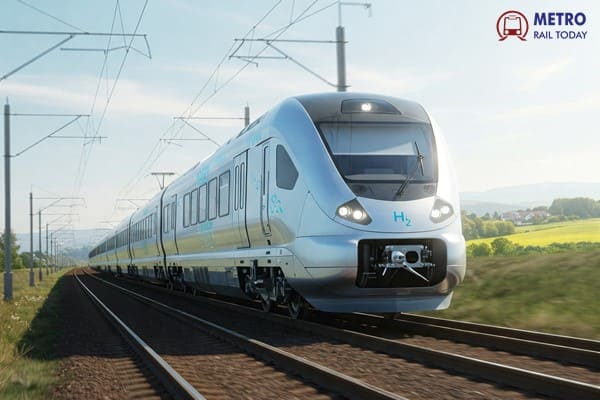
New Delhi, India (Metro Rail Today): Indian Railways is preparing to launch India’s first hydrogen fuel cell-powered train service on the Jind–Sonipat section of Northern Railway, marking a major milestone in the country’s transition towards clean and sustainable transportation. The Ministry of Railways has approved the introduction of a 10-coach hydrogen-powered trainset following successful technical clearance by the Research Designs and Standards Organisation (RDSO) and safety certification by the Commissioner of Railway Safety (CRS).

MRT Online Desk
Metro Rail Today is an authentic and global news provider for the Rail & Metro industry from and around the world.