


Trending Now
 Union Housing & Urban Affairs Minister Tokhan Sahu to inaugurate 6th RailTrans Expo 2026
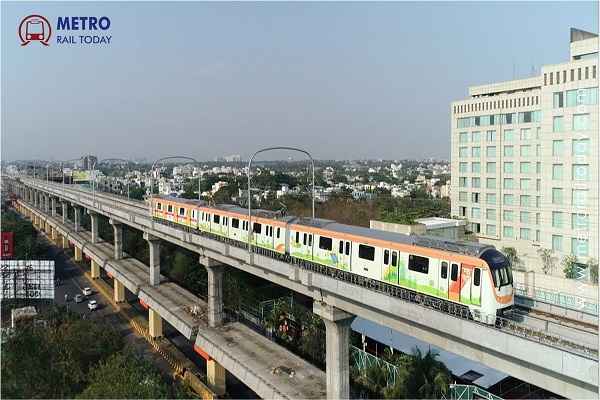 Maha Metro plans Six-Coach Trains ahead of Pune Metro Line 3 Launch
 Railway Ministry approves launch of India’s First Hydrogen-Powered Train on Jind–Sonipat Route
 Kineco Global Rail secures Interior Contract for new 100 Vande Bharat Sleeper Trains
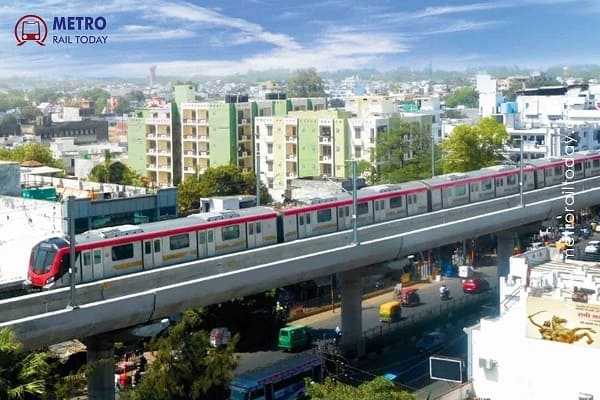 Ranjit Buildcon Wins ₹383.98 Crore Civil Contract for Lucknow Metro Phase 1B
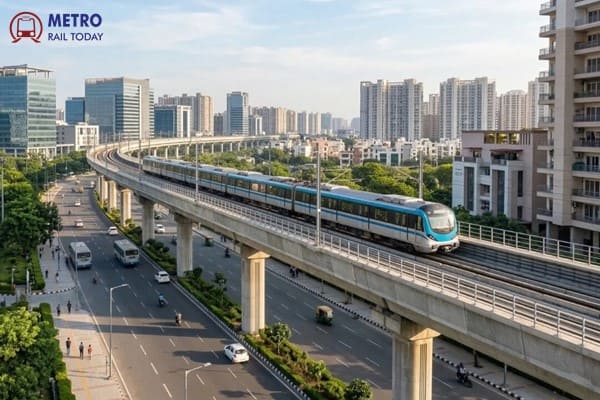 Tamil Nadu seeks Central Support for new Metro Rail Projects in Coimbatore, Hosur and Madurai
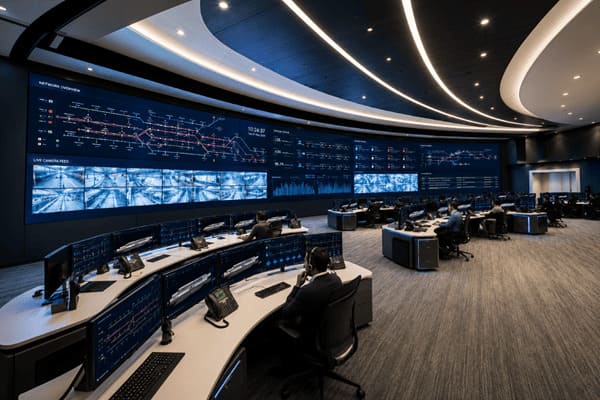 Future Metro Control Centres: ST Engineering Transforms Command Rooms to Intelligent Nerve Centres
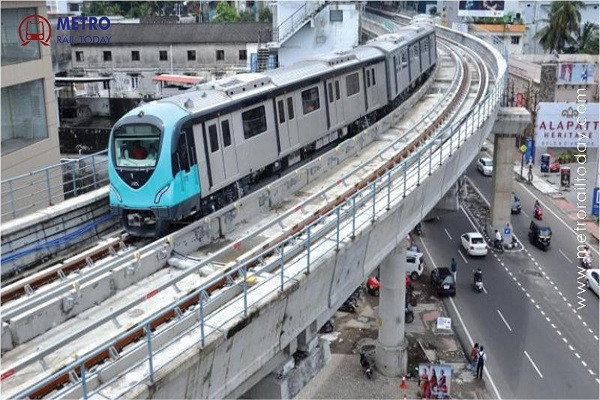 Kochi Metro unveils Visionary Design for Phase II Pink Line Metro Stations
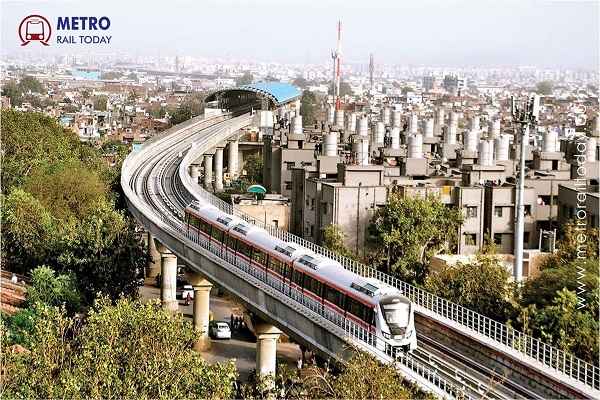 Design Consultancy Tenders floated for Ahmedabad Metro Phase 3 Elevated Corridors
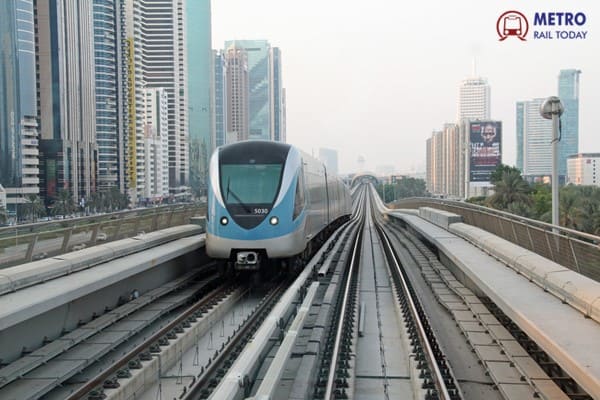 Global Metro Rail Infrastructure Market projected to reach US$ 78.3 billion by 2033
Maha Metro plans Six-Coach Trains ahead of Pune Metro Line 3 Launch
MRT Online Desk
Posted on: 2026-05-22 08:23:00
Viewer: 49
Comments: 0
Country: India
City: New Delhi
Pune, India (Metro Rail Today): Pune Metro is preparing for a significant increase in passenger traffic by introducing six-coach trainsets on its operational corridors, as the much-awaited Hinjewadi–Shivajinagar Metro Line-3 nears commissioning. The move is aimed at accommodating an anticipated 50% rise in ridership once the new corridor becomes operational and integrates with the existing metro network.
The Pune Metro currently operates two corridors: Line-1 from PCMC to Swargate and Line-2 from Vanaz to Ramwadi, which were commissioned in phases between March 2022 and September 2024. Together, the two lines span approximately 33.28 km, with the majority of the alignment elevated and around 5 km running underground through the city centre.
The upcoming 23-km Line-3 corridor from Maan-Hinjewadi to Shivajinagar is expected to transform mobility in Pune by connecting the Rajiv Gandhi Infotech Park—one of India’s largest IT hubs—with the city’s core transit network. Once operational, passengers will be able to seamlessly interchange with Lines 1 and 2, significantly expanding the reach of the metro system.
According to Maharashtra Metro Rail Corporation Limited (Maha-Metro), daily ridership on Lines 1 and 2 reached an average of 1.87 lakh passengers in March 2026. With the opening of Line-3, the agency expects this figure to rise sharply to between 2.75 lakh and 3 lakh passengers per day, necessitating a substantial increase in carrying capacity.
Speaking on the development, Shravan Hardikar, Managing Director, Maha-Metro, said:
“The total average ridership on Line 1 and Line 2 is expected to reach 2,75,000 to three lakh per day after the start of Line 3. Thus, it is going to be necessary to increase the capacity of trains to carry more passengers, so we will start procuring six-coach trains.”
The transition to six-coach train operations marks a major milestone for Pune Metro, which has operated exclusively with three-coach trainsets since the start of services four years ago. The upgraded train formations will significantly increase passenger capacity, reduce overcrowding during peak hours, and improve overall commuter experience.
At present, the metro operates 18 three-coach trains on the Vanaz–Ramwadi east-west corridor and 16 three-coach trains on the PCMC–Swargate north-south corridor. To meet future demand, Maha-Metro has also identified the need to expand its fleet, with plans to add 15 additional trains on the east-west corridor and 12 additional trains on the north-south corridor.
The introduction of longer trains will also require supporting infrastructure upgrades. Maha-Metro plans to expand its existing depots at Vanaz and Range Hills to accommodate six-coach trainsets and support increased maintenance activities.
The capacity enhancement strategy comes at a time when Pune Metro is simultaneously advancing several network expansion projects. Construction has already begun on the 4.4-km PCMC–Nigdi extension and the 5.46-km Swargate–Katraj extension on Line-1. On Line-2, extensions from Vanaz to Chandni Chowk (1.12 km) and Ramwadi to Wagholi (11.63 km) are also underway.
In addition, work is expected to commence soon on the proposed Line-4 corridor, a major 31.64-km route connecting Khadakwasla and Kharadi via Swargate and Hadapsar, along with a branch linking SNDT to Manikbaug. The corridor is expected to play a crucial role in expanding metro connectivity to fast-growing residential and commercial zones across Pune.
Urban transport experts believe the launch of Line-3 and the adoption of six-coach trains will position Pune Metro among India’s most rapidly growing metro systems, supporting the city’s increasing mobility needs while reducing traffic congestion and dependence on private vehicles.
Commenting on the development, Mrs. Mamta Shah, MD & CEO, Urban Infra Group, said:
“Pune Metro is entering a new phase of growth with the upcoming integration of Line-3 and the planned introduction of six-coach trains. Expanding capacity ahead of demand is a forward-looking approach that will enhance commuter convenience, improve operational efficiency, and support Pune’s emergence as a modern, transit-oriented city. Such investments are essential for building sustainable and future-ready urban mobility systems.”
With multiple corridors under development and ridership continuing to rise, Pune Metro is steadily evolving into a comprehensive mass transit network capable of supporting the city’s long-term urban growth and economic expansion.

MRT Online Desk
Metro Rail Today is an authentic and global news provider for the Rail & Metro industry from and around the world.