


Trending Now
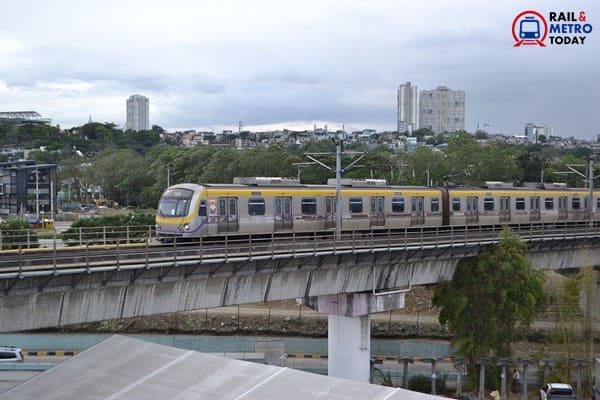 The Not-So-Far South: Metro Manila LRT-1 Cavite Extension Timeline
 Bangladesh signs four major contracts for Depot and Civil Works on Dhaka Metro Lines 1 and 5
 SYSTRA MVA wins DPR Contract for Chennai Metro's Kilambakkam–Chengalpattu Corridor
 BBG Infrastructure wins ₹137.93 crore civil contract for Delhi Metro Phase 4 Project
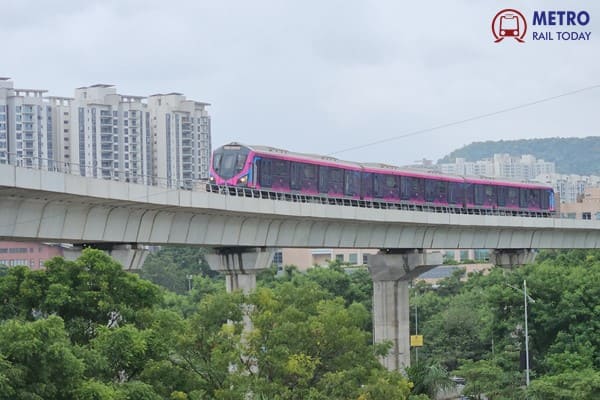 PM Narendra Modi inaugurates Pune Metro Line 3, Launches Phase-II Projects worth ₹13,500 Crore
 Parsons-Led JV selected Project Management Consultant for Riyadh Metro Red Line Extension
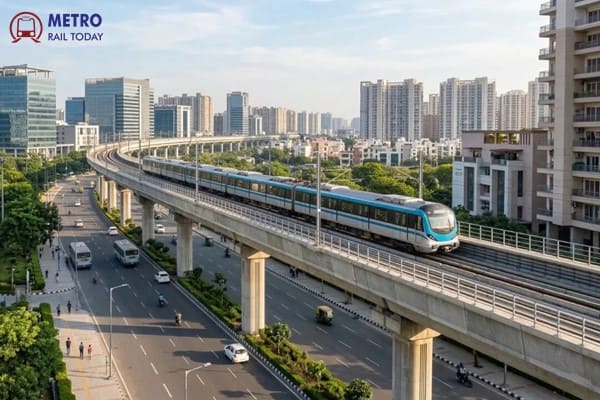 Vietnam signs turnkey contracts for Hanoi Metro's five driverless lines spanning 253.5 km
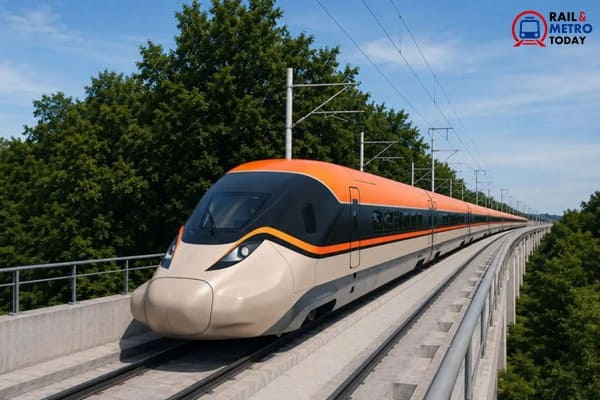 India’s First indigenous Bullet Trainset B28 takes shape at BEML’s Bengaluru Facility
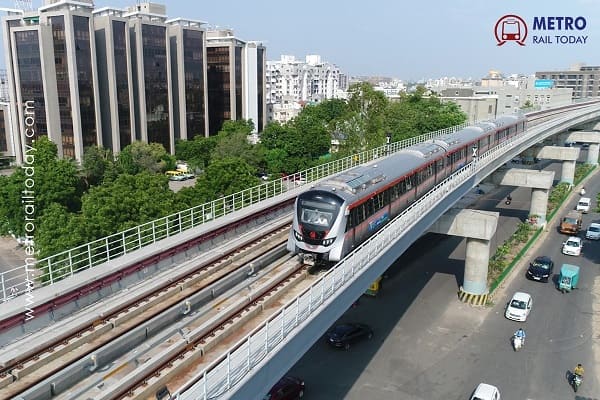 GMRC invites bids for ₹197.14 crore Ahmedabad Metro Gyaspur Depot Development Project
 Govt of India approves 1500-km Delhi–Guwahati Northern Bullet Train Corridor
The Not-So-Far South: Metro Manila LRT-1 Cavite Extension Timeline
MRT Online Desk
Posted on: 2026-11-06 07:00:00
Viewer: 94
Comments: 0
Country: Philippines
City:
For many commuters living in southern Metro Manila and nearby Cavite, getting to the heart of the capital means spending a considerable amount of time on the road. Buses, jeepneys, and UV Express vehicles remain the primary transportation options for many residents, especially those traveling toward Makati, Manila, and other major business districts.
The LRT-1 Cavite Extension aims to change that by bringing railway access closer to communities in Las Piñas and Bacoor. Although its first phase is already operational, the remaining sections have faced several delays involving land acquisition and construction requirements.
With the government making new commitments in 2026, commuters have reason to watch the project's progress, but much like resorting to a PHBingo APK, be careful with where you get your updates from. Be careful not to get your news mixed up.
Here is what we know about its remaining stations, expected timeline, and potential benefits.
Three More Stations Will Bring LRT-1 Closer to Cavite
The LRT-1 Cavite Extension is an 11.7-kilometer expansion that will connect the existing railway to southern Metro Manila and Cavite. Its first phase opened on November 16, 2024, adding five stations between Baclaran and Dr. Santos in Parañaque.
The remaining sections will add three more stations:
-
Las Piñas Station: Located along the Las Piñas section of the extension.
-
Zapote Station: Expected to serve commuters traveling between Las Piñas and Bacoor.
-
Niog Station: The planned final stop in Bacoor, Cavite.
The project has encountered delays involving right-of-way acquisition, particularly around the Las Piñas Station alignment. However, the government made progress in September 2026 when the Light Rail Transit Authority (LRTA) and Villar Group signed an agreement covering seven properties needed for the station.
The agreement is expected to help clear access issues and move the remaining construction forward. The Department of Transportation also committed to accelerating the project, although the exact opening dates for the three stations remain uncertain.
According to the Philippine Information Agency, the remaining extension could be completed between 2028 and 2031. Commuters should therefore treat earlier construction commitments as targets rather than confirmed service-opening dates.
How the Extension Could Improve Southern Commuting
The biggest advantage of extending the LRT-1 is the additional transportation option it provides to people living in the south.
Residents of Las Piñas and Bacoor often depend on buses, jeepneys, and UV Express vehicles to reach major destinations in Metro Manila. Although these services remain important, road congestion along routes such as Alabang-Zapote Road and the coastal highway can make daily travel unpredictable.
A railway connection gives commuters another way to reach the capital without depending entirely on road traffic. Passengers from Bacoor and Las Piñas could eventually board at their local stations and travel toward established destinations along the LRT-1 corridor, including PITX, Pasay, Manila, and Quezon City.
The government expects the completed extension to accommodate an additional 300,000 passengers daily. It also projects that travel between Baclaran and Bacoor could fall from approximately 70 minutes to just 25 minutes by rail.
The benefits extend beyond shorter journeys. More accessible railway stations could improve connections to workplaces, schools, hospitals, and commercial areas. The Niog Station Intermodal Facility is also expected to help passengers transfer between different transportation services.
For commuters, reliable information is equally important. Checking station advisories and service schedules before leaving home can help avoid unnecessary waiting.
The LRT-1 Cavite Extension still has construction hurdles to overcome, but its completion could make a meaningful difference to people traveling between southern communities and Metro Manila. For residents who have spent years relying on busy roads, having another dependable transportation option is worth looking forward to.


MRT Online Desk
Metro Rail Today is an authentic and global news provider for the Rail & Metro industry from and around the world.