

Trending Now
 Exclusive Interview with Suraj Pandey, Managing Director, ACME India Industries Ltd
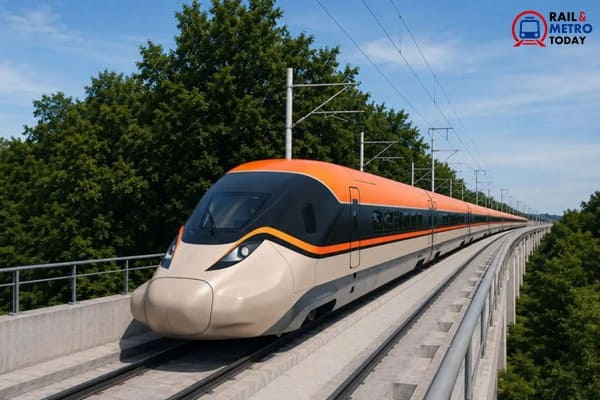 OHE System Energised on Surat–Bilimora Section of Mumbai–Ahmedabad Bullet Train Project
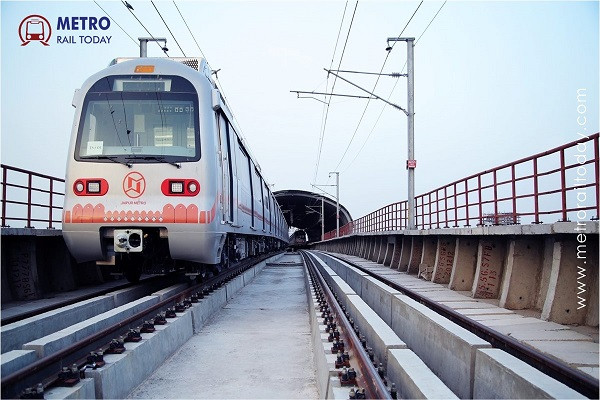 Seven Bidders Qualify for Elevated Viaduct and 12 Stations Contract of Jaipur Metro Phase 2
 STUP Consultants–Assystem JV wins ₹14.20 crore Design Consultancy for Ahmedabad Metro
 Three Global Firms bid for General Consultancy Contract of Lucknow Metro Phase 1B Project
 ETA Engg - PISCESIA JV awarded ₹225.87 crore E&M Contract for Delhi Metro Phase 5A Project
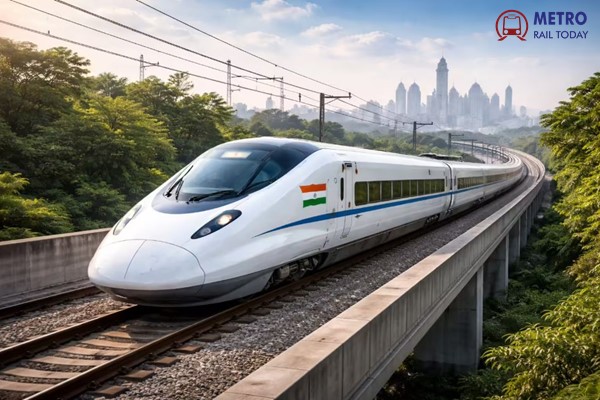 Mumbai–Ahmedabad Bullet Train cost rises to ₹2.03 Lakh crore; ₹92,761 crore spent by March 2026
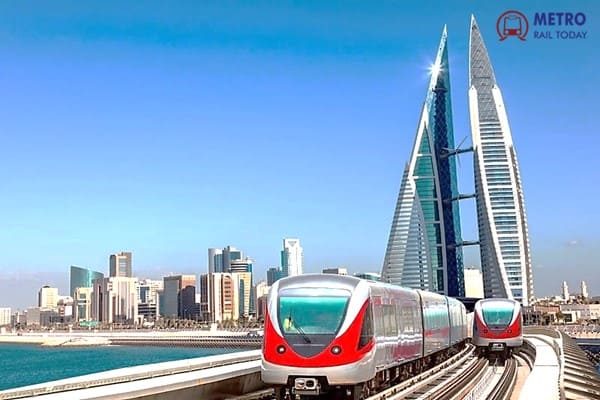 Global Rail & Metro Infrastructure Market to Reach USD 462.13 Billion by 2033
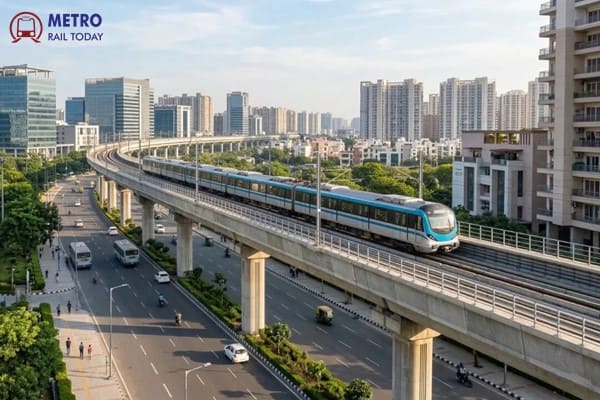 Malaysia awards RM2.69 billion contract for Penang Mutiara Line’s Cross-Sea LRT Extension
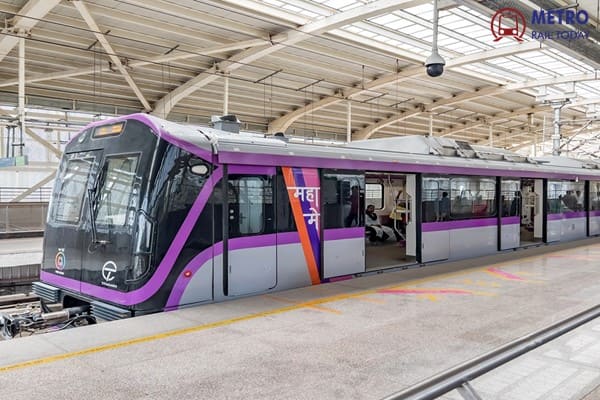 Afcons Infrastructure wins ₹876.51 crore contract for Pune Metro Viaduct and Elevated Road Project
OHE System Energised on Surat–Bilimora Section of Mumbai–Ahmedabad Bullet Train Project
MRT Online Desk
Posted on: 2026-11-20 16:56:00
Viewer: 56
Comments: 0
Country: India
City: New Delhi
New Delhi, India (Rail & Metro Today): India's first Mumbai–Ahmedabad Bullet Train project has achieved another major milestone with the successful energisation of the Overhead Equipment (OHE) system on the Surat–Bilimora section on November 20, 2026. The development marks an important step towards the commencement of further testing activities on this section of the 508-km high-speed rail corridor.
The energisation covers both Up and Down lines along the elevated alignment. The process will be undertaken progressively in smaller sections under the close supervision of technical teams to ensure compliance with prescribed safety procedures.
The Surat–Bilimora section extends approximately 50 km between the two stations and represents a significant advancement in the development of the corridor's traction power infrastructure.
Advanced 2×25 kV Overhead Traction System
The Mumbai–Ahmedabad High-Speed Rail corridor is equipped with an advanced 2×25 kV overhead traction system, a technology used in high-speed railway networks to support the power requirements of trains operating at high speeds.
The electrification network includes 14 strategically located Traction Substations (TSS) along the 508-km corridor. These substations will receive electricity from the national grid and supply power to the overhead traction system.
The electrical network will be monitored through a centralised control centre to support safe, reliable and efficient power supply across the high-speed rail corridor.
Bilimora Traction Substation Completes Key Installation Works
The first Traction Substation at Bilimora, located in Gujarat's Navsari district, has completed installation works in its Control Panel, Changeover Switch, Transformer and Circuit Breaker buildings.
The Gujarat traction substations will receive power from the 220 kV Ambetha Grid Substation operated by Gujarat Energy Transmission Corporation Limited (GETCO).
The establishment of traction substations and the energisation of overhead equipment are essential steps towards preparing the corridor's electrical infrastructure for subsequent testing and commissioning activities.
Surat–Bilimora Section Features Major Civil Engineering Structures
The approximately 50-km Surat–Bilimora elevated alignment incorporates several significant civil engineering structures, including bridges across four rivers and a steel bridge over National Highway 53 (NH-53).
The viaduct is also equipped with approximately 94,000 noise barriers designed to minimise the impact of railway operations on surrounding areas.
Another Step Towards India's First Bullet Train Operations
The successful energisation of the OHE system marks an important advancement in the Mumbai–Ahmedabad Bullet Train project. With the traction power infrastructure progressively becoming operational, the project is moving towards further testing activities on the Surat–Bilimora section.
The milestone highlights the progress being made in developing specialised electrification infrastructure for India's first high-speed railway corridor. Subsequent testing and commissioning activities will be important in preparing the section for future high-speed train operations.

MRT Online Desk
Metro Rail Today is an authentic and global news provider for the Rail & Metro industry from and around the world.