

Trending Now
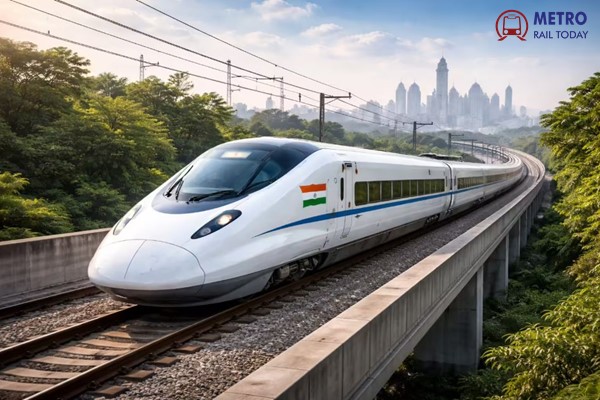 Mumbai–Ahmedabad Bullet Train cost rises to ₹2.03 Lakh crore; ₹92,761 crore spent by March 2026
 Global Rail & Metro Infrastructure Market to Reach USD 462.13 Billion by 2033
 Malaysia awards RM2.69 billion contract for Penang Mutiara Line’s Cross-Sea LRT Extension
 Afcons Infrastructure wins ₹876.51 crore contract for Pune Metro Viaduct and Elevated Road Project
 SYSTRA–led JV wins ₹228.78 crore Design Consultancy Contract for two 350 kmph Bullet Train Corridors
 Paras Railtech wins ₹84.72 crore Ballastless Track Contract for Jaipur Metro Phase 1C Project
 SYSTRA India wins DPR Consultancy Contract for Chennai Metro Phase II Corridor 5 Extension
 BEML plans manufacturing of Tunnel-Boring Machines for upcoming Rail & Infra projects in India
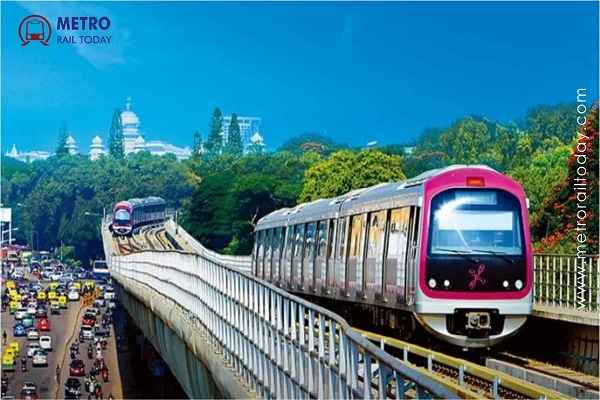 PM Narendra Modi inaugurates 7.5-km elevated stretch of Bangalore Metro Pink Line
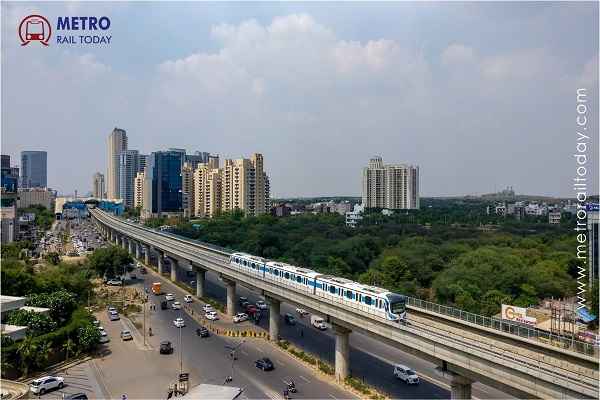 Dilip Buildcon wins ₹419.47 crore Civil Contract for Gurugram Metro Depot and Workshop Project
Mumbai–Ahmedabad Bullet Train cost rises to ₹2.03 Lakh crore; ₹92,761 crore spent by March 2026
MRT Online Desk
Posted on: 2026-11-18 07:26:00
Viewer: 213
Comments: 0
Country: India
City: New Delhi
New Delhi, India (Rail & Metro Today): The estimated cost of India's ambitious Mumbai–Ahmedabad High-Speed Rail (MAHSR) project has increased to approximately ₹2.03 lakh crore, nearly double its original estimate of ₹1.08 lakh crore, while cumulative expenditure reached ₹92,761 crore as of March 2026. The figures have been disclosed by the National High Speed Rail Corporation Limited (NHSRCL) in response to a Right to Information (RTI) application.
Popularly known as the bullet train project, the 508-km corridor connects Mumbai and Ahmedabad, passing through Maharashtra, Gujarat and the Union Territory of Dadra and Nagar Haveli. Originally targeted for completion in 2023, the project has experienced substantial delays due to various challenges, including land acquisition and compensation-related issues.
The revised cost represents an increase of nearly ₹94,800 crore over the original estimate, highlighting the financial implications of the extended implementation period and evolving project requirements.
Completion Timeline Yet to Be Finalised
Responding to a question on the revised completion schedule, NHSRCL stated that the project was originally planned for completion by 2023. However, a definitive revised timeline has not yet been established.
According to the RTI response, the anticipated completion date can be ascertained after the award of all contract packages. This indicates that the overall project schedule remains dependent on the completion of pending procurement and contractual processes.
The disclosure comes as work continues across different sections of the corridor, involving complex civil engineering structures, tunnels, bridges, stations and specialised railway systems.
Indigenous Trainsets to Replace Original Shinkansen Plan
The RTI response has also provided clarification on an important change in the project's rolling stock strategy.
NHSRCL stated that the original plan was to commence operations using Japanese Shinkansen rolling stock. However, the decision has since been taken to begin operations using an indigenously developed trainset.
The first indigenous trainset is being manufactured by BEML Ltd. Its dispatch is planned for February 2027, with subsequent trainsets scheduled to follow.
The shift towards domestically developed rolling stock represents a significant change in the original project approach and aligns with India's broader efforts to strengthen indigenous railway manufacturing and technology capabilities.
Details of India–Japan Discussions Withheld
The RTI applicant also sought copies of correspondence between the governments of India and Japan concerning reported differences over the procurement of signalling systems.
NHSRCL declined to disclose these documents, stating that their sharing is restricted under a Non-Disclosure Agreement between the two governments.
Similarly, the corporation refused to provide records concerning whether the Japanese government had approved or objected to the use of India-manufactured trainsets. The response cited Section 8(1)(f) of the RTI Act, which provides an exemption for information received in confidence from a foreign government.
Consequently, the RTI response does not establish the precise nature of any reported disagreements between the two countries over signalling technology or rolling stock procurement.
A Major Test for India's High-Speed Rail Ambitions
The Mumbai–Ahmedabad corridor is India's first high-speed rail project and a landmark initiative in the country's modern railway development programme. Its implementation involves technology transfer, international collaboration and the development of domestic capabilities in advanced railway engineering.
The increase in estimated project cost, delays in completion and transition towards indigenous trainsets highlight the technical, financial and institutional challenges involved in establishing a high-speed rail ecosystem.
With ₹92,761 crore already spent and the revised estimated cost reaching ₹2.03 lakh crore, the project's next phase will be crucial in determining its delivery schedule and operational readiness. The planned February 2027 dispatch of the first BEML-built trainset will be another important milestone as India moves towards introducing its first bullet train services.

MRT Online Desk
Metro Rail Today is an authentic and global news provider for the Rail & Metro industry from and around the world.