

Trending Now
 GMRC invites bids for ₹197.14 crore Ahmedabad Metro Gyaspur Depot Development Project
 Govt of India approves 1500-km Delhi–Guwahati Northern Bullet Train Corridor
 Railway Board grants conditional clearance to RCF-Built Vande Bharat Trainset with Alstom Propulsion
 Two Consortia Bid for General Consultancy Contract for Hyderabad Metro Phase 2 Project
 RNS Infra–Gayatri Projects JV awarded ₹342 crore Civil Contract for Bengaluru Suburban Rail Project
 PM Modi to inaugurate Pune Metro's Hinjewadi–Shivajinagar Metro Corridor on November 3
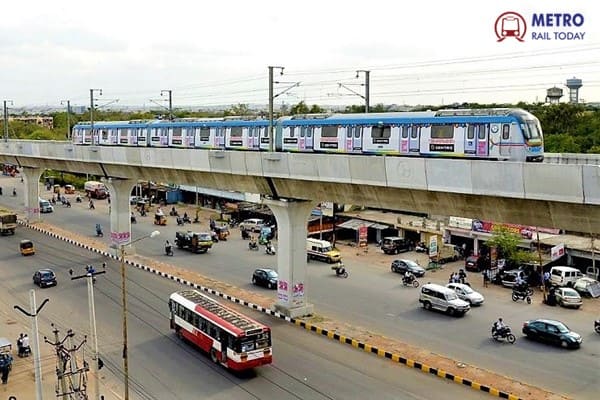 Govt of India approves ₹24,269 crore Hyderabad Metro Phase 2 Project with five new corridors
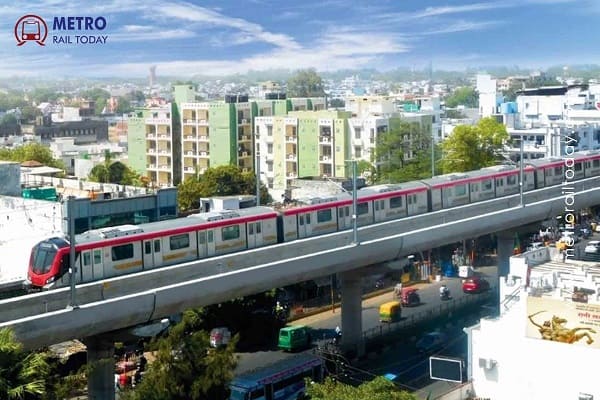 Sterling and Wilson wins ₹313.88 crore Traction Power and SCADA Contract for Lucknow Metro Phase 1B
- Adani Group's Cemindia Projects awarded ₹665.61 crore Contract for Bengaluru Suburban Rail Project
- Afcons Infrastructure bags ₹1,383 crore Contract for Lucknow Metro Phase 1B Underground Corridor
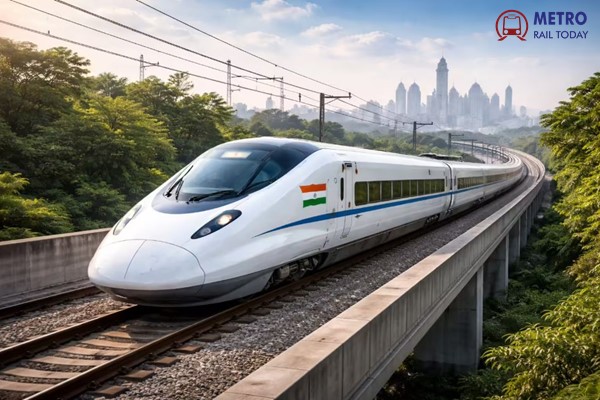
Govt of India approves 1500-km Delhi–Guwahati Northern Bullet Train Corridor
MRT Online Desk
Posted on: 2026-11-02 06:10:00
Viewer: 118
Comments: 0
Country: India
City: New Delhi
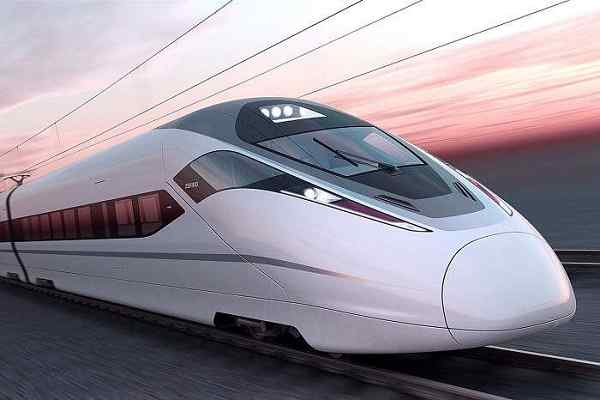
New Delhi, India (Rail & Metro Today): India’s ambitious high-speed rail programme is set to expand towards the eastern and northeastern regions, with Railway Minister Ashwini Vaishnaw announcing the approval of the proposed North Bullet Train Corridor connecting Delhi with Guwahati. The proposed route is expected to strengthen connectivity across several major cities, including Agra, Kanpur, Lucknow, Varanasi, Patna and Siliguri.
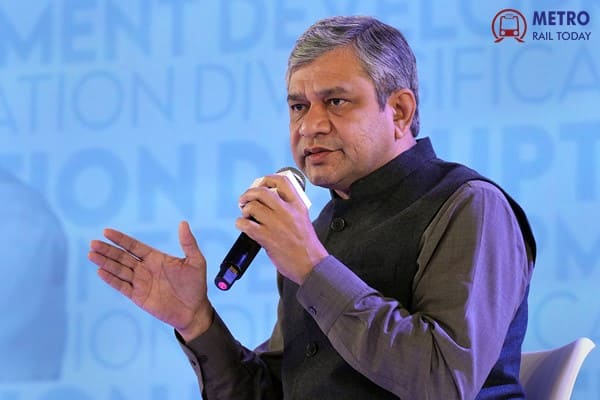
Speaking at the launch of India’s second Vande Bharat Sleeper train on the Varanasi–New Delhi route, Vaishnaw said the government was working to expand the country’s high-speed rail network and make bullet train travel accessible to a wider section of society.
The minister emphasised that bullet train services would not be restricted to affluent passengers. According to him, fares would be lower than airfares, making high-speed rail a more affordable travel option for middle-class and economically weaker sections.
Proposed Route to Connect Major Cities
The proposed North Bullet Train Corridor is expected to provide high-speed connectivity between Delhi and Guwahati, with important stops across northern and eastern India. The cities identified in the announcement include Agra, Kanpur, Lucknow, Varanasi, Patna and Siliguri.
Vaishnaw also outlined indicative journey times between key destinations. The proposed Delhi–Agra journey could take approximately 59 minutes, while Delhi–Kanpur travel is expected to take around one hour and 45 minutes. The journey from Delhi to Lucknow could be reduced to approximately two hours and 12 minutes.
Other indicative journey times include around one hour and 21 minutes between Varanasi and Lucknow, approximately one hour between Varanasi and Patna, and three hours and 33 minutes between Varanasi and Delhi.
These travel-time projections, if achieved, could significantly reduce intercity journey durations and improve access to economic, educational and tourism centres across the region.
Focus on Affordable High-Speed Mobility and Make in India
The Railway Minister said the expansion of the high-speed rail network was progressing with a strong focus on the Make in India initiative. Greater domestic participation in engineering, manufacturing, construction and railway technology is expected to play an important role in the development of future corridors.
Vaishnaw also highlighted the increased railway budget allocation for Uttar Pradesh and the continuing expansion of railway infrastructure in the state. The proposed corridor is expected to create new opportunities for regional development while strengthening links between major urban and industrial centres.
The announcement comes as India advances its first Mumbai–Ahmedabad high-speed rail corridor, which is being developed with Japanese technical and financial cooperation. The experience gained from this project is expected to support the planning and execution of future high-speed rail corridors.
A Major Step Towards a National High-Speed Rail Network
The proposed Delhi–Guwahati corridor could become an important component of India's long-term high-speed rail vision, extending faster intercity connectivity beyond the western and southern parts of the country. It could also improve passenger mobility across Uttar Pradesh, Bihar, West Bengal and the northeastern region.
However, detailed project information, including the final alignment, station locations, route length, implementation schedule, financing structure and construction milestones, is yet to be established through formal project documentation.
Describing the initiative as a major investment for future generations, Vaishnaw said the expansion of bullet train connectivity would transform long-distance travel and support India's broader infrastructure development ambitions.


MRT Online Desk
Metro Rail Today is an authentic and global news provider for the Rail & Metro industry from and around the world.