

Trending Now
 Mumbai–Ahmedabad Bullet Train cost rises to ₹2.03 Lakh crore; ₹92,761 crore spent by March 2026
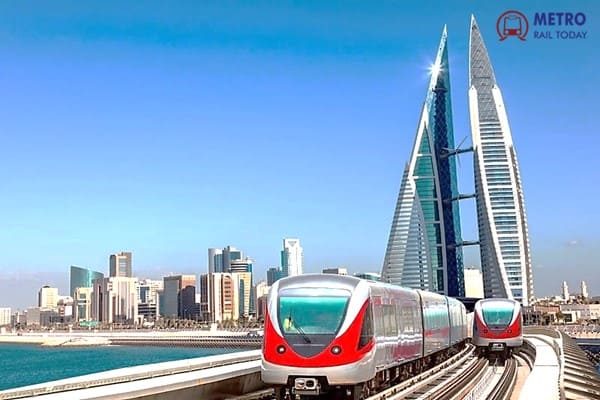 Global Rail & Metro Infrastructure Market to Reach USD 462.13 Billion by 2033
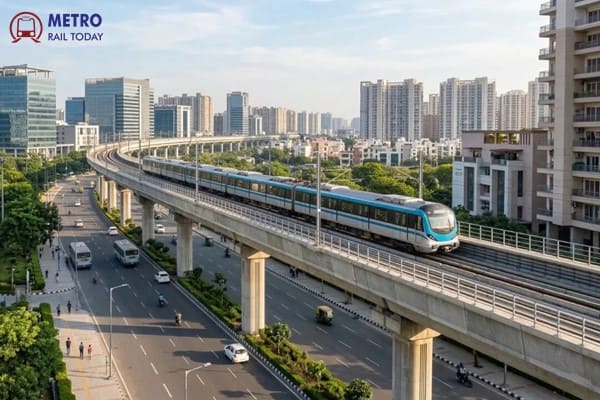 Malaysia awards RM2.69 billion contract for Penang Mutiara Line’s Cross-Sea LRT Extension
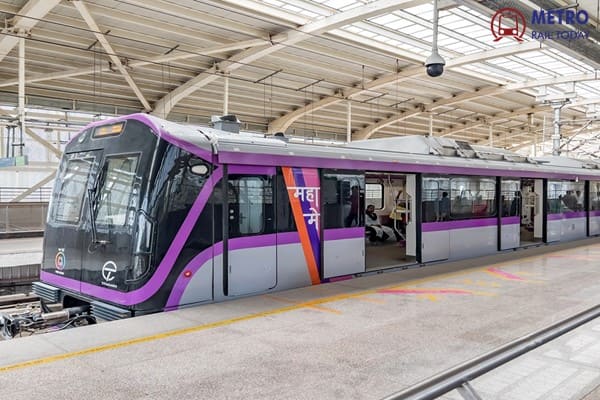 Afcons Infrastructure wins ₹876.51 crore contract for Pune Metro Viaduct and Elevated Road Project
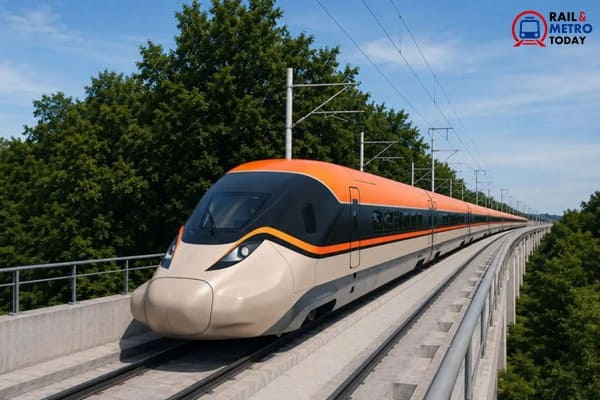 SYSTRA–led JV wins ₹228.78 crore Design Consultancy Contract for two 350 kmph Bullet Train Corridors
 Paras Railtech wins ₹84.72 crore Ballastless Track Contract for Jaipur Metro Phase 1C Project
 SYSTRA India wins DPR Consultancy Contract for Chennai Metro Phase II Corridor 5 Extension
 BEML plans manufacturing of Tunnel-Boring Machines for upcoming Rail & Infra projects in India
 PM Narendra Modi inaugurates 7.5-km elevated stretch of Bangalore Metro Pink Line
 Dilip Buildcon wins ₹419.47 crore Civil Contract for Gurugram Metro Depot and Workshop Project
Global Rail & Metro Infrastructure Market to Reach USD 462.13 Billion by 2033
MRT Online Desk
Posted on: 2026-11-18 08:05:00
Viewer: 206
Comments: 0
Country: India
City: New Delhi
New Delhi, India (Rail & Metro Today): The global rail infrastructure market is projected to grow from USD 315.89 billion in 2026 to USD 462.13 billion by 2033, registering a compound annual growth rate (CAGR) of 5.6% during the forecast period. Increasing investments in high-speed rail, railway electrification, metro networks and infrastructure modernisation are expected to create significant opportunities for companies across the global railway industry.
As governments and transport authorities prioritise sustainable mobility, railways are gaining importance as an efficient mode of passenger and freight transportation. Expanding urban populations, rising demand for faster intercity connectivity and the need for more reliable logistics networks are further supporting investments in railway infrastructure.
High-Speed Rail and Modernisation Drive Market Growth
The expansion of high-speed railway networks is emerging as a major growth driver for the global market. Countries are investing in advanced rail corridors to improve connectivity between major cities, reduce journey times and provide alternatives to road and air transportation.
Infrastructure modernisation is another important contributor. Railway authorities are upgrading existing tracks, bridges, stations, tunnels and other assets to improve capacity, safety and operational efficiency.
Growing demand for railway electrification is also supporting market development. Electrified railway networks can help reduce dependence on fossil fuels and support the transition towards lower-emission transportation systems.
Meanwhile, investments in urban metro networks and freight rail infrastructure are creating additional opportunities for engineering, construction, technology and equipment suppliers.
Digitalisation Transforming Railway Infrastructure
Rail infrastructure development is increasingly moving beyond conventional track construction towards integrated and technology-driven railway systems.
Digital signalling, advanced telecommunications, intelligent train control, digital asset management and predictive maintenance are becoming important components of modern railway projects. These technologies can improve network capacity, enhance safety, optimise maintenance activities and support more efficient railway operations.
High-speed rail is also expected to remain an important growth segment as countries pursue faster and more efficient passenger transportation systems.
Asia Pacific Offers Significant Opportunities
Asia Pacific continues to represent an important growth market, supported by large-scale railway expansion and modernisation programmes. Investments in high-speed rail, metro systems, railway electrification and freight corridors are creating opportunities for domestic and international infrastructure companies.
The region's expanding urban transport requirements and growing demand for efficient logistics connectivity are expected to sustain investment in railway infrastructure over the coming years.
Leading Companies in the Global Rail Infrastructure Market
Several major international companies are positioned to participate in the expanding market through their involvement in railway construction, engineering, signalling, rolling stock, electrification and digital rail technologies.
Key industry participants include China Railway Group, China Railway Construction Corporation, Siemens Mobility, Alstom, Hitachi Rail and Wabtec Corporation.
These companies operate across different segments of the railway value chain, contributing to infrastructure development, advanced railway systems and technology-led modernisation.
Long-Term Outlook for the Rail Industry
The projected expansion of the global rail infrastructure market reflects the growing importance of railways in future transportation planning. With investments increasingly focused on high-speed connectivity, sustainable mobility, digital technologies and network modernisation, the industry is expected to offer opportunities across construction, engineering, equipment manufacturing and railway technology.
As countries continue to expand and upgrade their railway networks, collaboration between governments, infrastructure developers, technology providers and engineering companies will remain essential to delivering efficient, reliable and future-ready rail transportation systems.

MRT Online Desk
Metro Rail Today is an authentic and global news provider for the Rail & Metro industry from and around the world.