

Trending Now
 Alstom to deploy DTG Signalling System for Jaipur Metro’s 5.2-km Phase-1 Extension
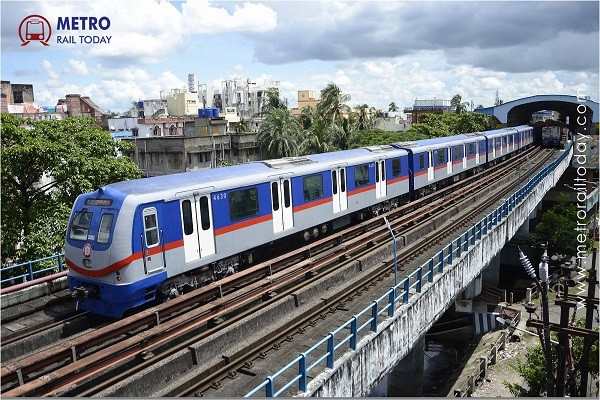 RVNL floats ₹297.45-crore Power Systems Tender for Kolkata Metro Purple Line
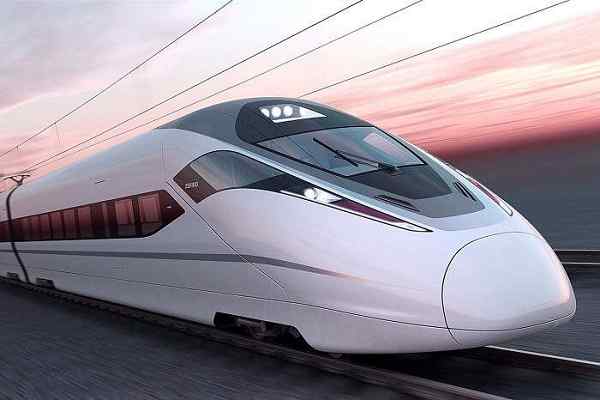 Siemens Mobility awarded $772 million Trainset Contract for California High-Speed Rail Project
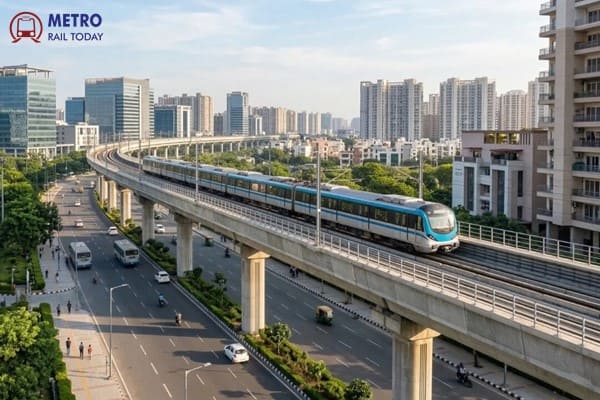 RITES submits fresh DPR to UPMRC for ₹12,000 crore Prayagraj Metro Rail Project
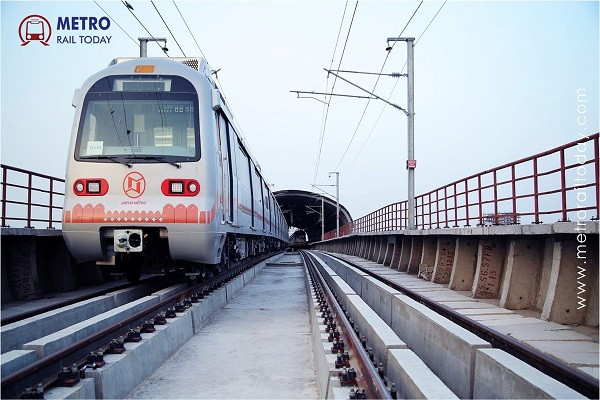 Paras Railtech wins ₹84.72 crore Ballastless Track Contract for Jaipur Metro Rail Project
 Indian Railways announces 3,548 Graduate-Level Vacancies under NTPC Recruitment 2026
 European Union sanctions €10 million to support extension of Hanoi Metro Line 3
 GMRC issues ₹683 crore Tender for construction of 8.68 km stretch for Ahmedabad Metro
- GMRC launches ₹439 crore Tender for construction of 5 New Ahmedabad Metro Stations
 Global tender issued for procurement of 60 Rolling Stock coaches for Hyderabad Metro Rail Project
Global Urban Rail Transit market projected to reach USD 265.84 billion by 2033
MRT Online Desk
Posted on: 2026-01-23 15:15:00
Viewer: 22,443
Comments: 0
Country: India
City: New Delhi
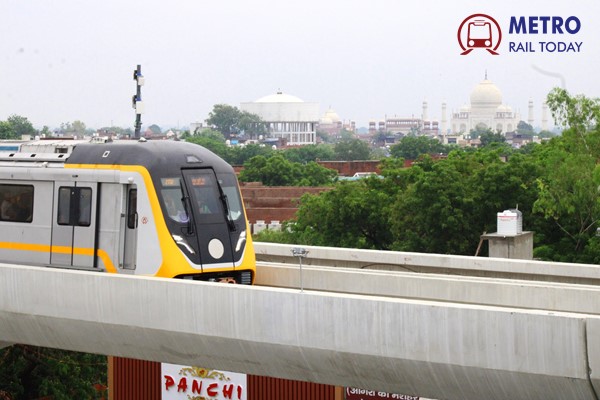
The landscape of city living is undergoing a seismic shift. As populations swell and metropolitan areas expand at an unprecedented rate, the traditional reliance on private automobiles is reaching a breaking point. According to a recent comprehensive report by Metro Rail Today, the global Urban Rail Transit Market is poised for significant growth, valued at USD 141.00 billion in 2025 and projected to reach USD 265.84 billion by 2033, expanding at a compound annual growth rate (CAGR) of 7.3%.
This surge is not merely a reflection of increased ridership; it is a fundamental reimagining of how urban mobility can be efficient, green, and technologically advanced.
1. The Catalysts: Why Urban Rail is Booming
Several critical factors are converging to drive the expansion of metro, light rail, and monorail systems worldwide:
Fast-Paced Urbanization
By 2050, nearly 70% of the world’s population is expected to live in cities. This migration places immense pressure on existing road infrastructure. Urban rail transit offers a high-capacity solution that can move thousands of people per hour without adding to street-level gridlock.
The Green Mandate
Environmental concerns are no longer secondary considerations; they are primary drivers of policy. Governments are increasingly prioritizing rail systems—which produce significantly fewer emissions per passenger than cars—to meet carbon neutrality targets. The shift toward "green rail" is a cornerstone of sustainable urban planning.
Government Spending and Decongestion
Major cities are allocating massive budgets to decongest urban centers. From federal grants in the United States to multi-billion-dollar investments in India’s metro networks, the goal is to create "smart cities" where the rail system serves as the backbone of economic and social life.
2. Technology: From Manual to Fully Autonomous
One of the most exciting aspects of the report is the evolution of autonomy within the rail sector.
-
Manual Operations: While manual systems currently hold the largest market share due to their established reliability and lower initial costs, the tide is turning.
-
Automation (GoA-2 to GoA-4): Cities are rapidly moving toward semi-automated and fully automated trains. These systems use Communication-Based Train Control (CBTC) to operate trains at shorter intervals safely.
-
AI and IoT: Artificial Intelligence is transforming maintenance. Instead of waiting for a component to break, IoT sensors allow for predictive maintenance, identifying potential failures before they cause delays. This reduces operational costs and enhances the passenger experience.
3. Market Segmentation: Dominant Modes of Transit
The urban rail market is diverse, with different systems serving unique urban needs:
-
Metro/Subway: This remains the dominant segment. Its massive passenger capacity and ability to bypass surface traffic entirely make it the preferred choice for dense Tier-1 cities.
-
Light Rail/Trams: These systems are gaining popularity in Tier-2 and Tier-3 cities. They are more flexible and have lower infrastructure costs than underground subways, making them ideal for connecting residential suburbs to city centers.
-
Monorail: Often used in specific corridors or niche urban environments, monorails provide a space-efficient alternative in areas where ground-level space is unavailable.
4. Regional Outlook: Asia-Pacific Takes the Lead
The Asia-Pacific region is the undisputed powerhouse of the urban rail market. Rapidly developing nations like China and India are investing heavily in new metro lines to support their booming populations. In India alone, the ministry has earmarked tens of billions of dollars for comprehensive railway development.
Meanwhile, North America and Europe continue to hold significant shares. In the United States, high-density cities like New York, Chicago, and Los Angeles are focusing on modernizing aging infrastructure and integrating digital ticketing and real-time tracking to improve the commuter experience.
5. Challenges on the Track
Despite the optimistic outlook, the industry faces significant hurdles:
-
Tremendous Capital Expenditure: Building rail networks requires massive upfront investment and long-term financial commitment.
-
Lengthy Project Durations: From planning to commissioning, urban rail projects often take a decade or more, making them susceptible to political and economic shifts.
-
Integration Complexity: Modernizing old tracks with new automation technology while maintaining daily operations is a complex engineering feat.
The Path Forward
The future of urban rail transit is connected, data-driven, and shared. As we move toward 2033, we can expect to see seamless integration between rail and "last-mile" solutions like e-scooters and ride-sharing apps, all managed through a single digital platform.
The report highlights a clear trend: the cities of the future will not be built around the car, but around the track. For investors, policymakers, and urban planners, the message is clear—the urban rail transit market is on a fast track to becoming the most vital component of the modern global economy.

MRT Online Desk
Metro Rail Today is an authentic and global news provider for the Rail & Metro industry from and around the world.