

Trending Now
 R Mohanraja appointed as new Secretary of Railway Board, Ministry of Railways
 Adani Group's construction arm bags first ₹1,024 crore Civil Contract of Delhi Metro Phase 5
 Govt approves permanent absorption of NCRTC Managing Director Shalabh Goel from Indian Railways
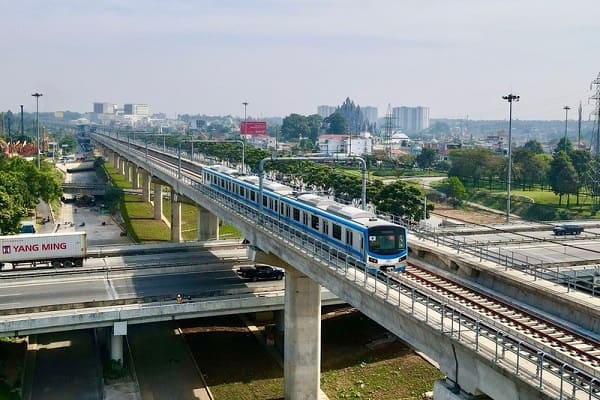 Hyundai Rotem signs $332 million Rolling Stock Contract with Vietnam for Ho Chi Minh City Metro
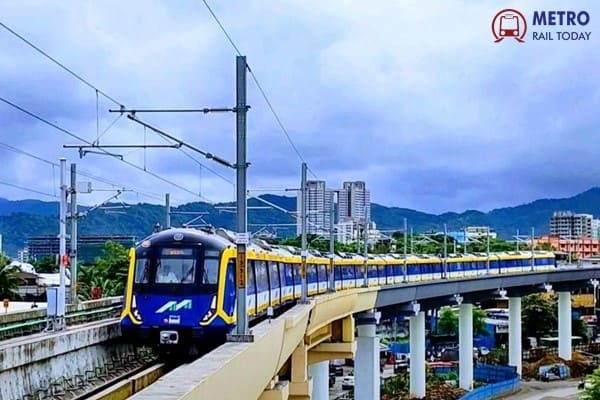 Maharashtra approves ₹18,130 Crore Mumbai Metro Line 5 Expansion & New Line 5A
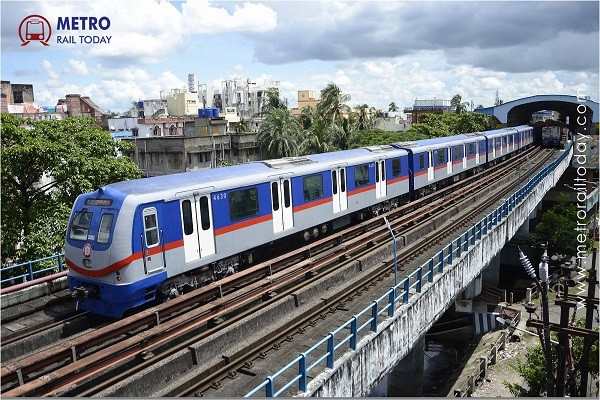 Telangana Govt approves ₹13,615 crore IRFC loan to takeover Hyderabad Metro from L&T
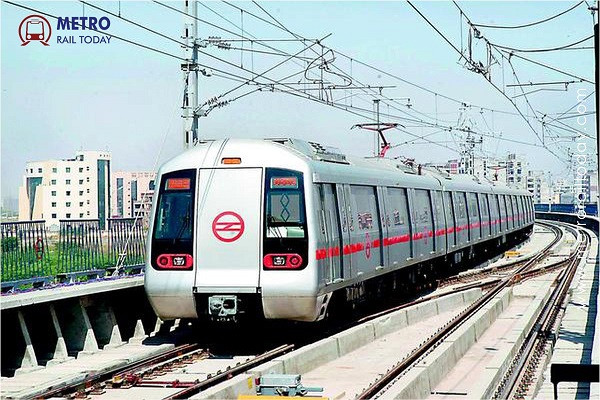 DMRC appoints Sanjay Jamuar as First CEO of Delhi Metro International Limited
 India launches first High Speed Bullet Train Manufacturing Complex in Bengaluru
 Spain investigates CAF’s role in Jerusalem Light Rail Project amid Human Rights allegations
 Dr. Amit Kumar Jain conferred Delhi CM’s Award 2026 for driving Digital Innovation in Urban Mobility
Punjab approves 27-km long Pakistan’s first fully underground Lahore Blue Line Metro Project
MRT Online Desk
Posted on: 2026-03-06 16:13:00
Viewer: 1,617
Comments: 0
Country: Pakistan
City: Lahore
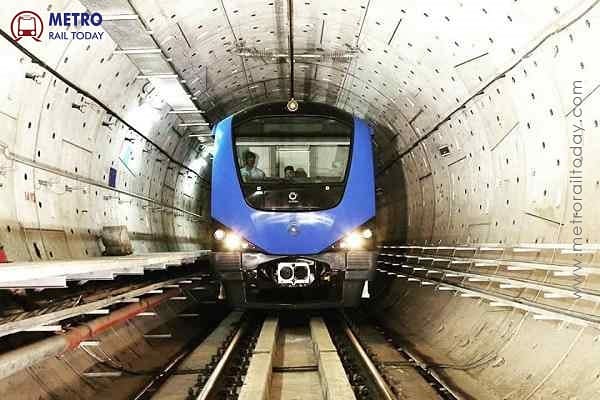
Lahore, Pakistan (Metro Rail Today): The Punjab government has approved the Lahore Blue Line Metro, marking a significant milestone as Pakistan’s first fully underground mass rapid transit system.
The proposed metro corridor is expected to transform urban mobility in Lahore, one of South Asia’s largest and fastest-growing cities, by providing a high-capacity public transport system designed to ease congestion and improve connectivity across key urban districts.
The Lahore Blue Line will span approximately 27 kilometres, running entirely underground to minimise disruption to the city’s existing road infrastructure and skyline.
The corridor will begin at Valencia Town and terminate at Babu Sabu Chowk, passing through several important residential and commercial areas along the route.
Major stations planned along the alignment include Johar Town, Faisal Town, Garden Town, Kalma Chowk, Gulberg, Jail Road, Ferozepur Road, Wahdat Road, and Allama Iqbal Town, which are among Lahore’s busiest urban zones.
By connecting these key districts, the metro line is expected to significantly enhance east-west connectivity within the city.
The project is estimated to cost more than PKR 600 billion, reflecting the large-scale engineering requirements involved in building an underground metro system across densely populated urban areas.
Officials indicated that advanced tunnelling technologies and specialised tunnel boring machinery will be deployed during construction, with excavation rates expected to reach approximately six metres per day.
The government has set an ambitious construction timeline of around three years, although large underground metro projects typically require careful planning and phased implementation.
The Blue Line project has already attracted interest from international financial institutions, including lenders and infrastructure partners from China, Japan, and France.
Such global participation could help support the project through technical collaboration, funding mechanisms, and engineering expertise.
Once operational, the metro line is projected to serve over 250,000 daily commuters, offering a reliable alternative to road transport in a city that faces severe traffic congestion and environmental challenges.
Authorities believe the project will help reduce pressure on Lahore’s major arterial roads, lower vehicle emissions, and support the government’s broader “Green Punjab” environmental goals.
Improved connectivity between major commercial districts such as Gulberg and Jail Road is also expected to strengthen economic activity and enhance the overall efficiency of the city’s transport network.

MRT Online Desk
Metro Rail Today is an authentic and global news provider for the Rail & Metro industry from and around the world.