

Trending Now
 Karnataka proposes 270-km RRTS Network linking Bengaluru with Tumakuru, Mysuru and KGF
 Alstom and Vingroup sign MoU to supply up to 200 Metro Trains for Hanoi Urban Rail Projects
 Afcons Infrastructure wins ₹1,383 crore Civil Contract for Lucknow Metro Phase 1B Corridor
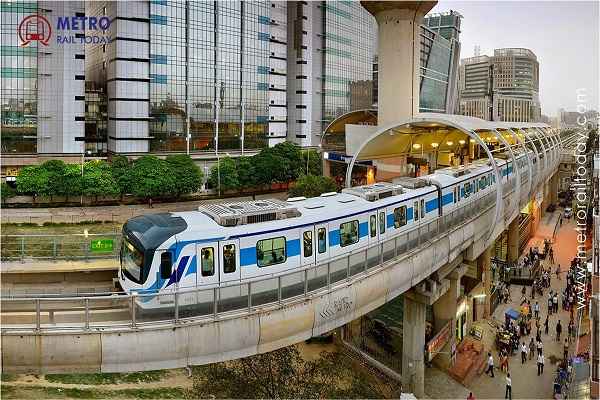 GMRL issues ₹1,662 crore Civil Tender for Sector 9–Cyber City Gurugram Metro Rail Corridor
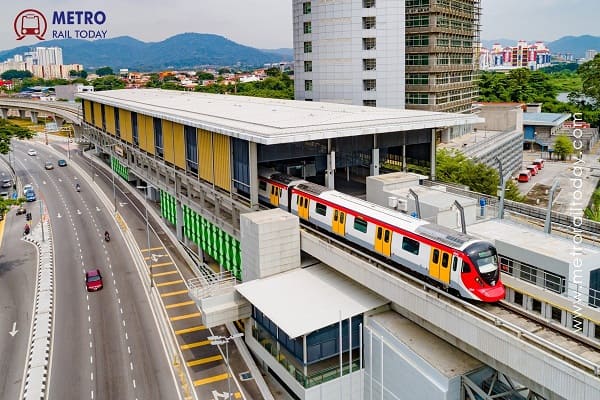 Madrid unveils €1.57 billion Metro Rail Expansion Programme with 27.8 km of New Corridors
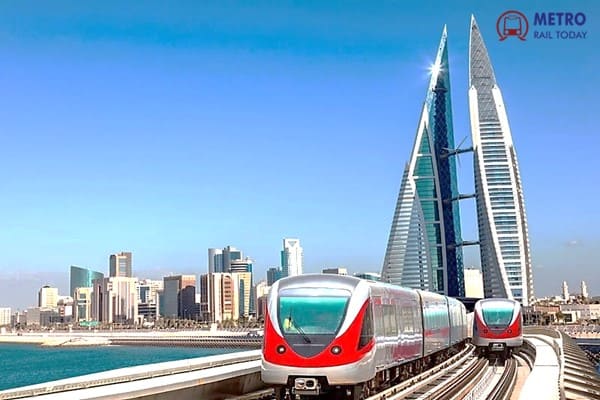 Global Tender launched for Project Management Consultancy for Abu Dhabi Tram Line 4
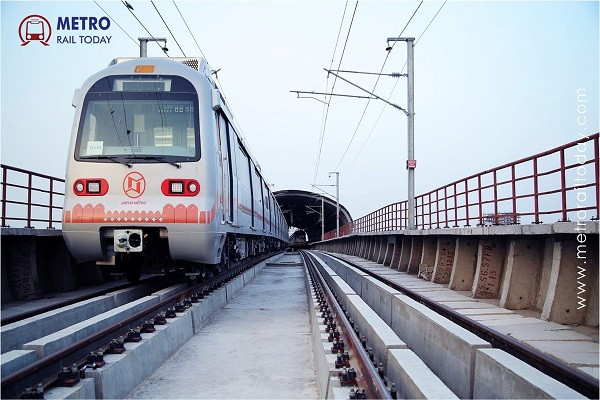 NV Dynamics awarded Noise and Vibration Study contract for Jaipur Metro Phase 2 Project
 Two global consortia bid for India’s 350 kmph High-Speed Rail Design consultancy contract
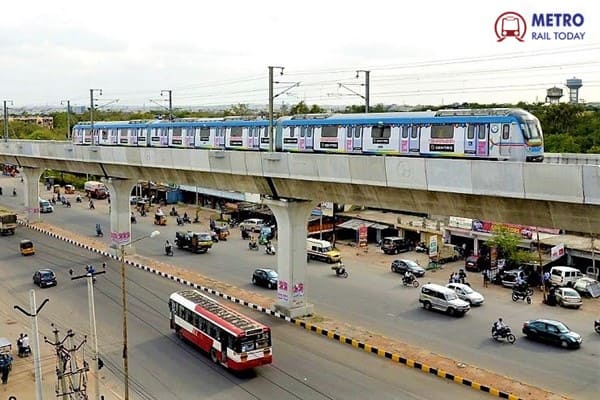 Larsen & Toubro (L&T) extends Hyderabad Metro stake sale timeline to 31 December 2026
 Haryana Govt approves ₹1,662 crore construction tender for Gurugram Metro Phase 2
Telangana Govt approves ₹13,615 crore IRFC loan to takeover Hyderabad Metro from L&T
MRT Online Desk
Posted on: 2026-04-24 16:15:00
Viewer: 2,289
Comments: 0
Country: India
City: Hyderabad
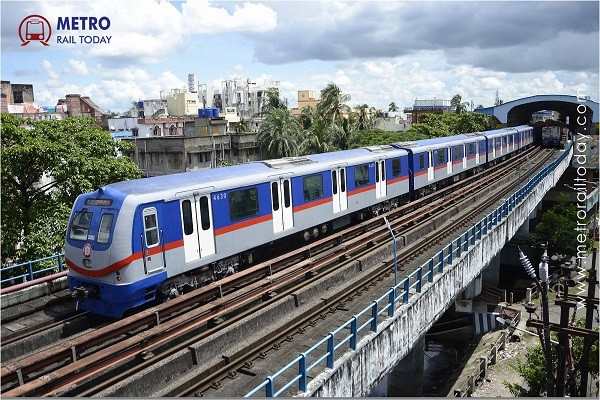
Hyderabad, India (Metro Rail Today): In a major policy shift aimed at reshaping urban transit governance, the Telangana Government has formally approved the acquisition of a 100% equity stake held by Larsen & Toubro (L&T) in L&T Metro Rail (Hyderabad) Limited (L&TMRHL), effectively paving the way for the Hyderabad Metro Rail Phase-I to transition into a fully state-owned entity.
The decision follows recommendations of a Cabinet Sub-Committee and was formalised through government orders issued recently. The move marks a significant turning point in India’s metro sector, where one of the largest Public-Private Partnership (PPP) metro projects is set to shift into public ownership.
₹13,615 Crore IRFC Loan to Finance Takeover
To fund the acquisition, the state has approved raising a loan of ₹13,615 crore from the Indian Railway Finance Corporation (IRFC), equivalent to the outstanding debt of the project as of April 30, 2026.
The government has also cleared:
- Execution of a Share Purchase Agreement (SPA)
- Provision of a State Government Guarantee
- Issuance of a Letter of Undertaking (LoU) to IRFC
- Signing of a tripartite agreement and direct debit mandate (RBI-compliant)
- Mobilisation of additional equity support through Hyderabad Metropolitan Development Authority (HMDA)
However, a key condition has been imposed: all clauses related to budgetary support have been removed from the IRFC term sheet, indicating a structured financial approach to limit fiscal exposure.
End of PPP Era for Hyderabad Metro Phase-I
The Hyderabad Metro Phase-I project, spanning 69.2 km, was originally developed under a PPP model by L&T, making it one of the world’s largest privately operated metro systems.
With this acquisition:
- The project will transition from private concessionaire control to state ownership
- Operational and financial control will shift to Hyderabad Metro Rail Limited (HMRL)
- The government will gain greater flexibility in fare policy, expansion, and integration planning
This move reflects a broader trend of re-evaluating PPP models in urban rail, particularly in cases where long-term financial sustainability and public service obligations require stronger government intervention.
Strategic Implications for Urban Mobility
The takeover is expected to have far-reaching implications:
1. Unified Governance
Bringing the metro under state control will enable better integration with future expansion corridors, multimodal transport, and urban planning initiatives.
2. Financial Restructuring
Refinancing through IRFC could potentially reduce borrowing costs and improve long-term viability of the project.
3. Policy Flexibility
The state can now align metro operations with public welfare goals, including fare rationalisation and last-mile connectivity improvements.
4. Replicability Across India
The Hyderabad model could serve as a precedent for other PPP-based metro systems facing financial or operational challenges.
The Managing Director of HMRL has been authorised to proceed with signing the Share Purchase Agreement after final approval from the Cabinet Sub-Committee. Subsequent steps will include financial closure, transition planning, and operational restructuring.
Commenting on the development, Mrs. Mamta Shah, MD & CEO, Urban Infra Group, said:
“The Hyderabad Metro transition from a PPP model to full state ownership is a defining moment for India’s urban transit sector. While PPPs have played a crucial role in accelerating metro development, evolving urban mobility needs demand flexible governance and sustainable financial structures. This move could set a new benchmark for balancing private participation with public accountability in large-scale infrastructure projects.”
The Telangana Government’s decision to take over Hyderabad Metro Phase-I signals a strategic recalibration of urban transport policy, prioritising long-term sustainability, operational control, and integrated mobility planning.
As Indian cities continue to expand their metro networks, this development could influence how future projects are structured—potentially redefining the balance between public ownership and private participation in the country’s urban transit ecosystem.

MRT Online Desk
Metro Rail Today is an authentic and global news provider for the Rail & Metro industry from and around the world.