

Trending Now
 Ghaziabad plans New Metro Corridor linking Vaishali to Gokulpuri via Hindon Airport
 Telangana Government takes full control of Hyderabad Metro from L&T in ₹1,461 crore Deal
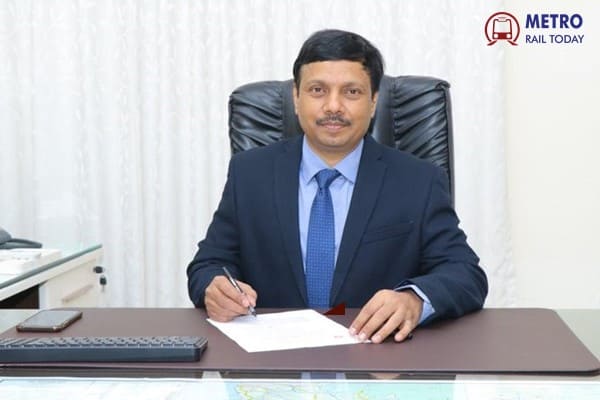 R Mohanraja appointed as new Secretary of Railway Board, Ministry of Railways
 Adani Group's construction arm bags first ₹1,024 crore Civil Contract of Delhi Metro Phase 5
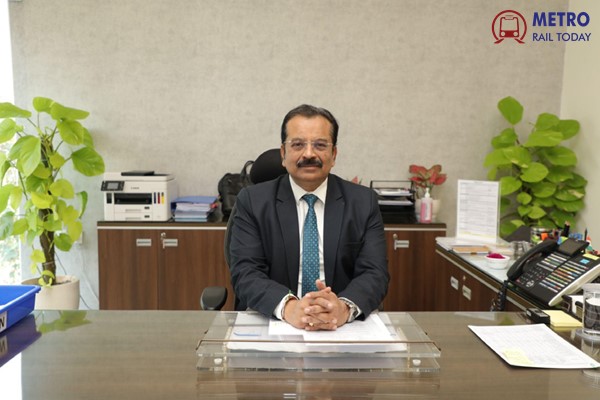 Govt approves permanent absorption of NCRTC Managing Director Shalabh Goel from Indian Railways
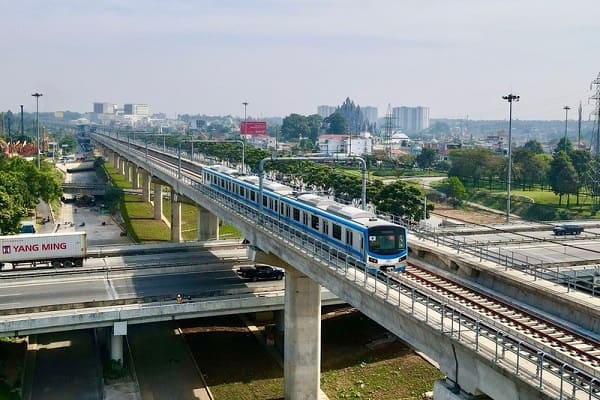 Hyundai Rotem signs $332 million Rolling Stock Contract with Vietnam for Ho Chi Minh City Metro
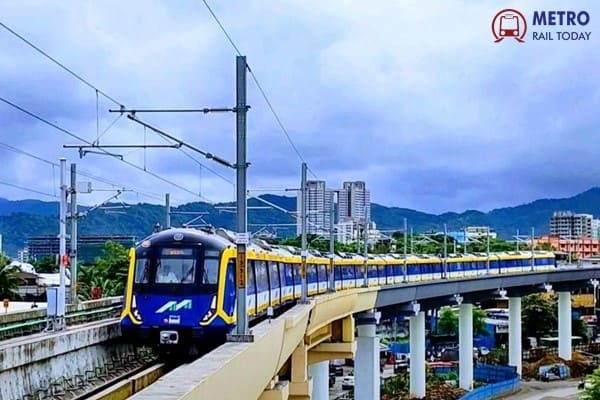 Maharashtra approves ₹18,130 Crore Mumbai Metro Line 5 Expansion & New Line 5A
 Telangana Govt approves ₹13,615 crore IRFC loan to takeover Hyderabad Metro from L&T
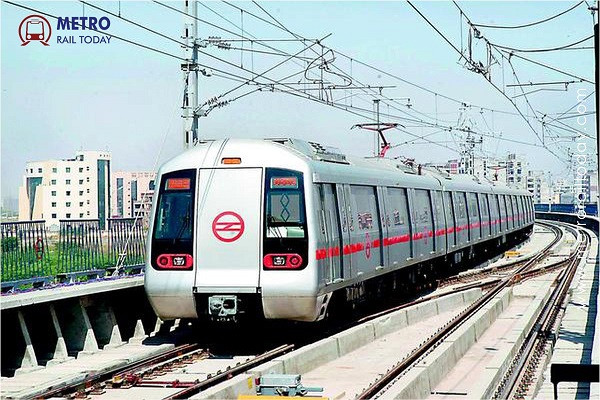 DMRC appoints Sanjay Jamuar as First CEO of Delhi Metro International Limited
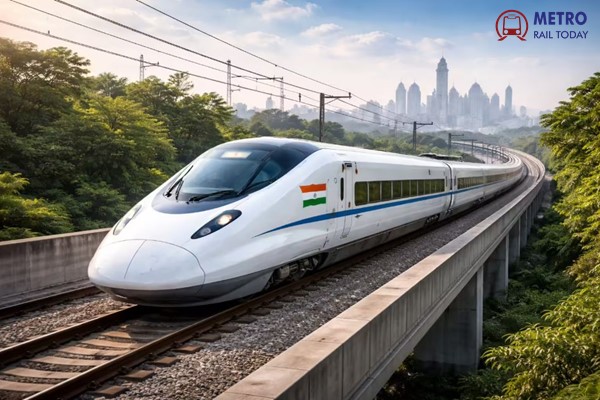 India launches first High Speed Bullet Train Manufacturing Complex in Bengaluru
Railway proposes 50-Year Concession Period and Land Acquisition Support to boost PPP Projects
MRT Online Desk
Posted on: 2026-03-06 10:10:00
Viewer: 797
Comments: 0
Country: India
City: New Delhi
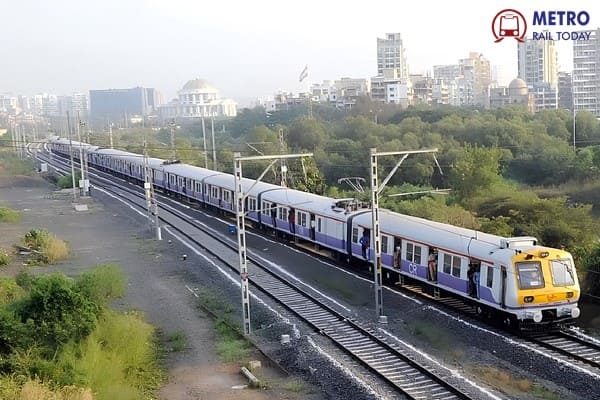
New Delhi, India (Metro Rail Today): The Ministry of Railways is planning major reforms to its public-private partnership (PPP) policy in a bid to attract greater private investment in railway infrastructure projects across India.
Officials said the proposed amendments include extending the concession period to 50 years and transferring full responsibility for land acquisition to Indian Railways, measures aimed at reducing risks for private investors and improving project viability.
The proposed changes are particularly significant as the Railways has identified 15 infrastructure projects worth around ₹35,800 crore to be implemented through the PPP model by March 2028. These projects include new railway lines, track doubling works, and station redevelopment initiatives.
Key Changes to the PPP Framework
Under the existing 2012 PPP policy, concession periods for railway projects generally range between 20 and 35 years, which industry experts believe may be insufficient for private investors to recover capital in large infrastructure projects.
The proposed policy revision will extend the concession period to 50 years, providing developers with a longer timeframe to recover investments and generate sustainable returns.
Officials also indicated that Indian Railways will take complete responsibility for land acquisition, including the cost and the administrative process.
Currently, while the Railways handles the acquisition process, the cost is typically borne by the private developer or the special purpose vehicle (SPV) created for the project.
Land acquisition has often emerged as one of the largest sources of delay and cost escalation in infrastructure projects, prompting the government to revisit the policy structure.
Learning from Infrastructure Development Experience
Officials said the proposed changes are partly based on lessons learned from highway infrastructure development, where the government has taken a larger role in land acquisition to accelerate project execution and attract private participation.
A senior railway official noted that the revised framework aims to mitigate major risks faced by private developers, thereby encouraging stronger participation from the private sector.
“We have forwarded some projects under PPP for final approval and more will be added to the list. The two critical changes will take care of most of the risks that such projects face,” the official said.
PPP Projects in Indian Railways So Far
Since the introduction of the PPP framework in 2012, the Railways has completed 18 projects worth approximately ₹16,686 crore under the model.
Another seven projects valued at around ₹16,362 crore are currently under implementation, including projects related to coal connectivity and port connectivity corridors.
The government has also begun implementing similar long-term concession models in other rail infrastructure initiatives.
Commenting on the proposed policy reforms, Mrs. Mamta Shah, MD & CEO, Urban Infra Group, said that reducing regulatory and financial risks is crucial to unlocking private sector participation in railway infrastructure.
“Extending concession periods and shifting land acquisition responsibilities to the government can significantly improve the bankability of railway PPP projects. Such reforms will provide greater certainty to investors and encourage private participation in developing critical rail infrastructure across the country,” she said.
She added that with India targeting large-scale expansion of rail corridors, logistics terminals, and multimodal infrastructure, a stronger PPP framework could play a key role in accelerating project delivery and attracting long-term capital.
Recently, Railway Minister Ashwini Vaishnaw announced a 50-year concession period for Gati Shakti Multi-Modal Cargo Terminals (GCTs) as part of a broader strategy to encourage private investment in logistics and freight infrastructure.


MRT Online Desk
Metro Rail Today is an authentic and global news provider for the Rail & Metro industry from and around the world.