

Trending Now
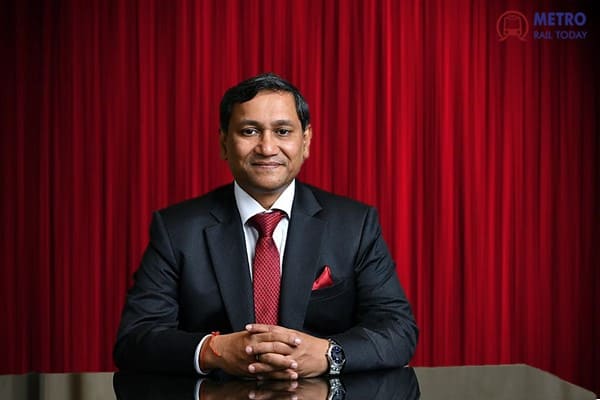 BEML plans manufacturing of Tunnel-Boring Machines for upcoming Rail & Infra projects in India
 PM Narendra Modi inaugurates 7.5-km elevated stretch of Bangalore Metro Pink Line
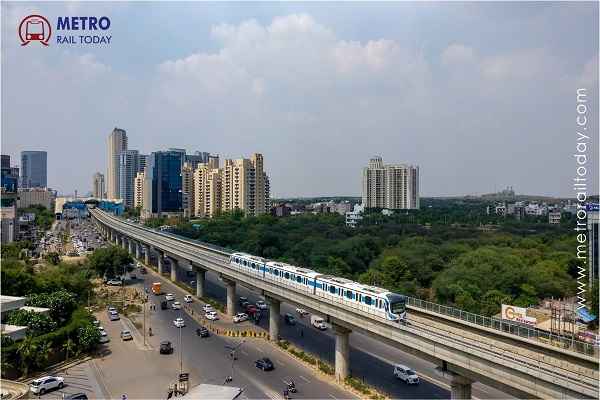 Dilip Buildcon wins ₹419.47 crore Civil Contract for Gurugram Metro Depot and Workshop Project
 Govt of India approves ₹2,390 crore Noida Metro Aqua Line Extension to Greater Noida West
 Hitendra Malhotra appointed as Member (Traction & Rolling Stock) in Railway Board
 UAE approves US$544.6 million Dubai Metro Extension to Al Maktoum International Airport
 KINET Railway's 24-coach Vande Bharat Sleeper Train Prototype may miss March 2027 deadline
 Siemens Mobility bags two Signalling contracts for Taoyuan Metro Extensions in Taiwan
 Bi-RIDE issues ₹1,017 crore Global Hybrid Signalling Tender for Bengaluru Suburban Rail Line 2 and 4
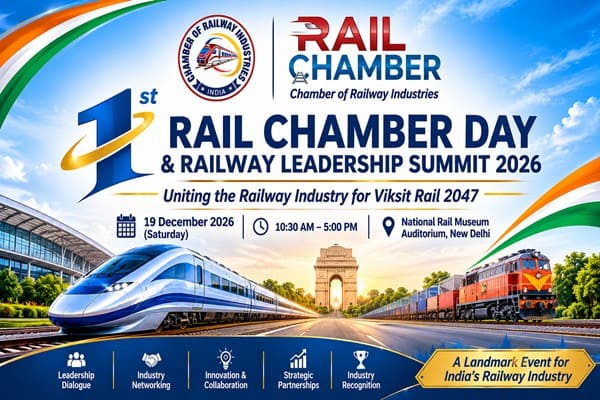 India to host First Rail Chamber Day & Railway Leadership Summit 2026 in New Delhi on December 19
BEML plans manufacturing of Tunnel-Boring Machines for upcoming Rail & Infra projects in India
MRT Online Desk
Posted on: 2026-11-11 08:15:00
Viewer: 166
Comments: 0
Country: India
City: Bengaluru
Bengaluru, India (Rail & Metro Today): BEML Ltd., India’s state-owned defence and engineering company, is preparing to enter the tunnel-boring machine (TBM) manufacturing sector, aiming to develop indigenous technology and reduce the country’s dependence on overseas suppliers. The initiative comes as India accelerates investment in metro rail, railway, road, hydropower and other underground infrastructure projects.
The company plans to initially develop smaller TBMs with diameters ranging from 3.5 metres to 6.5 metres, targeting applications in urban metro systems, irrigation, water supply and hydropower projects. It intends to gradually expand into larger and more technologically demanding machines, BEML Chairman and Managing Director Shantanu Roy said in an interview.
Roy said the company had already undertaken preparatory work and was ready with a development plan. BEML is also onboarding an international consultant to support its efforts to establish domestic manufacturing capabilities.
Focus on Indigenous Technology and Intellectual Property
Rather than assembling machines using imported components and technology kits, BEML intends to develop its own proprietary TBM technology. The objective is to establish Indian ownership of the intellectual property and build long-term domestic engineering capabilities.
“It will be an indigenous technology. The IP will be Indian,” Roy said.
The proposed entry into TBM manufacturing aligns with India's broader push to strengthen domestic industrial capabilities and reduce dependence on imported equipment, particularly from China. Recent restrictions by Beijing on exports of certain categories of construction equipment have further highlighted vulnerabilities in international supply chains.
India is among the world's major users of tunnelling equipment, supported by extensive investments in urban transport, highways, railways and underground utilities. However, advanced TBM technology remains concentrated among a relatively small number of international manufacturers.
For instance, the tunnel-boring machines used for the Mumbai section of India's first bullet train project have cutter heads approximately 13.6 metres in diameter. These machines were manufactured by Germany-based Herrenknecht AG at its facility in China.
Growing Demand from Metro, Rail and Highway Projects
BEML's plans come amid expanding opportunities in India's tunnelling market. Investments in metro rail networks, railway corridors, highway tunnels, irrigation systems and hydropower projects are expected to sustain demand for specialised underground construction equipment.
Road Transport and Highways Minister Nitin Gadkari has indicated that India aims to invest up to $9.6 billion in tunnelling projects over the next five years. Strategic road and railway infrastructure along the Himalayan frontier with China is another important source of demand, given the challenging terrain and extensive tunnelling requirements.
Roy estimates that India's TBM market could grow at approximately 12% annually over the next seven to eight years, nearly twice the projected pace of the global market.
A Long-Term Manufacturing Opportunity
Despite the market potential, establishing a competitive domestic TBM manufacturing ecosystem will require substantial investment in research, engineering, component development and specialised manufacturing capabilities.
BEML estimates that it would need around 22 months to deliver its first machine after securing a contract. The company plans to build its capabilities progressively, beginning with smaller machines before moving towards more complex equipment.
The proposed initiative could create opportunities for Indian engineering companies and component manufacturers while strengthening domestic capabilities in underground construction technology. If successful, BEML's entry could also support India's wider infrastructure ambitions by providing an additional domestic source of critical tunnelling equipment.
However, the transition from a development plan to commercially competitive indigenous TBMs will depend on technological execution, project orders and the creation of a reliable domestic supply chain.


MRT Online Desk
Metro Rail Today is an authentic and global news provider for the Rail & Metro industry from and around the world.