

Trending Now
 Kalpataru-SOMA JV bags ₹1,522 Cr Contract for Delhi Metro's Inderlok–Indraprastha Magenta Line Extn
 Ghaziabad plans New Metro Corridor linking Vaishali to Gokulpuri via Hindon Airport
 Telangana Government takes full control of Hyderabad Metro from L&T in ₹1,461 crore Deal
 R Mohanraja appointed as new Secretary of Railway Board, Ministry of Railways
 Adani Group's construction arm bags first ₹1,024 crore Civil Contract of Delhi Metro Phase 5
 Govt approves permanent absorption of NCRTC Managing Director Shalabh Goel from Indian Railways
 Hyundai Rotem signs $332 million Rolling Stock Contract with Vietnam for Ho Chi Minh City Metro
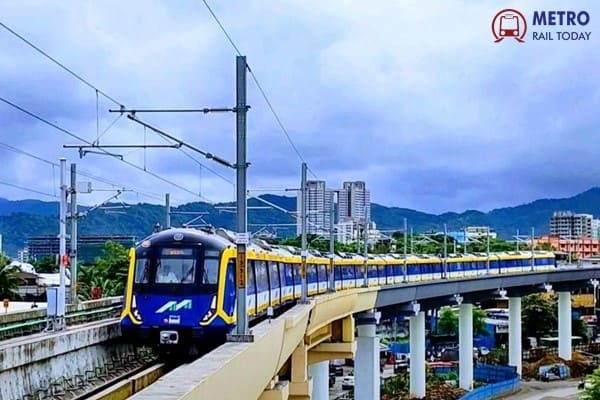 Maharashtra approves ₹18,130 Crore Mumbai Metro Line 5 Expansion & New Line 5A
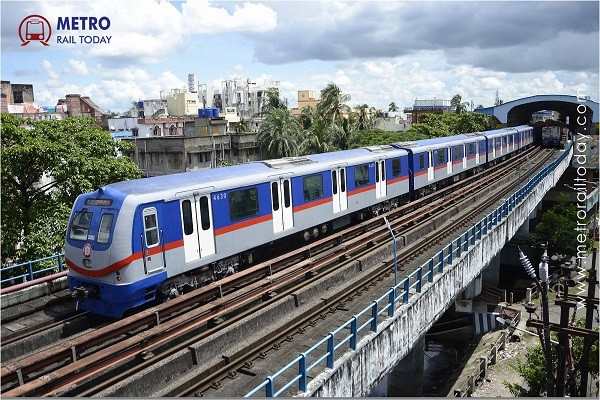 Telangana Govt approves ₹13,615 crore IRFC loan to takeover Hyderabad Metro from L&T
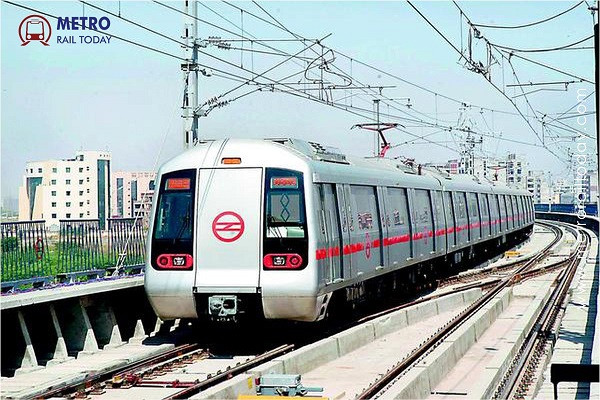 DMRC appoints Sanjay Jamuar as First CEO of Delhi Metro International Limited
A Nation on the Move: Celebrating the Metro Rail Revolution on India's 79th Independence Day
Mamta Shah
Posted on: 2025-08-15 07:00:00
Viewer: 17,393
Comments: 0
Country: India
City: New Delhi
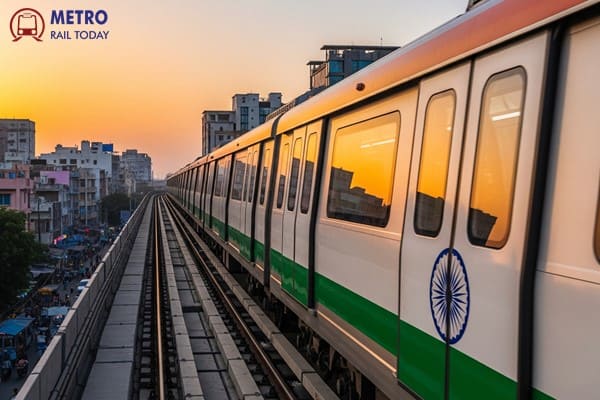
As we celebrate the 79th Independence Day, the story of modern India is written not only in its democratic triumphs but also in the silent symphony of steel wheels on new tracks. A profound revolution is reshaping our nation's landscape, driven by an unprecedented expansion of our railway systems. This isn't just about faster trains; it’s about a connected, sustainable, and prosperous India. Let's take a closer look at the remarkable progress across our urban, regional, and high-speed rail networks.
The Urban Lifeline: Metro and Urban Rail
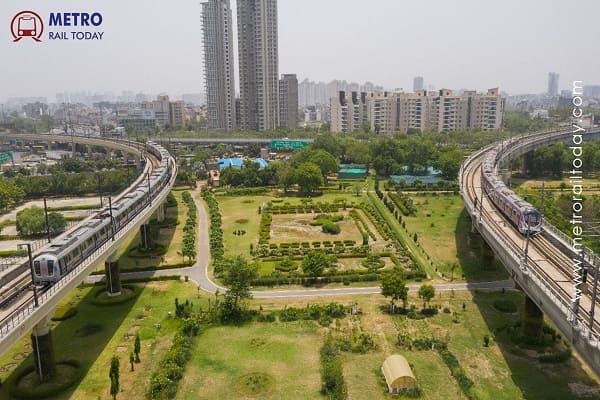
The growth of India's metro and urban rail networks has been nothing short of extraordinary. Just a decade ago, the country's metro network was limited to a mere 248 km across a few cities. Today, that number has soared past the 1,000 km mark, cementing India's position as the world's third-largest metro network. This explosive growth is a result of a tenfold acceleration in construction, with an average of 6 km of new lines being commissioned every month.
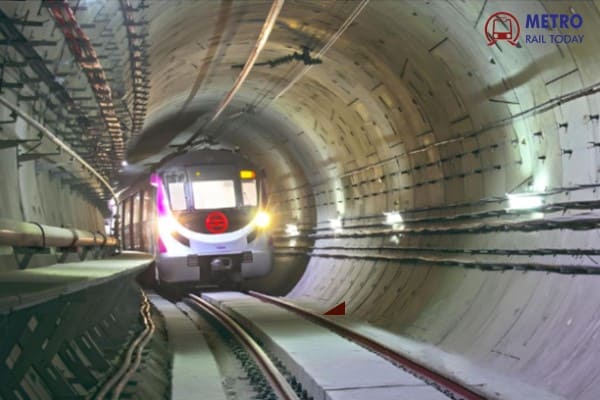
This expansion is more than a feat of engineering; it is a technological and social transformation. The launch of the country’s first underwater metro in Kolkata is a marvel of modern infrastructure, while the introduction of driverless trains in Delhi showcases our embrace of cutting-edge technology. Initiatives like the "One Nation, One Card" are simplifying urban travel, and a strong focus on "Make in India" has led to over 75% of metro coaches being domestically produced. This isn't just a transport system; it is the green, efficient, and technologically advanced backbone of our urban centers.
Connecting the Regions: The RRTS Revolution
Bridging the gap between cities and their surrounding regions is the Regional Rapid Transit System (RRTS). The flagship project, the Delhi-Ghaziabad-Meerut corridor, also known as the Namo Bharat line, is a game-changer for regional connectivity. With an operational speed of 160 km/h, these semi-high-speed trains offer a commute that is significantly faster than traditional rail and road transport.
The project is nearing its final stages, with the nearly entire 82-km corridor set to be fully operational by mid-2025. This historic line features a unique technological integration, where the same tracks and infrastructure are shared by both the high-speed RRTS trains and the local Meerut Metro, a first-of-its-kind model in India. Having already served over 1 crore commuters, this system is a powerful symbol of how India is re-imagining intercity travel.
Charting a New Future: High-Speed Rail
While high-speed rail is still on the horizon, the groundwork for a transformative future is being laid. India is actively building its first true high-speed rail corridor—the Mumbai-Ahmedabad Bullet Train project. With a planned operational speed of 320 km/h, this corridor will dramatically reduce travel time between the two major cities.
The construction is progressing at a swift pace, with the initial Gujarat section planned to be operational by late 2027 and the full corridor to Mumbai targeted for 2029. This ambitious project, which includes a 7-km undersea tunnel, is a testament to India's vision of becoming a global leader in advanced rail technology. In parallel, the semi-high-speed Vande Bharat Express has already become a popular choice for intercity travel, with over 150 trains now operational across the country, signifying a new era of comfortable and fast passenger service.
On this special day, let us celebrate these achievements as a collective stride towards a more integrated, mobile, and forward-looking nation. The journey of India's railways is a journey of its people—a testament to our shared dreams of a brighter future.
Jai Hind!


Mamta Shah
Mrs. Mamta Shah is Managing Director & CEO of Urban Infra Group. She is an active member of NITI Aayog (WEP Division) and honored with Global Goodwill Humanitarian for her contributions to the society.