

Trending Now
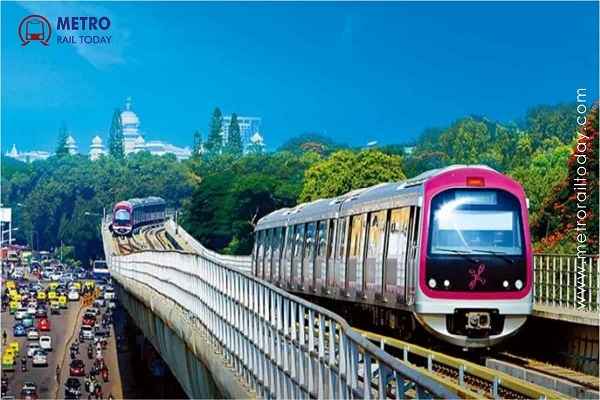 Bangalore Metro to launch ₹1,274 crore tender for Platform Screen Door Upgrade across 191 Stations
 AECOM-led JV bags Design Consultancy Contract for Chennai Metro Phase 1 Capacity Enhancement
 MoHUA proposes Housing above Delhi Metro Stations to promote Transit-Oriented Development
 Enhanced land compensation may increase Mumbai–Ahmedabad Bullet Train Project cost
 Assam Govt Cabinet approves four-phase Guwahati Metro Rail Project with ₹18,000 crore Investment
 RITES awarded DPR Contract for 55-km Nagpur Metro Phase 3 Expansion with Four New Corridors
 Mumbai Metro One secures ₹2,771 crore Debt Restructuring, Insolvency proceedings set to end
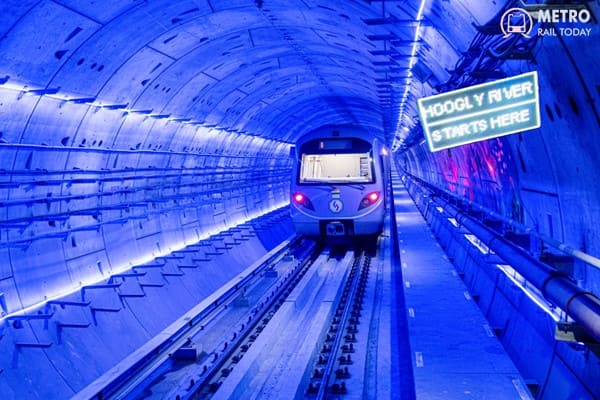 TBM Durga achieves major tunnel breakthrough at Victoria for Kolkata Metro Purple Line Expansion
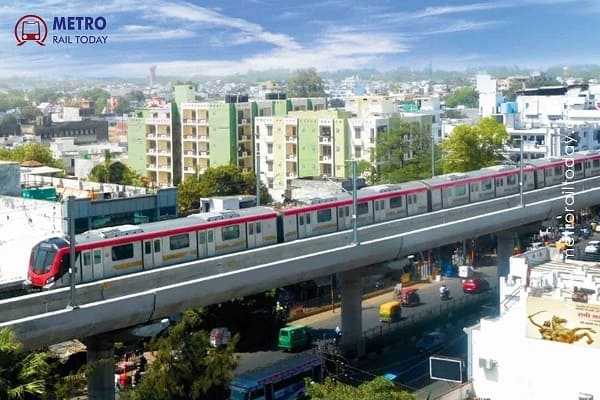 UPMRC floats ₹670 Crore Rolling Stock Tender for 45 Metro Cars for Lucknow Metro Phase 1B
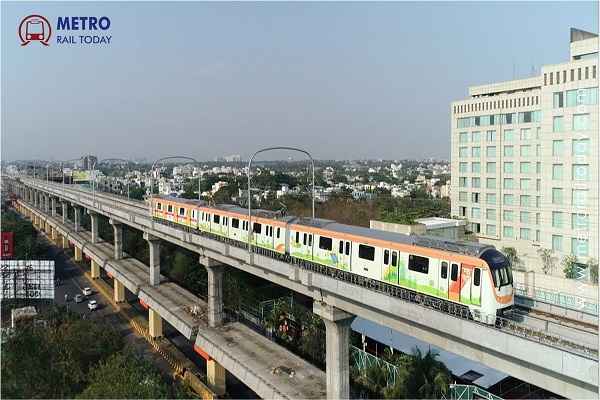 Maha Metro launches ₹994.78 crore Rolling Stock Tender for Nagpur and Pune Metro Phase 2
Bangalore Metro to launch ₹1,274 crore tender for Platform Screen Door Upgrade across 191 Stations
MRT Online Desk
Posted on: 2026-07-13 11:19:00
Viewer: 63
Comments: 0
Country: India
City: Bengaluru
Bengaluru, India (Metro Rail Today): In a major move to enhance passenger safety and prepare its network for future driverless train operations, Bangalore Metro Rail Corporation Limited (BMRCL) has proposed the installation of Platform Screen Doors (PSDs) across its metro network. The ambitious ₹1,274 crore initiative will eventually cover all 191 metro stations, making it one of the largest platform safety upgrade programmes undertaken by any metro system in India.
The proposal has been included in the Detailed Project Report (DPR) for Namma Metro Phase 3A (Hebbal–Sarjapur Corridor), which has been submitted to the Karnataka Government during the ongoing State Legislative Assembly session. The project is aimed at improving passenger safety, supporting the introduction of driverless trains and creating additional non-fare revenue opportunities.
177 Existing and Planned Stations to be Retrofitted
According to BMRCL, provisions for Platform Screen Doors have already been incorporated into the budgets of 14 stations, including 12 underground stations on the Pink Line and two underground stations on the Blue Line connecting Kempegowda International Airport.
The remaining 177 stations across Phases 1, 2, 2A, 2B, 3 and 3A will be retrofitted with Platform Screen Doors in a phased manner.
BMRCL plans to install half-height Platform Screen Doors at elevated stations, while full-height Platform Screen Doors will be provided at underground stations. Apart from preventing accidental falls and unauthorised track access, full-height doors will improve tunnel ventilation, reduce noise levels and enhance the efficiency of underground air-conditioning systems.
Safety Upgrade Driven by Rising Ridership
The proposal comes at a time when Namma Metro's daily ridership has crossed one million passengers, placing increasing pressure on station platforms during peak hours.
According to BMRCL, passenger safety concerns have intensified over the past two years due to several track-related incidents. In 2024, the metro network recorded eight cases of unauthorised track access, seven suicide deaths, two suicide attempts and two accidental falls.
In 2025, the network reported five unauthorised track access incidents, five suicide deaths, two suicide attempts, two accidental falls, along with one fatal electrocution incident. These incidents have reinforced the need for additional physical barriers between platforms and tracks to improve passenger safety and prevent accidental or intentional access to the railway line.
"Platform Screen Doors have become an essential component of modern metro systems worldwide. They significantly improve passenger safety, enhance operational reliability and are indispensable for fully automated metro operations. As India's metro networks evolve towards advanced technologies such as driverless trains, investments in platform safety infrastructure will play a vital role in building safer, smarter and more resilient urban transit systems," said Mrs. Mamta Shah, MD & CEO of Urban Infra Group.
Preparing for Driverless Metro Operations
Beyond improving safety, the installation of Platform Screen Doors is a critical requirement for the introduction of Grade of Automation 4 (GoA4) driverless metro operations.
GoA4 represents the highest level of railway automation, where trains operate without onboard drivers or operating staff. Train movement, stopping, door operations and emergency management are entirely controlled through advanced signalling systems and centralised control centres.
International safety standards require Platform Screen Doors or equivalent physical barriers for fully automated metro systems to prevent passengers from accessing the tracks, making their installation a prerequisite for future driverless services on Bengaluru Metro's upcoming corridors.
Supporting 'Make in India' and Non-Fare Revenue
To support the Government of India's 'Make in India' initiative, BMRCL has initiated technical discussions with Bharat Electronics Limited (BEL) for the indigenous development and supply of Platform Screen Doors. BEL has previously developed indigenous platform gate technologies in collaboration with the National Capital Region Transport Corporation (NCRTC) for India's Regional Rapid Transit System (RRTS).
In addition to improving safety, BMRCL plans to utilise the glass panels of the Platform Screen Doors as premium advertising spaces by integrating digital display systems. The initiative is expected to generate significant non-fare revenue, helping offset part of the project's capital investment while creating a sustainable revenue stream for metro operations.
Strengthening the Future of Namma Metro
The proposed Platform Screen Door programme represents one of the most significant safety investments in the history of Bengaluru Metro. As the network continues to expand under multiple phases, the upgrade is expected to improve passenger confidence, reduce operational risks and enable the seamless introduction of next-generation driverless metro services.
With Bengaluru rapidly emerging as one of India's largest metro rail networks, the proposed ₹1,274 crore safety initiative underscores BMRCL's commitment to adopting global best practices in urban rail operations while creating a safer, more efficient and technologically advanced public transport system for millions of daily commuters.

MRT Online Desk
Metro Rail Today is an authentic and global news provider for the Rail & Metro industry from and around the world.