


Trending Now
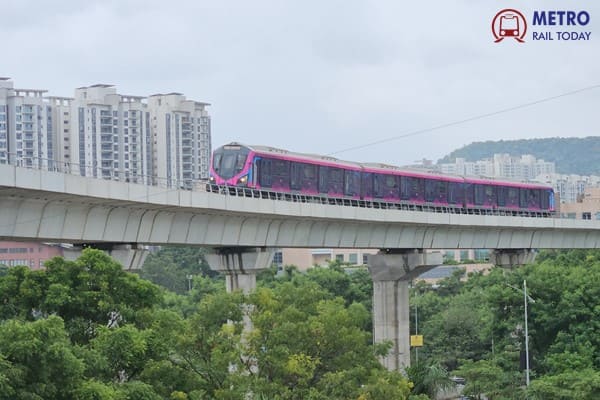 Pune Metro Line 3 targets September-end opening with 17 stations on Hinjawadi–Shivajinagar corridor
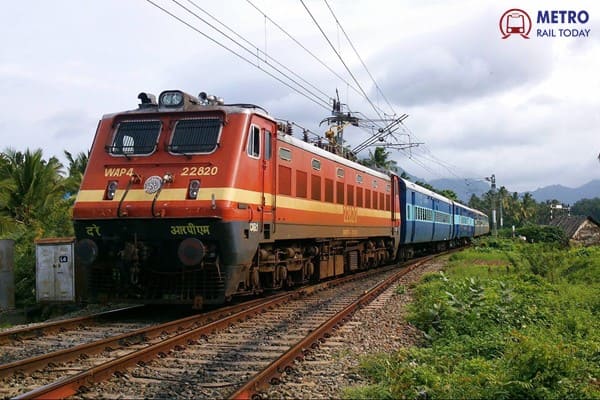 Jupiter Wagons Limited forms New Subsidiary to expand Railway Mobility Business
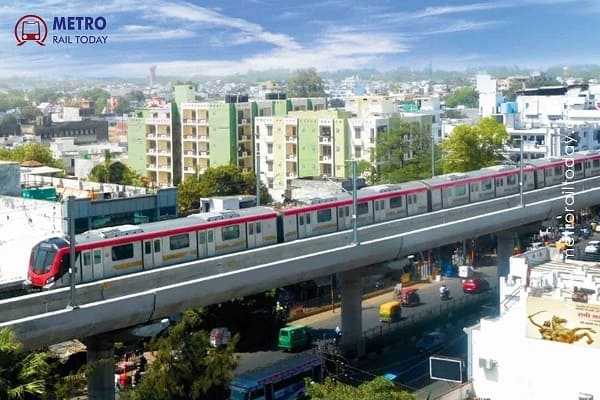 Five major firms bid for ₹1,878 crore Underground Section of Lucknow Metro Phase 1B Project
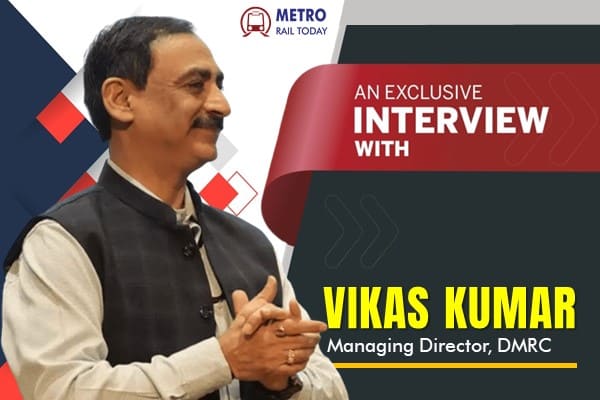 DMRC focuses on Technology, Financial Sustainability and Global Expansion: Dr. Vikas Kumar
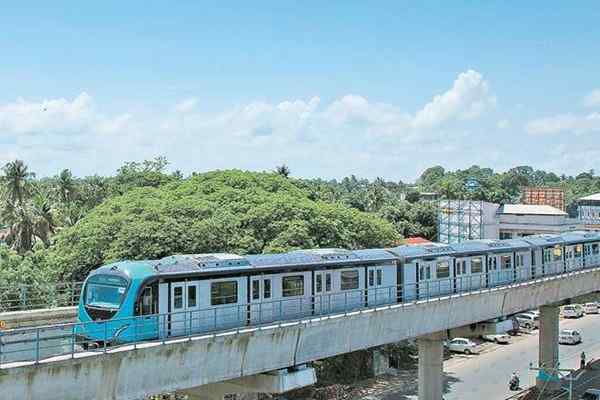 DMRC seeks opportunity to take up operation and maintenance of the Kochi Metro Rail network
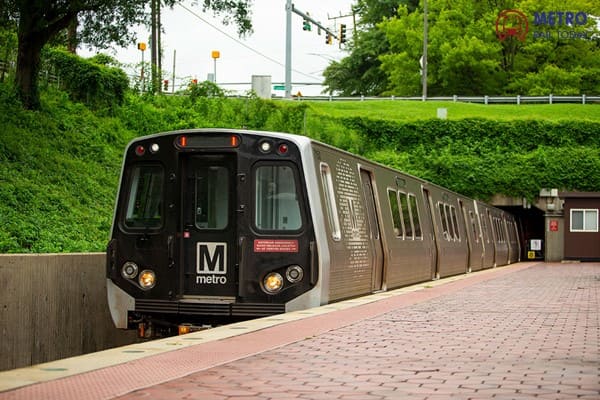 New Zealand opens country's first Underground City Rail Link in Auckland
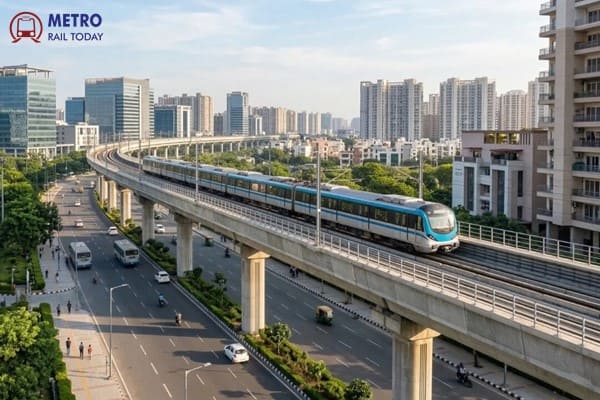 Ireland approves construction of €15.7 billion Dublin MetroLink, tender to be launched soon
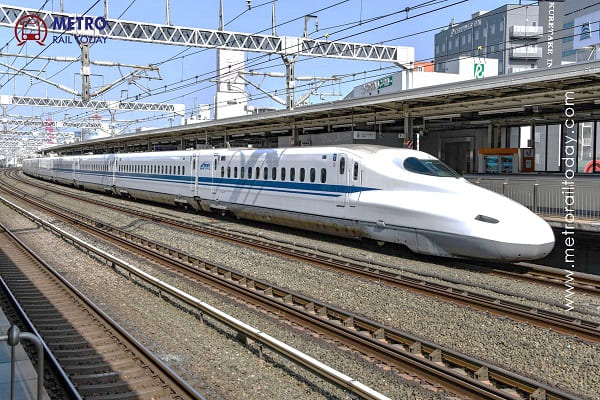 India's Mumbai-Ahmedabad Bullet Train project completes construction of over 365 km Viaduct
 Metro Rail Expansion in India: 1,155 Km Network Across 26 Cities and the Road Ahead
 Mumbai BKC Pod Taxi project faces Architects’ concerns over cost, capacity and environment
CMRS approves Driverless Metro Operations on first stretch of Chennai Metro Phase 2 Corridor 4
MRT Online Desk
Posted on: 2026-02-27 16:10:00
Viewer: 1,504
Comments: 0
Country: India
City: Chennai
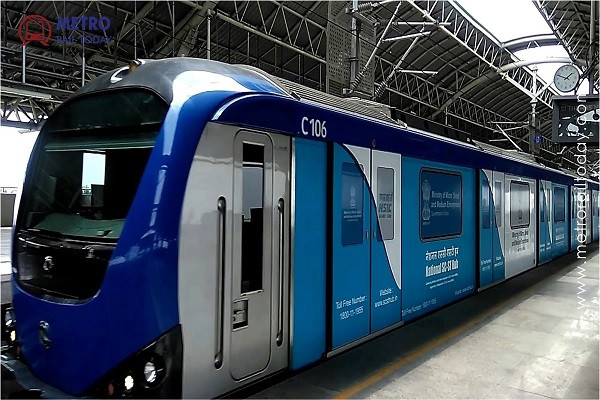
Chennai, India (Metro Rail Today): In a major advancement for Chennai’s urban mobility network, Chennai Metro Rail Limited (CMRL) has received official clearance to operate driverless metro trains between Poonamallee and Vadapalani under Phase 2 of the Chennai Metro Rail project.
The approval was granted by Railway Safety Commissioner A.M. Chowdhary after a detailed four-day statutory inspection of the corridor. The safety certification clears the way for the commencement of the first operational stretch of Corridor 4 under Phase 2.
Chennai Metro Phase 2 spans 118.9 km in total, with Corridor 4 extending approximately 26 km from Poonamallee to Lighthouse. The initial launch of services will cover the Poonamallee–Vadapalani section, marking the beginning of fully automated, driverless train operations on this corridor.
Before granting clearance, the inspection team conducted comprehensive evaluations of track geometry and quality, structural stability of viaducts and stations, passenger safety systems, rolling stock design and onboard facilities, as well as signalling and communication-based train control (CBTC) systems. Automated train operations were tested through trial runs at speeds ranging between 80 and 90 kmph to assess safety, system responsiveness and passenger comfort.
On the final day of inspection, the train was operated directly from the Operations Control Centre (OCC) to validate the performance, reliability and redundancy of the fully automated driverless system.
With the successful completion of safety trials and statutory approval, CMRL is now poised to introduce advanced unattended train operations (UTO), reinforcing Chennai’s position among Indian cities adopting next-generation metro technology. The launch is expected to significantly enhance connectivity along the western corridor while improving operational efficiency and service frequency.
Commenting on the development, Mrs. Mamta Shah, MD & CEO, Urban Infra Group, said, “The clearance for driverless operations on Chennai Metro’s Phase 2 reflects the growing maturity of India’s metro ecosystem in adopting advanced automation technologies. Fully automated systems not only improve safety and operational precision but also optimise headways and long-term operating costs.”
The milestone marks another important step in Chennai’s expanding metro network, aimed at delivering faster, safer and technology-driven public transport solutions for the city’s growing population.


MRT Online Desk
Metro Rail Today is an authentic and global news provider for the Rail & Metro industry from and around the world.