


Trending Now
 CLW sets Global Benchmark with record 800 Electric Locomotives production in FY 2025–26
 NMRC invites Applications for Key Executive Positions for Noida Metro Rail Project
 Central Govt rejects revised DPR of 7.5 km Noida-Greater Noida Metro Rail Extension Project
 Revised DPR of Prayagraj Metro focuses on seamless Rail-Air connectivity
 DMRC floats Tender for Central Vista Depot Design in Delhi Metro Phase V Expansion
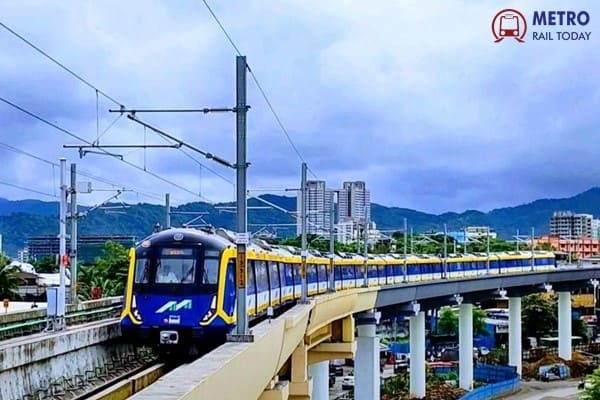 MMRDA seeks ₹14,100 Crore Loan for two upcoming Mumbai Metro Corridors
 Jupiter Wagons Eyes ₹20,000-Crore Mumbai Suburban Mega Rolling Stock Tender
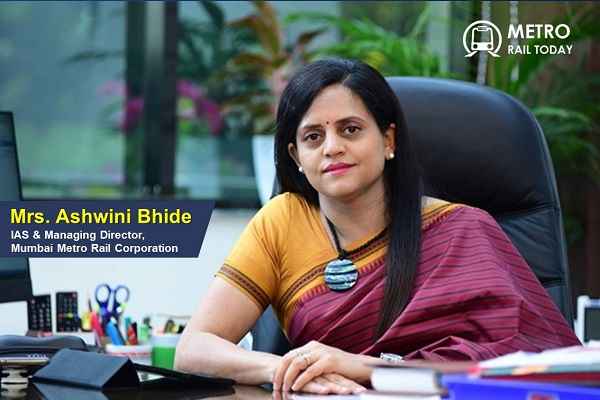 Mumbai Metro Chief Ashwini Bhide appointed as First Woman BMC Commissioner
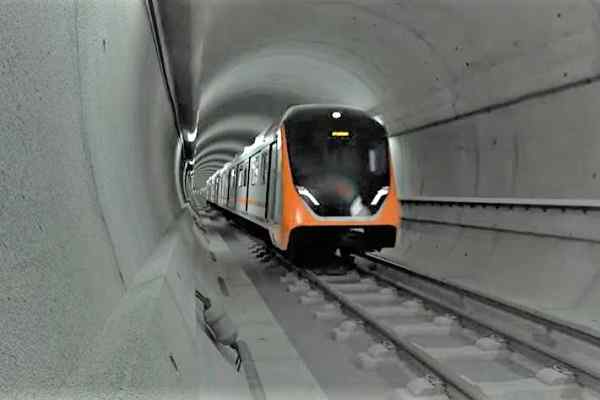 TBM ‘Parvati’ completes Underground Tunnelling on Kanpur Metro Phase 1 Project
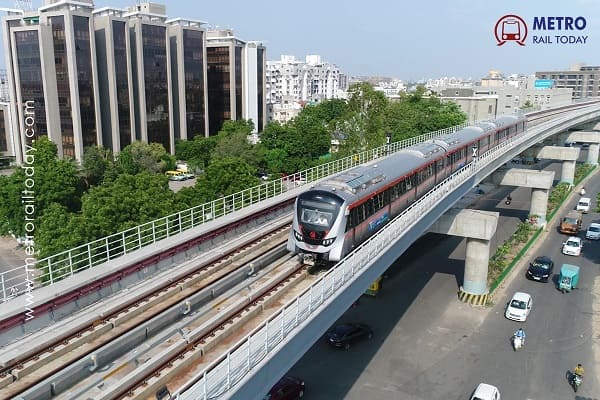 Surat Metro begins First Trial Run on 8.5 km Diamond Corridor between Dream City and Althan Tenement
CMRS started final safety inspection for Chennai Metro Phase 2 on Corridor 4
MRT Online Desk
Posted on: 2026-02-11 16:00:00
Viewer: 653
Comments: 0
Country: India
City: Chennai
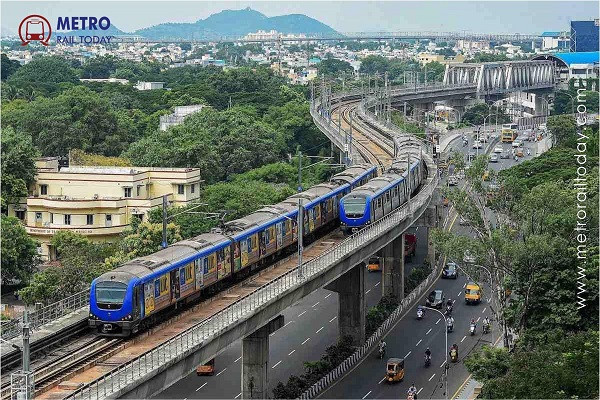
Chennai, India (Metro Rail Today): The final and most critical safety audit for Chennai Metro Rail’s Phase II stretch between Poonamallee and Vadapalani commenced on Wednesday, paving the way for the launch of passenger services later this month. The inspection is being conducted by the Commissioner of Metro Railway Safety (CMRS), Southern Circle, Anant Madhukar Chowdhary, whose approval is mandatory before commercial operations can begin.
The inspection began around 9:30 a.m. at Poonamallee Bypass Metro Rail station, where the CMRS and his team initiated a comprehensive review of infrastructure and systems along the elevated corridor. The stretch forms part of Corridor 4, which runs from Poonamallee to Light House under Phase II of the Chennai Metro project.
Not all stations between Poonamallee and Vadapalani will be operational at launch. The initial rollout will include Poonamallee Bypass, Poonamallee, Mullaithottam, Karayanchavadi, Kumananchavadi, Kattupakkam, Iyyapanthangal, Thelliyaragaram, Porur Bypass, Porur Junction, and Vadapalani. According to sources, the CMRS inspected the viaduct and stations from Poonamallee Bypass to Kattupakkam on the first day, with the remaining stations scheduled for inspection the following day.
During the audit, the CMRS team examined critical passenger and safety systems, including escalators, elevators, Passenger Information Display Systems, Platform Screen Doors, and fire alarm mechanisms. Detailed verification of track alignment at stations, curves, and crossover sections on the viaduct was also undertaken. Measurements of platform dimensions, including width and height, as well as the overhead electrical equipment clearances and other technical parameters, were carefully assessed.
The inspection will also cover the signalling system and the integration of various subsystems to ensure seamless coordination and operational safety. Speed trials of metro trains are planned as part of the certification process. Although initially scheduled for February 13, the trials may take place later, subject to the receipt of the Independent Safety Assessment certificate. Once submitted, the CMRS will conduct high-speed runs to evaluate performance, braking efficiency, ride quality, and overall system reliability.
The Poonamallee–Vadapalani stretch marks a crucial addition to Chennai Metro’s expanding Phase II network, aimed at enhancing east-west connectivity and reducing congestion in rapidly growing suburban zones.
Commenting on the development, Mrs. Mamta Shah, MD & CEO, Urban Infra Group, said, “The CMRS inspection is a defining step in commissioning any metro corridor, as it validates operational readiness and passenger safety standards. Chennai Metro’s systematic approach to safety certification reflects the maturity of India’s metro ecosystem. Timely completion of audits and successful speed trials will further accelerate Phase II’s integration into the city’s mobility framework.”
With the final safety audit underway, Chennai Metro Phase II moves closer to opening another vital corridor, reinforcing the city’s transition toward a modern, efficient, and high-capacity public transport network.


MRT Online Desk
Metro Rail Today is an authentic and global news provider for the Rail & Metro industry from and around the world.