


Trending Now
 Tender issued for Feasibility Study to Transition Hubballi-Dharwad BRTS to Modern Tram System
 Tamil Nadu Chief Minister seeks Centre’s approval for Bengaluru–Hosur Metro Link
 K-RIDE to appoint Detailed Design Consultant for Bengaluru Suburban Rail Project
 Prime Minister Narendra Modi inaugurates first 15-km stretch of Chennai Metro Phase 2
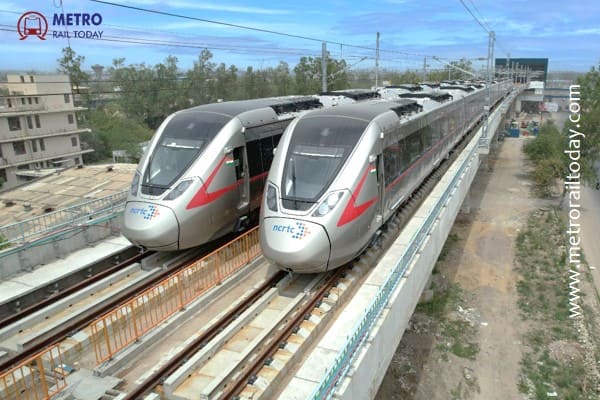 Karnataka proposes 270-km RRTS Network linking Bengaluru with Tumakuru, Mysuru and KGF
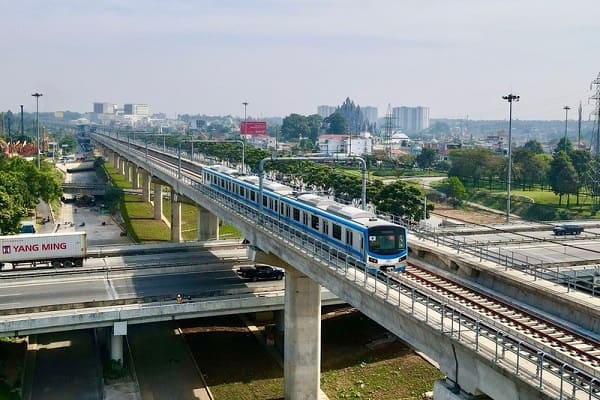 Alstom and Vingroup sign MoU to supply up to 200 Metro Trains for Hanoi Urban Rail Projects
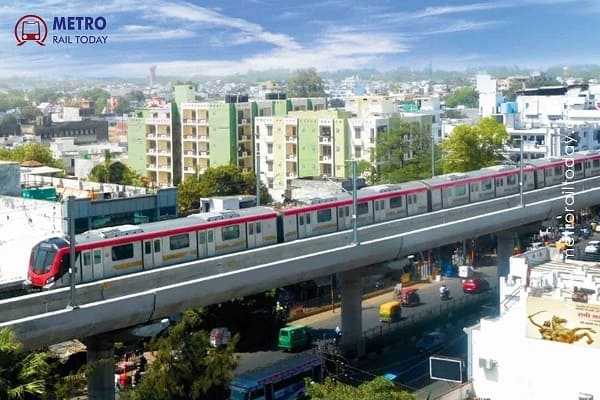 Afcons Infrastructure wins ₹1,383 crore Civil Contract for Lucknow Metro Phase 1B Corridor
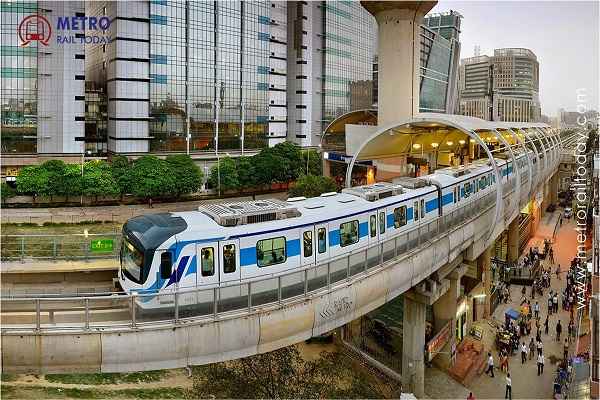 GMRL issues ₹1,662 crore Civil Tender for Sector 9–Cyber City Gurugram Metro Rail Corridor
 Madrid unveils €1.57 billion Metro Rail Expansion Programme with 27.8 km of New Corridors
 Global Tender launched for Project Management Consultancy for Abu Dhabi Tram Line 4
Revised DPR of Prayagraj Metro focuses on seamless Rail-Air connectivity
MRT Online Desk
Posted on: 2026-04-02 13:52:00
Viewer: 3,098
Comments: 0
Country: India
City: Allahabad
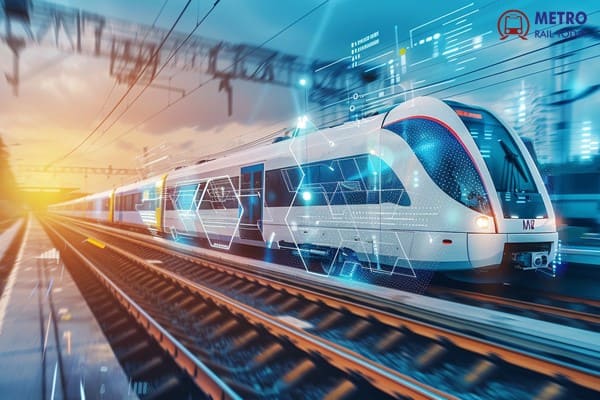
Prayagraj, India (Metro Rail Today): A new chapter in Prayagraj’s urban transformation is taking shape as the Detailed Project Report (DPR) for the proposed metro project places strong emphasis on integrated connectivity with major railway stations and the city’s airport. The ambitious plan aims to create a seamless, multimodal transport system that will significantly enhance commuter convenience across the Sangam city.
The proposed metro network will strategically connect Phaphamau in the north, Jhunsi in the east, Naini in the south, and Prayagraj Junction along with the airport in the west, forming a comprehensive urban transit grid. The proposal has been shared with Indian Railways to ensure that the metro system is closely integrated with redeveloped railway stations, allowing smooth passenger movement between different modes of transport.
Seamless Interchange to Redefine Passenger Experience
A key highlight of the DPR is the plan to develop direct connectivity between metro stations and railway platforms, eliminating the need for passengers to step outside station premises in search of last-mile transport options. Dedicated entry and exit points, foot overbridges, and seamless access routes will allow commuters to move directly from trains to metro services.
This approach mirrors successful models already operational in cities like Delhi, Bengaluru, and Lucknow, where integrated transit hubs have significantly improved passenger experience and reduced travel stress.
Commenting on the development, Mrs. Mamta Shah, MD & CEO, Urban Infra Group, said, “The focus on seamless multimodal integration in Prayagraj’s metro planning is a progressive step. Direct connectivity between railways, metro, and airports is essential for building efficient and passenger-centric urban transport systems in emerging cities.”
Faster Connectivity Across the City
Once implemented, the metro is expected to drastically reduce travel time, enabling passengers to reach Prayagraj Junction from key areas like Naini, Jhunsi, Phaphamau, and even the airport within approximately 15 minutes. This will not only improve daily commuting but also enhance connectivity for intercity travelers arriving from major routes such as Varanasi, Lucknow, Kanpur, and Mumbai.
The project is also expected to simplify airport access, making travel more convenient for both residents and visitors while reducing dependence on road-based transport.
Smart Infrastructure and Future-Ready Planning
The DPR envisions the development of high-end, technology-driven infrastructure at metro and railway stations, positioning Prayagraj as a modern, globally competitive urban center. Importantly, provisions for metro alignment and station integration are being planned alongside the redevelopment of railway stations, ensuring optimal land use and long-term scalability.
The Prayagraj Metro project represents a forward-looking initiative aimed at reducing congestion, saving travel time, and lowering commuting costs. By aligning metro development with railway and airport infrastructure, the city is poised to create a seamless, efficient, and sustainable transport ecosystem.
As planning progresses, the project is expected to play a pivotal role in reshaping Prayagraj’s mobility landscape, bringing it closer to the vision of a smart, well-connected, and future-ready city.


MRT Online Desk
Metro Rail Today is an authentic and global news provider for the Rail & Metro industry from and around the world.