


Trending Now
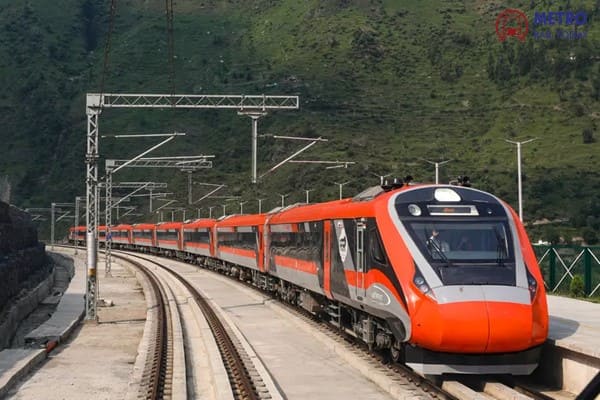 Japanese Delegation visits KRIDE to explore Bengaluru Suburban Rail Project opportunities
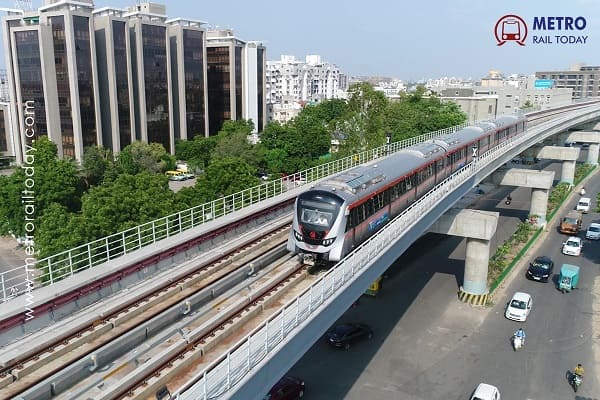 GMRC issues ₹879 crore Civil Tender for Airport Extension under Ahmedabad Metro Phase 2A
 Global Mobility Leaders Alstom and Siemens become Corporate Member of Chamber of Railway Industries
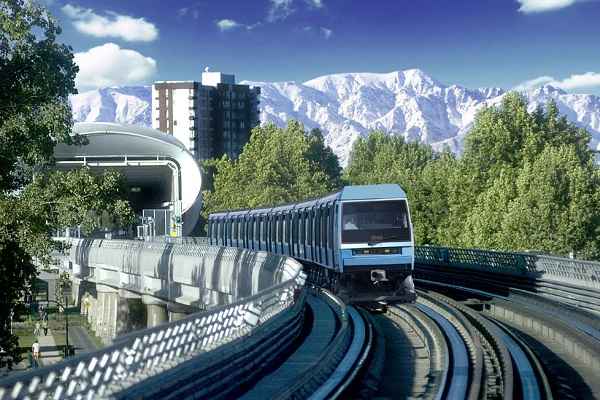 L&T-MHI JV wins contract for Automated People Mover at Dubai’s Al Maktoum International Airport
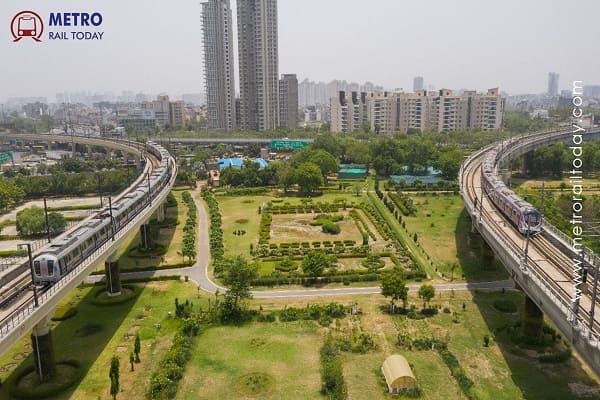 Delhi Metro Rail Network to expand to 695 km by 2047, Six new RRTS Corridors planned
 HÜBNER at InnoTrans 2026: Global rail expertise and local capability for India’s Next-Gen Mobility
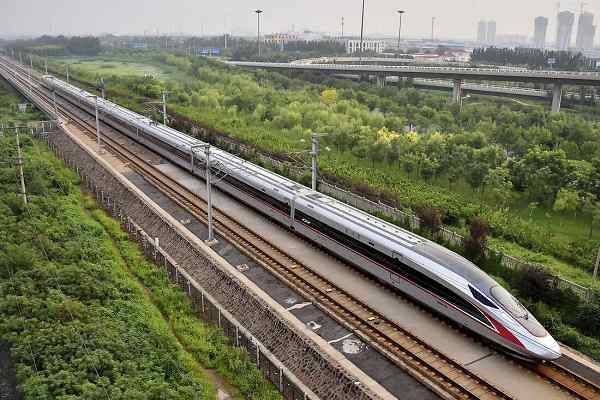 Australia shortlists three firms/consortia for Sydney–Newcastle High Speed Rail Project
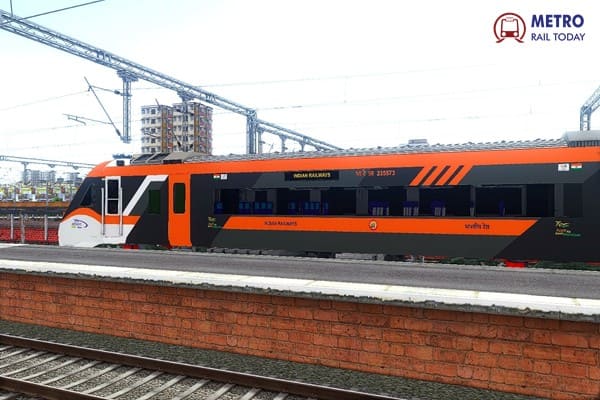 MRVC set to procure 238 AC Vande Metro Trainsets worth ₹19,293 crore from Indian Railways
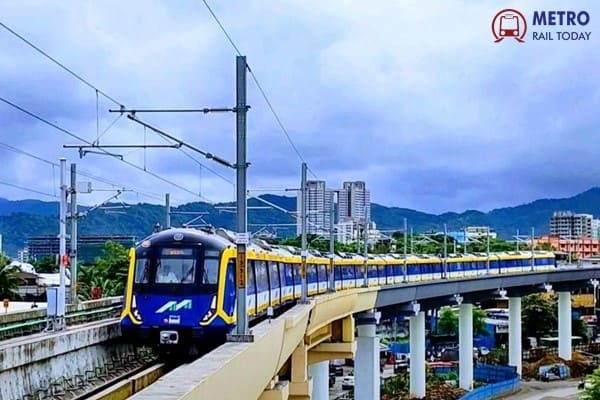 Maharashtra approves ₹17,725 crore Mumbai Metro Line 13 linking Mira-Bhayandar with Vasai-Virar
 Gujarat issues three tenders for 48.38-km Metro-RRTS Hybrid corridors under Ahmedabad Metro Phase 3
DMRC and IDBI Capital appointed consultants to fast-track Hyderabad Metro handover-takeover process
MRT Online Desk
Posted on: 2026-02-03 17:10:00
Viewer: 1,354
Comments: 0
Country: India
City: Hyderabad
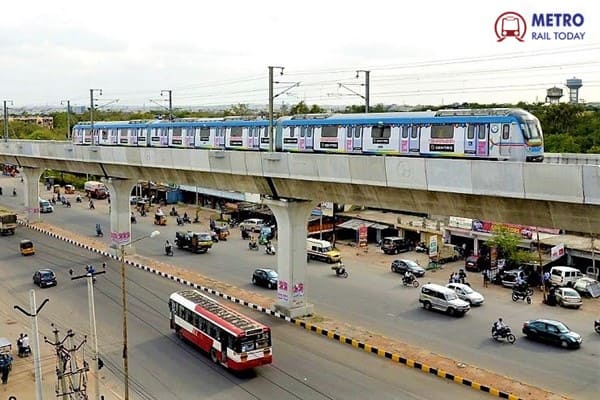
Hyderabad, India (Metro Rail Today): The Telangana government has accelerated efforts to take over the operations of Hyderabad Metro Rail from L&T Metro Limited, signalling a decisive push to expand and modernise the city’s rapid transit network. Chief Secretary K. Ramakrishna Rao has recently chaired a series of high-level meetings with newly appointed consultants IDBI Capital and the Delhi Metro Rail Corporation (DMRC) to fast-track the process.
According to official sources, the consultants have been tasked with submitting their detailed reports by March, following which the state government is expected to allocate funds for land acquisition for Metro Phase 2A and Phase 2B. These steps mark a critical transition phase as the state prepares to assume greater control over metro operations while laying the groundwork for large-scale expansion.
Consultants Appointed for Takeover and Expansion
Last month, the Telangana government formally appointed IDBI Capital as the financial advisor and DMRC as the technical advisor for facilitating the takeover of Hyderabad Metro Rail Phase 1 and guiding the next stage of development. The advisory framework is intended to assess financial viability, asset valuation, operational transition, and technical requirements for future expansion.
The move is also aimed at upgrading existing infrastructure and scaling up services to meet rising urban mobility demand. As part of the expansion strategy, the state plans to procure 60 new metro coaches, strengthening fleet capacity in anticipation of new corridors under Phase 2.
Phase 2A & 2B: A Major Network Expansion
Hyderabad Metro Phase 2A and Phase 2B together span 162 route kilometres, with an estimated investment of ₹42,000 crore. The expanded network is expected to significantly improve east-west and north-south connectivity, decongest arterial roads, and support Hyderabad’s rapid urban and economic growth.
Once the consultants submit their reports, the Union government will take a call on its participation in the project, including potential funding support and approvals under the Metro Rail Policy. Central involvement will be a key determinant in shaping the project’s financing structure and implementation timeline.
Commenting on the development, Mrs. Mamta Shah, Managing Director & CEO, Urban Infra Group, said the state’s approach reflects a broader trend in urban rail governance across India.
“Hyderabad’s move to reassess ownership, operations, and future expansion of its metro system is a timely and strategic decision. A stronger public-sector-led framework, supported by experienced institutions like DMRC and professional financial advisory, can help optimise lifecycle costs and accelerate Phase 2 delivery. This model, if executed well, could offer valuable lessons for other large metro systems in the country,” she said.
Looking Ahead
Hyderabad Metro has long been viewed as a pioneering public-private partnership in India’s metro sector. The proposed takeover and expansion represent a shift toward a more state-driven model, aimed at ensuring long-term sustainability, network integration, and affordability.
With consultant reports expected shortly and funding decisions to follow, the coming months will be crucial in determining how quickly Hyderabad’s next phase of metro expansion moves from planning to execution, shaping the city’s mobility landscape for decades to come.


MRT Online Desk
Metro Rail Today is an authentic and global news provider for the Rail & Metro industry from and around the world.