


Trending Now
 CLW sets Global Benchmark with record 800 Electric Locomotives production in FY 2025–26
 NMRC invites Applications for Key Executive Positions for Noida Metro Rail Project
 Central Govt rejects revised DPR of 7.5 km Noida-Greater Noida Metro Rail Extension Project
 Revised DPR of Prayagraj Metro focuses on seamless Rail-Air connectivity
 DMRC floats Tender for Central Vista Depot Design in Delhi Metro Phase V Expansion
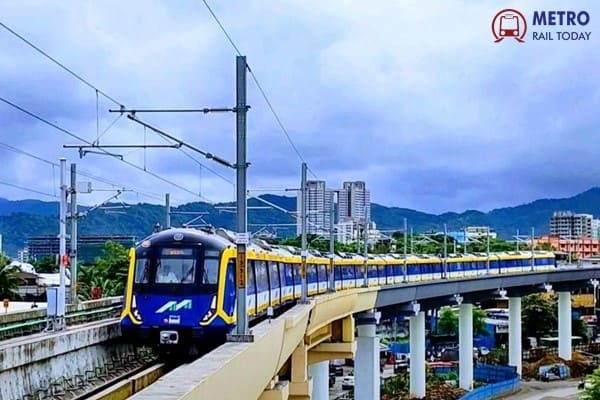 MMRDA seeks ₹14,100 Crore Loan for two upcoming Mumbai Metro Corridors
 Jupiter Wagons Eyes ₹20,000-Crore Mumbai Suburban Mega Rolling Stock Tender
 Mumbai Metro Chief Ashwini Bhide appointed as First Woman BMC Commissioner
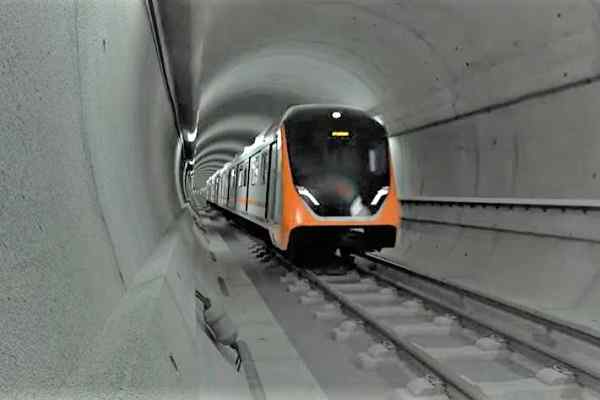 TBM ‘Parvati’ completes Underground Tunnelling on Kanpur Metro Phase 1 Project
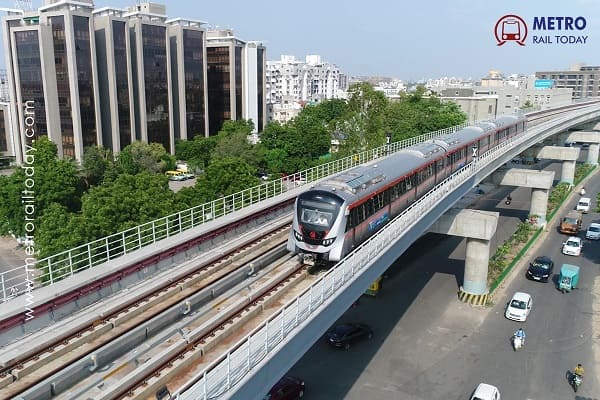 Surat Metro begins First Trial Run on 8.5 km Diamond Corridor between Dream City and Althan Tenement
Govt. of India approves ₹2,954 crore Swargate–Katraj Pune Metro Extension Project
MRT Online Desk
Posted on: 2025-09-05 07:20:00
Viewer: 7,703
Comments: 0
Country: India
City: Pune
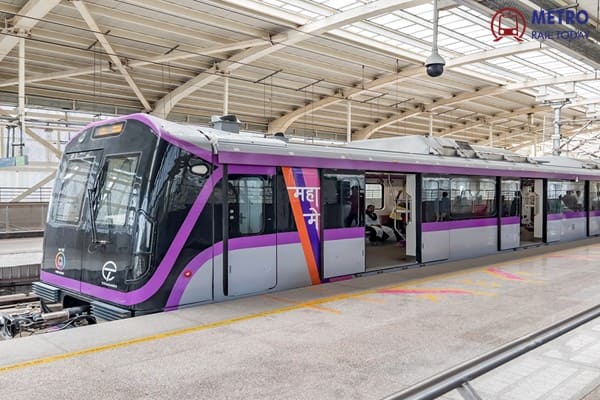
Pune, India (Metro Rail Today): In a landmark move to enhance urban mobility and curb rising congestion, the Union Cabinet, chaired by Prime Minister Narendra Modi, has approved the long-awaited Swargate–Katraj extension of Pune Metro Phase 1. The underground metro stretch, spanning 5.46 km, will be implemented by Maha-Metro at an estimated cost of ₹2,954.53 crore, with project completion targeted by February 2029.
The approval marks a critical advancement for Pune’s mass transit ecosystem, particularly for commuters in the city's southern suburbs. The corridor will extend the existing Phase 1 route from Swargate to Katraj, adding three new underground stations at Market Yard, Bibwewadi, and Balaji Nagar. It is expected to drastically reduce travel time, offer safer commuting options, and provide a reliable alternative to private vehicles.
The project will be financed through joint contributions from the Government of India, Government of Maharashtra, and support from bilateral funding agencies, under a public investment model designed for long-term sustainability.
Sharing her views on this development, Mrs. Mamta Shah, MD & CEO of Urban Infra Group, stated, “The Swargate–Katraj extension represents a visionary step in aligning Pune’s growth with sustainable and inclusive urban development. It connects educational, commercial, and residential hubs, while reinforcing the role of mass rapid transit in shaping the future of Indian cities.”
A key highlight of this extension is its integration with the Swargate Multimodal Hub, which includes the MSRTC bus terminus, PMPML local bus station, and the existing metro line, creating a seamless intermodal transport node for thousands of daily passengers.
Beyond improving commute efficiency, the extension promises to deliver substantial environmental and social benefits:
-
Reduced road congestion and pollution by promoting public transport over private vehicles
-
Safer and faster travel across high-density zones
-
Affordable connectivity for students, office-goers, small business owners, and daily wage workers
-
Boost to real estate and small business ecosystems in southern Pune
The line will offer improved access to popular destinations like Rajiv Gandhi Zoological Park, Taljai hill, educational institutions, shopping zones, and public parks—contributing to enhanced quality of life and ease of living.
According to official projections, daily ridership is expected to surge over time:
-
2027: 95,000 passengers
-
2037: 1.58 lakh
-
2047: 1.87 lakh
-
2057: 1.97 lakh
Maha-Metro has already initiated pre-bid activities, with tender documents for civil and electro-mechanical works currently under preparation. Contracts for the first set of packages are expected to be floated soon.
This underground extension is not just a transport project but a strategic urban transformation initiative. It aligns with India's broader vision of sustainable cities, smart infrastructure, and low-carbon development, reinforcing Pune’s ambition to emerge as a modern, commuter-first metropolis.
As Pune continues to expand rapidly, the Swargate–Katraj Metro extension will be a cornerstone in building accessible, connected, and future-ready urban mobility by 2029

MRT Online Desk
Metro Rail Today is an authentic and global news provider for the Rail & Metro industry from and around the world.