


Trending Now
 Kalpataru-SOMA JV bags ₹1,522 Cr Contract for Delhi Metro's Inderlok–Indraprastha Magenta Line Extn
 Ghaziabad plans New Metro Corridor linking Vaishali to Gokulpuri via Hindon Airport
 Telangana Government takes full control of Hyderabad Metro from L&T in ₹1,461 crore Deal
 R Mohanraja appointed as new Secretary of Railway Board, Ministry of Railways
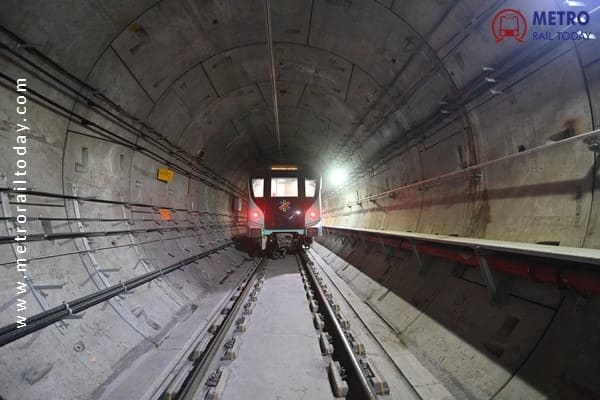 Adani Group's construction arm bags first ₹1,024 crore Civil Contract of Delhi Metro Phase 5
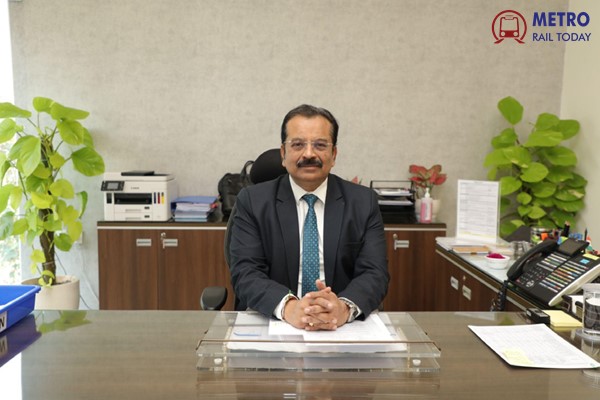 Govt approves permanent absorption of NCRTC Managing Director Shalabh Goel from Indian Railways
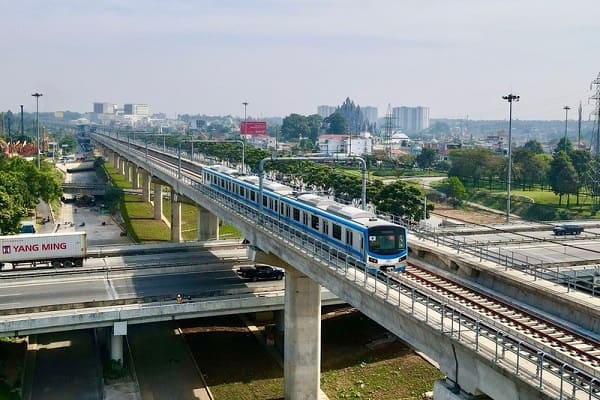 Hyundai Rotem signs $332 million Rolling Stock Contract with Vietnam for Ho Chi Minh City Metro
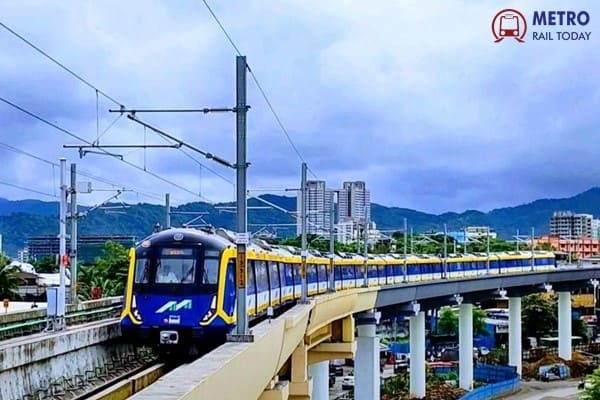 Maharashtra approves ₹18,130 Crore Mumbai Metro Line 5 Expansion & New Line 5A
 Telangana Govt approves ₹13,615 crore IRFC loan to takeover Hyderabad Metro from L&T
 DMRC appoints Sanjay Jamuar as First CEO of Delhi Metro International Limited
India signs $190.6 million loan agreements with ADB for Indore Metro Rail Project
MRT Online Desk
Posted on: 2025-12-01 07:00:00
Viewer: 1,498
Comments: 0
Country: India
City: Indore
New Delhi, India (Metro Rail Today): The Government of India and the Asian Development Bank (ADB) have signed three major loan agreements totalling over $800 million to support infrastructure, mobility and skill development initiatives across Maharashtra, Madhya Pradesh and Gujarat. The agreements, signed in New Delhi, mark a significant step forward in accelerating transformative projects in energy, urban transport and workforce development.
The loan negotiations were led by the Joint Secretary (ADB & Japan), Department of Economic Affairs, with the signing formalities carried out under his guidance. Shri Saurabh Singh, Deputy Secretary at the Department of Economic Affairs, signed the agreements on behalf of the Government of India, while Ms. Mio Oka, Country Director of ADB’s India Resident Mission, represented the development bank.
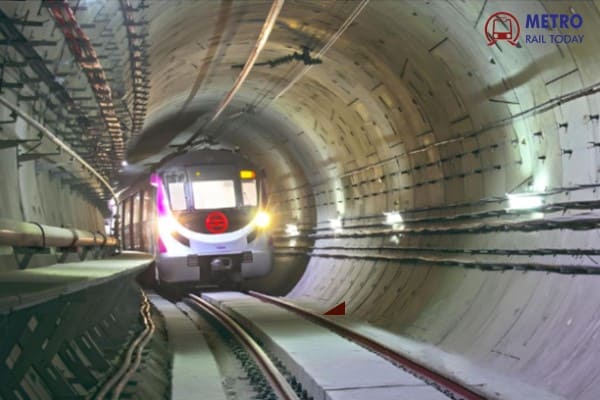
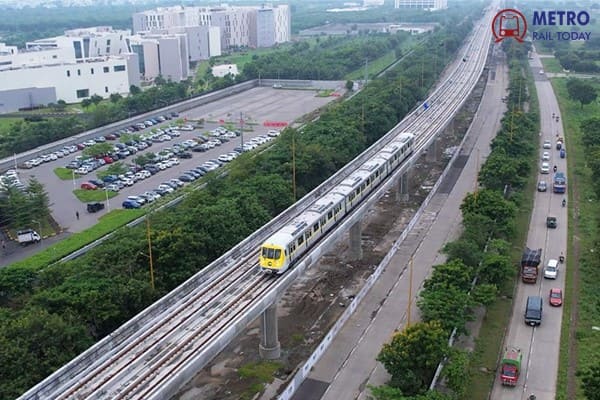
A key highlight of the package is the Japanese Yen-denominated loan of ¥27,147,200,000 (approximately $190.6 million) designated for the Indore Metro Rail Project. This funding will support the construction of an 8.62-km underground section of the Yellow Line, which includes seven stations connecting densely populated central zones of Indore to the Devi Ahilyabai Holkar International Airport. The project will also incorporate multimodal integration with city buses and feeder networks, significantly improving last-mile connectivity for students, professionals and market-bound commuters.
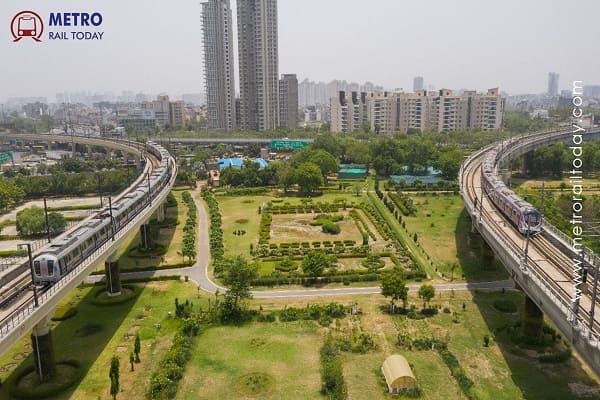
The Madhya Pradesh Metro Rail Corporation Limited will implement this component, with operations targeted to begin by January 2030. When fully completed, the Yellow Line is expected to span 33.53 km across 29 stations, featuring a mix of elevated and underground stretches. The recent approval to further expand the underground alignment in the city centre reflects the increasing focus on modernising transit while minimising surface disruption. Indore Metro has already started partial operations, with a 6 km “Super Priority Corridor” inaugurated on 31 May 2025 by Prime Minister Narendra Modi.
In addition to the metro loan, ADB has extended $500 million for Maharashtra’s Power Distribution Enhancement Programme, aimed at supporting agricultural solarisation and reducing reliance on conventional power sources. A further $109.97 million loan will support Gujarat’s Skills Development Programme, enabling large-scale training initiatives aligned with industry needs and emerging sectors.
Welcoming the development, Mrs. Mamta Shah, MD & CEO, Urban Infra Group, said, “The fresh round of ADB funding demonstrates the global confidence in India’s urban mobility and infrastructure roadmap. The financing for Indore Metro’s underground corridor is particularly significant, as it will reshape mobility in one of India’s fastest-growing cities. Investments of this scale will not only strengthen transit capacity but also accelerate economic activity and urban transformation across multiple states.”
The latest agreements strengthen India’s long-standing partnership with ADB and underline the country’s commitment to expanding sustainable mobility solutions, upgrading energy systems and building a future-ready workforce. As flagship projects such as the Indore Metro progress toward completion, India continues to advance its broader vision of modern, inclusive and climate-resilient infrastructure.


MRT Online Desk
Metro Rail Today is an authentic and global news provider for the Rail & Metro industry from and around the world.