

Trending Now
 Karnataka proposes 270-km RRTS Network linking Bengaluru with Tumakuru, Mysuru and KGF
 Alstom and Vingroup sign MoU to supply up to 200 Metro Trains for Hanoi Urban Rail Projects
 Afcons Infrastructure wins ₹1,383 crore Civil Contract for Lucknow Metro Phase 1B Corridor
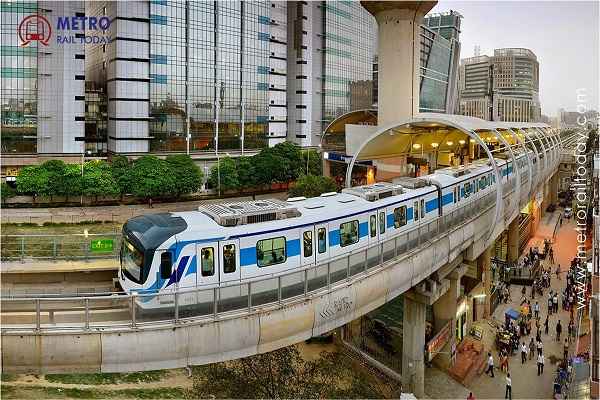 GMRL issues ₹1,662 crore Civil Tender for Sector 9–Cyber City Gurugram Metro Rail Corridor
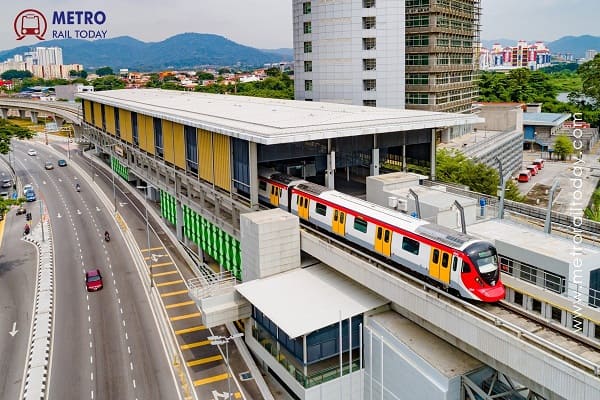 Madrid unveils €1.57 billion Metro Rail Expansion Programme with 27.8 km of New Corridors
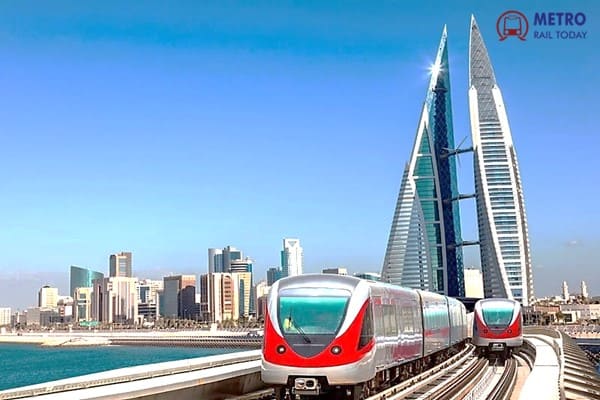 Global Tender launched for Project Management Consultancy for Abu Dhabi Tram Line 4
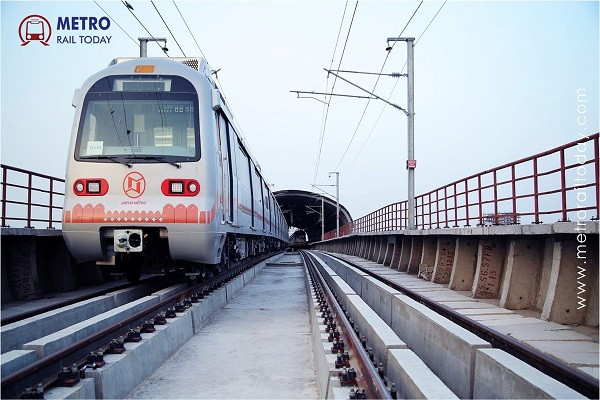 NV Dynamics awarded Noise and Vibration Study contract for Jaipur Metro Phase 2 Project
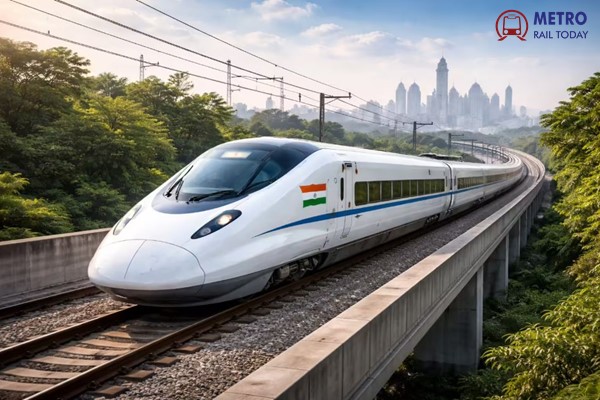 Two global consortia bid for India’s 350 kmph High-Speed Rail Design consultancy contract
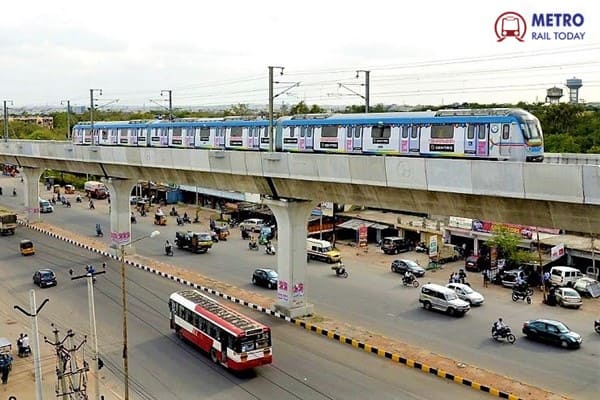 Larsen & Toubro (L&T) extends Hyderabad Metro stake sale timeline to 31 December 2026
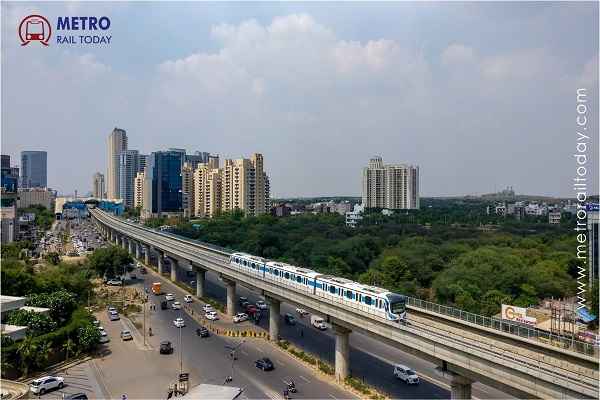 Haryana Govt approves ₹1,662 crore construction tender for Gurugram Metro Phase 2
Kalpataru Projects wins ₹451 crore Third Rail Electrification Contract for Kochi Metro Phase 2
MRT Online Desk
Posted on: 2026-01-27 16:30:00
Viewer: 1,991
Comments: 0
Country: India
City: Kochi
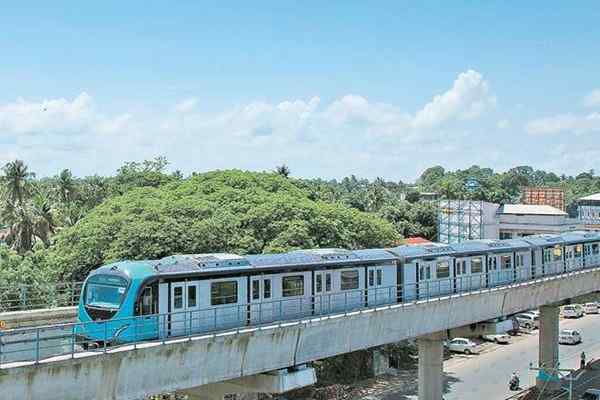
Kochi, India (Metro Rail Today): Kochi Metro Rail Corporation has moved a step closer to advancing Phase 2 of the Kochi Metro project with the declaration of Kalpataru Projects International Ltd as the lowest bidder for the design, supply, installation, testing and commissioning of the Third Rail Traction Electrification System and associated works. The development marks a crucial milestone in the delivery of reliable and energy-efficient traction infrastructure for the upcoming Pink Line corridor.
KMRL had invited bids for the contract with a stipulated completion period of 730 days, reflecting the scale and complexity of the electrification package. Technical bids for the project were opened on 31 October 2025, with three firms submitting their proposals. Following a detailed technical evaluation conducted on 27 January 2026, the financial bids were opened, after which Kalpataru Projects International Ltd was declared the lowest bidder.
As per the financial bid results, Kalpataru quoted a value of ₹451.6 crore, marginally lower than Siemens Limited at ₹457.5 crore and Sterling & Wilson Pvt. Ltd at ₹477 crore. The close competition underscores the strategic importance of the project and the growing focus on advanced metro electrification systems in India.
Scope and Technology for Phase 2
The contract covers design verification, detailed engineering, manufacture, supply, installation, testing and commissioning of a 750 V DC third rail traction electrification system. It also includes the setting up of Auxiliary Sub Stations and associated SCADA systems, which will play a vital role in ensuring safe, reliable and centrally monitored power supply for metro operations.
Phase 2 of the Kochi Metro project is currently under construction and comprises the 11.2 km long Pink Line corridor connecting JLN Stadium to Infopark, with 11 stations planned along the route. Once operational, the corridor is expected to significantly improve connectivity to Kochi’s IT and commercial hubs, easing road congestion and supporting sustainable urban mobility.
Sharing an industry perspective, Mrs. Mamta Shah, MD & CEO of Urban Infra Group, said, “The award of the third rail electrification contract for Kochi Metro Phase 2 reflects the growing sophistication of metro projects in India. Reliable traction power systems are the backbone of any metro network, and timely execution of such packages will be critical in delivering safe, efficient and commuter-centric urban transport solutions.”
Strengthening Urban Rail Infrastructure
Dr. Vinod Shah, Director General of the Indian Chamber of Railway Industries, noted that the project also highlights the strength of Indian infrastructure companies in delivering complex metro systems. “Kochi Metro’s Phase 2 electrification contract demonstrates how domestic players are increasingly capable of executing high-technology rail systems. Such projects strengthen the local supply chain, generate skilled employment and contribute to the long-term sustainability of India’s metro rail ecosystem,” he said.
With civil works progressing across the Pink Line, the finalisation of the traction electrification contractor is expected to accelerate overall project execution. As Kochi continues to expand its metro network to meet rising urban mobility demands, the Phase 2 corridor is poised to play a transformative role in shaping the city’s future public transport landscape.

MRT Online Desk
Metro Rail Today is an authentic and global news provider for the Rail & Metro industry from and around the world.