


Trending Now
 Govt of India allocates ₹628.32 crore additional fund for Patna Metro Rail Project
 Indian parliamentary panel seeks push for indigenous Bullet Train technology & global best practices
 CAG flags major planning and financial irregularities in Bangalore Metro Phase 1 & 2
 Delhi's Indira Gandhi International Airport to build India’s First Driverless Air Train
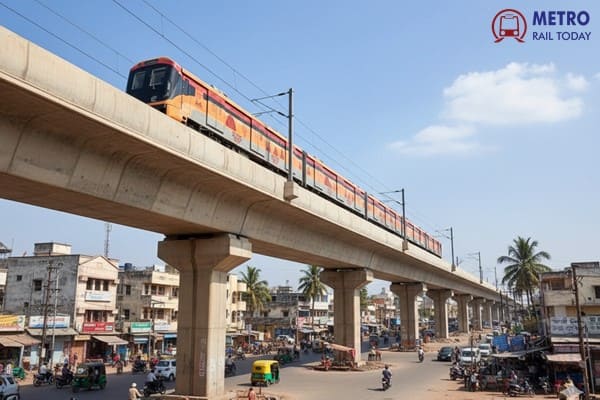 DMRC invites bids for ₹114.24 Crore AFC System Tender for Patna Metro Stations
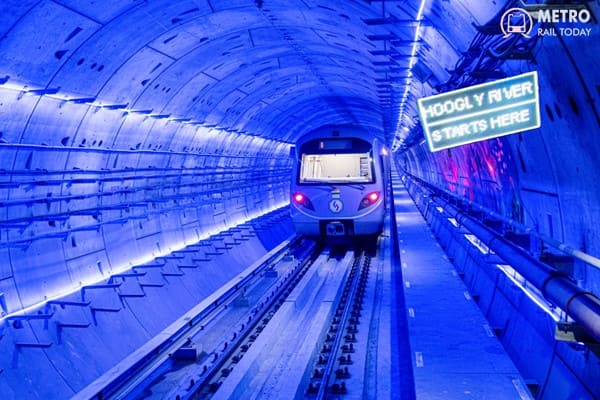 TBM Divya achieves major tunnel breakthrough at Victoria Station on Kolkata Metro’s Purple Line
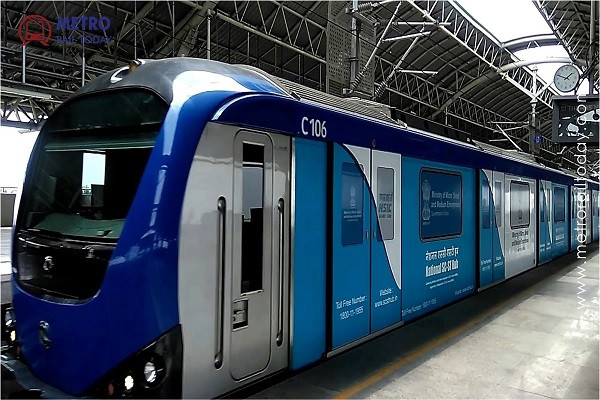 Hitachi Rail wins AFC System Tender for Corridor 3 & 5 of Chennai Metro Phase 2
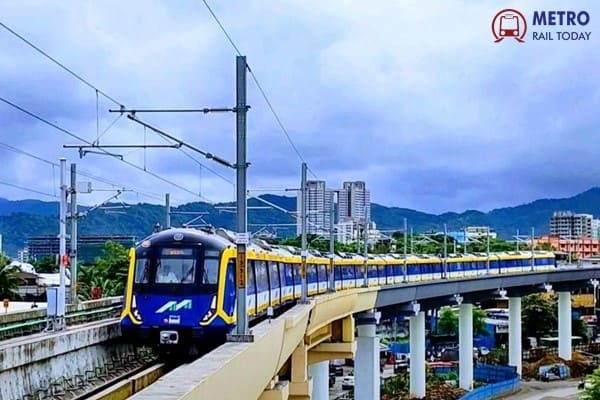 Maharashtra plans ₹4,500 crore Metro Corridor to connect Thane, Mumbra, Diva and Dombivli
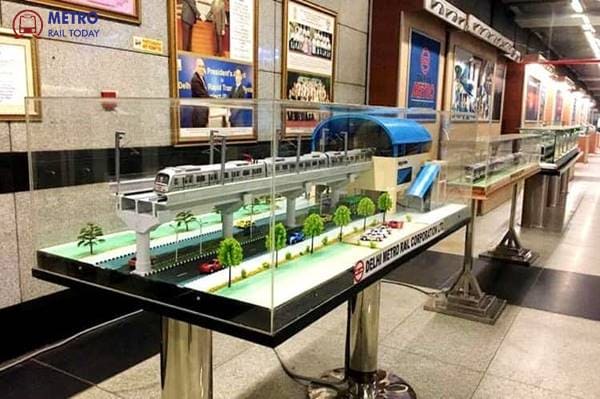 Delhi Metro International Limited sets sights on Global Metro Market with First Overseas Bids
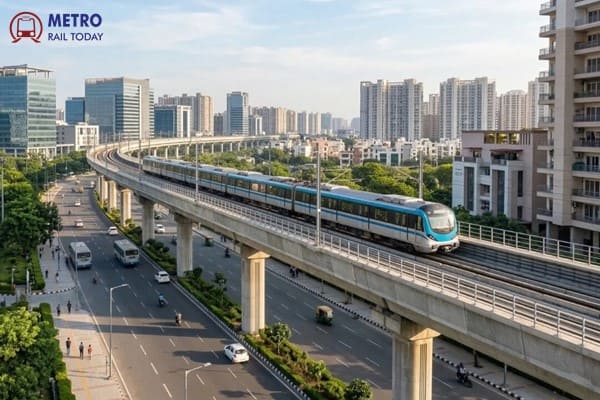 Maha Metro proposes ₹14,520 crore, 58-km Light Metro Rail Network for Nashik
Revolutionizing Urban Transportation: The Rise of Metro Rail Systems in India
Dr. Vinod Shah
Posted on: 2024-05-08 07:15:00
Viewer: 6,857
Comments: 0
Country: India
City: New Delhi
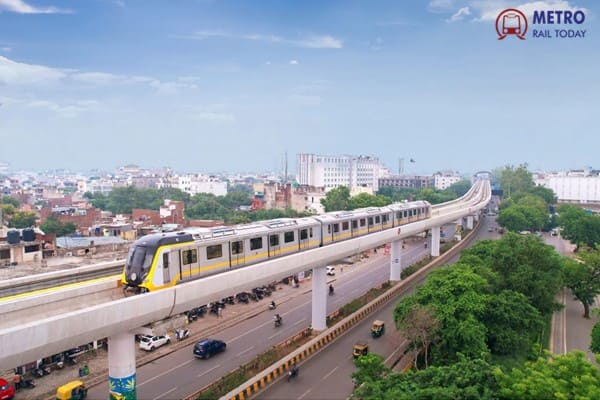
As India undergoes rapid urbanization and embraces clean energy initiatives, the transportation landscape of the country is experiencing a transformative shift. The advent of electric vehicles and the modernization of traditional modes like railways are reshaping city streets and travel patterns. Moreover, the development of robust charging infrastructure and the expansion of domestic air travel capacity underscores the nation's commitment to greener, smarter, and better-connected transportation systems.
The Growing Importance of Metro Rail Systems
In the quest for efficient rapid transit systems, metro rail systems have emerged as a pivotal solution. These systems not only address the challenges of urbanization but also propel India towards achieving its sustainable development goals. With a global surge in demand for sustainable transportation solutions, metro projects have gained prominence for their ability to provide safe, affordable, and environmentally friendly modes of travel.
The Expansion of Metro Networks
India has made significant strides in metro rail development, with 17 operational metro systems across 17 cities as of March 2024. Among these, the Delhi Metro stands out as the largest, boasting an expansive network spanning 902.4 kilometers. These metro networks serve as lifelines, connecting major urban centers and facilitating seamless travel for millions of commuters.
Environmental Benefits of Metro Rail
Metros play a crucial role in curbing pollution and promoting sustainable transportation practices. By offering a safe and affordable alternative to private vehicles, metros encourage commuters to shift towards greener modes of travel, thus reducing emissions and improving air quality. The adoption of electric-powered trains further aligns with India's sustainability objectives, contributing to cleaner air and healthier cities.
Economic and Social Impact
Beyond environmental benefits, metro systems also drive economic growth and social connectivity. By linking vital areas such as business hubs, residential zones, and commercial centers, metros foster economic prosperity and facilitate social interactions. Additionally, metro initiatives generate employment opportunities and stimulate the development of vibrant commercial zones along metro corridors.
Future Prospects and Technological Advancements
With plans for over 1,100 kilometers of operational metro lines, India is poised to boast one of the world's largest metro networks. This expansive network will play a pivotal role in shaping the country's future urban landscape, promoting cleaner and more sustainable transportation practices. Moreover, advancements in technology are revolutionizing the metro experience, enhancing safety, convenience, and eco-friendliness for commuters.
Sustainable Practices and Technological Innovations
Indian metro projects prioritize energy conservation and environmental sustainability. Metro stations are increasingly adopting solar power and implementing eco-friendly practices such as rainwater harvesting and green building principles. Furthermore, the integration of advanced technologies like Communication-Based Train Control (CBTC) and Automatic Train Control (ATC) systems is optimizing train operations and minimizing human errors.
Remarkable Engineering Achievements
Indian metro projects stand as remarkable engineering achievements, showcasing the nation's leadership in technological and innovative infrastructure development. The recent launch of the underwater metro in Kolkata, with RITES as a consultancy partner for the East-West corridor, exemplifies India's prowess in executing complex and ambitious transportation projects.
Conclusion
India's metro rail systems are at the forefront of an exhilarating era of urban transportation. As technology continues to advance, we can expect further breakthroughs that will elevate the metro experience and ensure enhanced safety, convenience, and eco-friendliness for commuters. By prioritizing sustainability, embracing technological innovations, and fostering economic growth, India's metro networks are paving the way for greener and more efficient cities.


Dr. Vinod Shah
Dr. Vinod Shah is an experienced urban transport journalist, blogger and key opinion leader.