


Trending Now
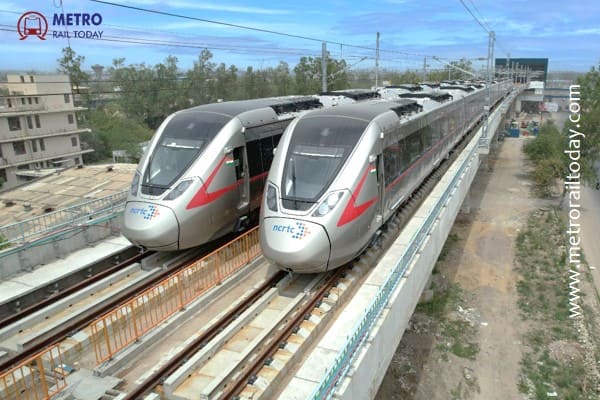 Karnataka proposes 270-km RRTS Network linking Bengaluru with Tumakuru, Mysuru and KGF
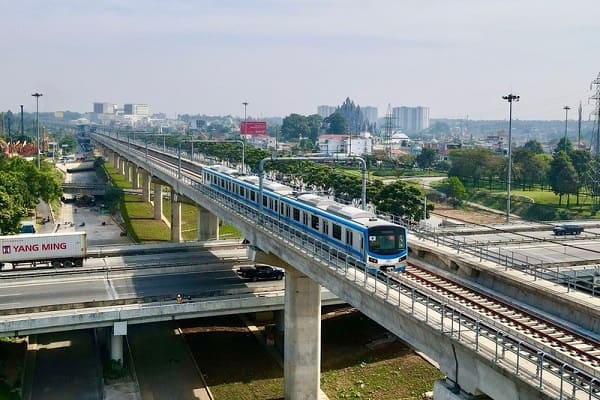 Alstom and Vingroup sign MoU to supply up to 200 Metro Trains for Hanoi Urban Rail Projects
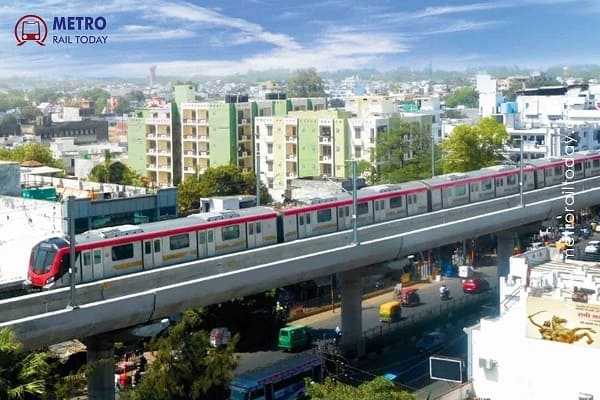 Afcons Infrastructure wins ₹1,383 crore Civil Contract for Lucknow Metro Phase 1B Corridor
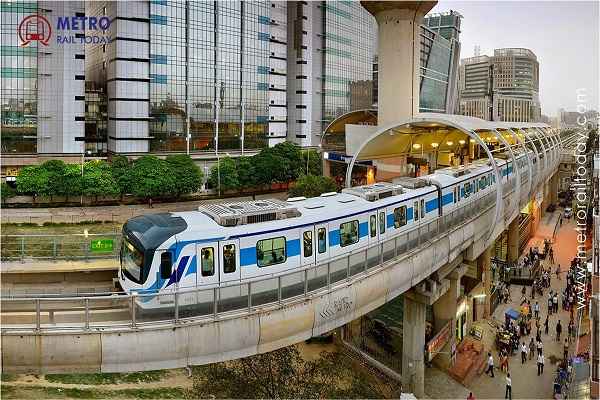 GMRL issues ₹1,662 crore Civil Tender for Sector 9–Cyber City Gurugram Metro Rail Corridor
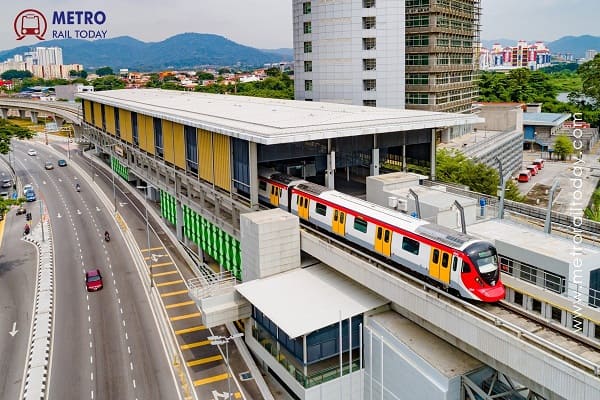 Madrid unveils €1.57 billion Metro Rail Expansion Programme with 27.8 km of New Corridors
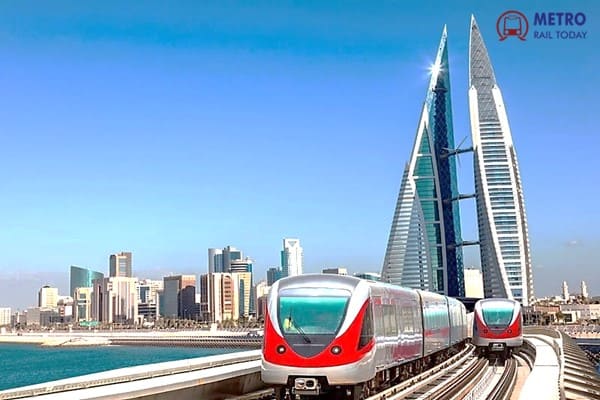 Global Tender launched for Project Management Consultancy for Abu Dhabi Tram Line 4
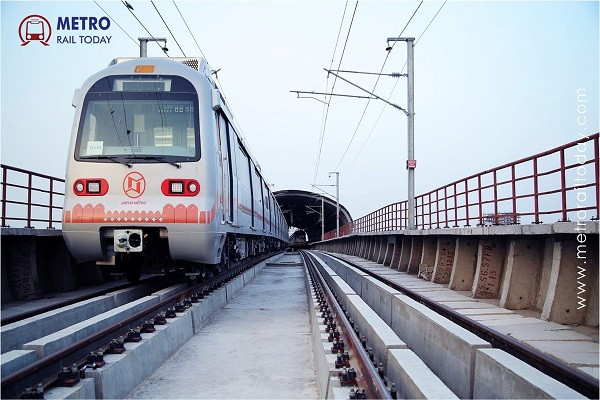 NV Dynamics awarded Noise and Vibration Study contract for Jaipur Metro Phase 2 Project
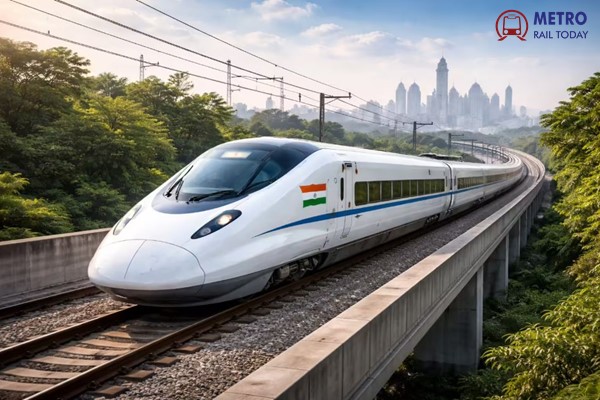 Two global consortia bid for India’s 350 kmph High-Speed Rail Design consultancy contract
 Larsen & Toubro (L&T) extends Hyderabad Metro stake sale timeline to 31 December 2026
 Haryana Govt approves ₹1,662 crore construction tender for Gurugram Metro Phase 2
TDC Contracting bags ₹92.10 Crore E&M Systems Contract for Chennai Metro Phase 2 Corridor 3
MRT Online Desk
Posted on: 2026-03-09 09:20:00
Viewer: 1,925
Comments: 0
Country: India
City: Chennai
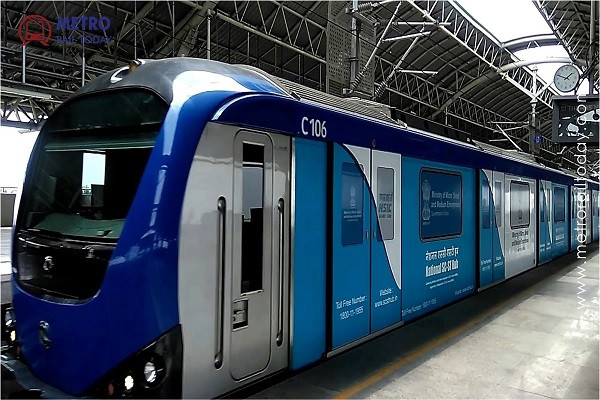
Chennai, India (Metro Rail Today): Chennai Metro Rail Limited (CMRL) has awarded a ₹92.10 crore contract to TDC Contracting Private Limited for the supply, installation, testing, commissioning, and training of key electro-mechanical (E&M) systems across nine elevated stations on Corridor-3 of the Chennai Metro Phase II project.
The contract, issued under Award No. CMRL/PHASE-II/SYS/C3-E&M-07/2025, was formally awarded on 6 March 2026 and carries a completion period of 1,490 days. The contract value of ₹92,10,45,357.44 includes GST.
The awarded package covers the 9.6 km viaduct stretch between chainage 35044.000 and 44671.000, extending from Sholinganallur Lake Metro Station to SIPCOT 2 Station.
Under the contract, TDC Contracting will execute the design, supply, installation, testing, commissioning, and training for several critical station systems, including:
-
Electrical systems
-
Fire alarm and detection systems
-
Fire fighting infrastructure
-
Ventilation and air conditioning (VAC) systems
-
Building Management System (BMS)
The scope also includes the stabling lines associated with this section, which will support train berthing and maintenance operations for the corridor.
These systems are essential to ensure passenger safety, environmental comfort, and integrated operational control across the stations once the corridor becomes operational.
CMRL had invited bids for the contract through IFB No. CMRL/PHASE-II/SYS/C3-E&M-07 dated 21 March 2025, with the tender floated on the Government e-procurement portal.
Technical bids were opened on 24 July 2025, and all four participating bidders were declared technically responsive.
Financial bids were opened on 22 December 2025, and after evaluation completed on 6 March 2026, TDC Contracting Private Limited emerged as the lowest bidder (L1).
The financial bid comparison showed the following results:
-
TDC Contracting Pvt. Ltd. – ₹92.10 crore (L1 – awarded)
-
Toyota Tsusho India Pvt. Ltd. – ₹104.66 crore
-
Universal MEP Projects & Engineering Services Ltd. – ₹118.24 crore
-
Jakson Limited – ₹132.05 crore
Although some bidders offered discounts on their quoted prices during evaluation, TDC Contracting’s base bid of ₹74.66 crore (excluding GST) remained the most competitive.
The contract award was approved and signed by CMRL’s Director (Systems and Operation).
Commenting on the development, Mrs. Mamta Shah, MD & CEO, Urban Infra Group, said that timely deployment of station systems plays a crucial role in ensuring the operational readiness of large metro projects.
“Electro-mechanical systems form the backbone of modern metro infrastructure, ensuring safety, passenger comfort, and efficient station operations. Packages such as fire safety, ventilation, and building management systems are critical components that enable metro stations to function as integrated and technologically advanced transport hubs,” she said.
She added that the Chennai Metro Phase II project is expected to significantly strengthen urban mobility across the city while supporting the rapid growth of its IT and industrial corridors.
The Sholinganallur Lake–SIPCOT 2 section lies along Old Mahabalipuram Road (OMR), one of Chennai’s most important economic corridors and widely known as the city’s IT and technology hub.
The corridor serves several IT parks, educational institutions, residential townships, and industrial clusters, making it one of the highest potential ridership zones in the Chennai Metro Phase II network.
The inclusion of stabling lines in this section will also support the operational readiness and maintenance requirements of trains running on Corridor-3.

MRT Online Desk
Metro Rail Today is an authentic and global news provider for the Rail & Metro industry from and around the world.