


Trending Now
 DMRC appoints Sanjay Jamuar as First CEO of Delhi Metro International Limited
 India launches first High Speed Bullet Train Manufacturing Complex in Bengaluru
 Spain investigates CAF’s role in Jerusalem Light Rail Project amid Human Rights allegations
 Dr. Amit Kumar Jain conferred Delhi CM’s Award 2026 for driving Digital Innovation in Urban Mobility
 UAE Approves AED 34 Billion First Fully Underground Dubai Metro Gold Line Project
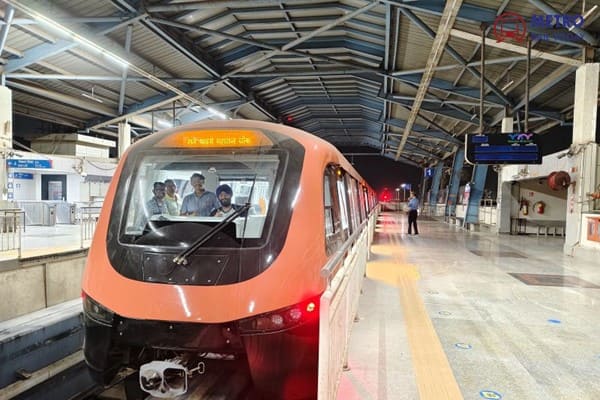 Power Mech Projects bags ₹296 crore O&M Contract for Mumbai Monorail Project
 Spain’s Hyperloop Startup Zeleros files for Insolvency amid funding crunch
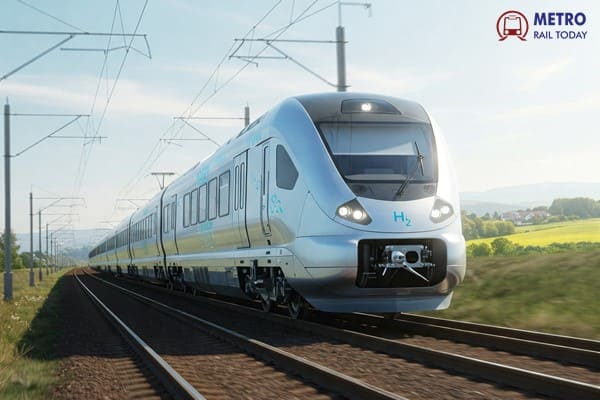 Siemens Mobility bags €325 Million Hydrogen Train Contract from Romania
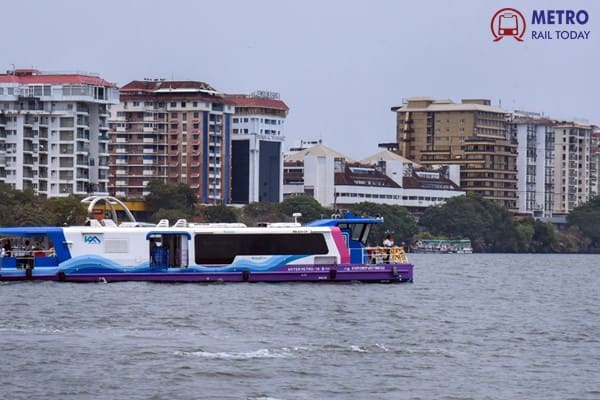 MMRDA issues PMC tender for Mumbai Water Metro Phase 1 Project
 IRFC 2.0: Financing India’s Rail Revolution with a New-Age Infrastructure Funding Model
Telangana allocates ₹1,100 crore for Hyderabad Metro Expansion in 2026–27 Budget
MRT Online Desk
Posted on: 2026-03-23 08:10:00
Viewer: 1,339
Comments: 0
Country: India
City: Hyderabad
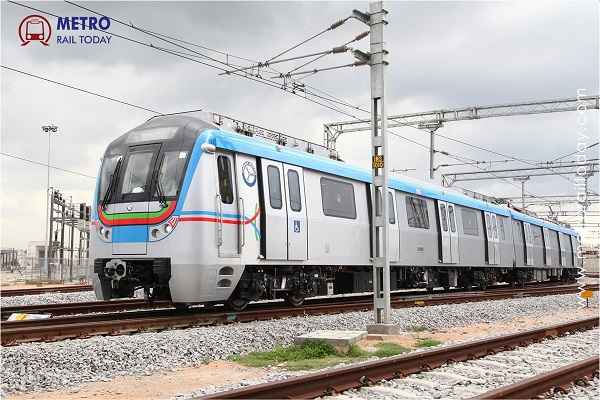
Hyderabad, India (Metro Rail Today): The Telangana government has earmarked ₹1,100 crore for the Hyderabad Metro Rail project in the 2026–27 state budget, reinforcing its commitment to expanding urban rail connectivity in the rapidly growing metropolitan region. The announcement was made by Deputy Chief Minister and Finance Minister Mallu Bhatti Vikramarka during the presentation of the state budget.
Out of the total allocation, ₹600 crore has been designated for Hyderabad Metro Rail Phase-II, while ₹500 crore will be extended as loans to Hyderabad Metro Rail Limited (HMRL) to support ongoing implementation and expansion initiatives.
The minister also confirmed that the Hyderabad Metro project, including its expansion and future connectivity plans, will be taken over by the state government, marking a significant shift in the project’s management and financing structure.
Focus on Metro Phase-II and Old City Connectivity
The funding will primarily support the advancement of Hyderabad Metro Phase-II, which aims to extend the network into underserved areas and strengthen connectivity across key urban corridors. Among the major priorities is the long-awaited Old City Metro corridor, a critical project intended to connect the historic southern parts of Hyderabad with the rest of the city’s rapid transit system.
To facilitate land acquisition for this corridor, the government has announced compensation of ₹65,000 per square yard for affected properties, a move expected to accelerate project implementation in the densely populated Old City area.
Commenting on the development, Mrs. Mamta Shah, MD & CEO, Urban Infra Group, said, “The Telangana government’s strong financial commitment to Hyderabad Metro Phase-II highlights the growing recognition of metro systems as essential infrastructure for large urban economies. Strategic investments like this will not only enhance mobility but also support sustainable urban development and economic growth around transit corridors.”
Airport Connectivity and IT Corridor Relief
The budget allocation also supports the development of a 31-kilometre fast-track metro corridor from Raidurg to Hyderabad Airport, a key project designed to improve connectivity between the city’s IT hub and the Rajiv Gandhi International Airport.
This corridor is expected to significantly reduce travel time for commuters and professionals working in Hyderabad’s technology districts, while also easing traffic congestion along one of the busiest road corridors in the city.
Metro Network Aligned with Economic Growth Strategy
The Telangana government is also aligning the metro expansion with its Core Urban Region Economy (CURE) framework, which aims to promote transit-oriented development across the metropolitan region.
Under this approach, economic hubs will be developed around metro stations located within the Outer Ring Road, focusing on high-growth sectors such as artificial intelligence, global capability centres (GCCs), and research and development facilities. The strategy seeks to integrate urban mobility infrastructure with economic development by encouraging business clusters and innovation ecosystems near major transit nodes.
Driving the Next Phase of Hyderabad’s Urban Mobility
Hyderabad Metro, already one of India’s largest metro networks, has played a key role in transforming urban mobility across the city. With Phase-II expansion and new corridors under development, the system is expected to further strengthen connectivity between residential areas, business districts, and key infrastructure such as the international airport.
The ₹1,100 crore allocation in the 2026–27 budget signals the state government’s intent to accelerate metro expansion while positioning Hyderabad as a future-ready, transit-oriented metropolitan hub.

MRT Online Desk
Metro Rail Today is an authentic and global news provider for the Rail & Metro industry from and around the world.