

Trending Now
 Afcons Infrastructure wins ₹1,383 crore Civil Contract for Lucknow Metro Phase 1B Corridor
 GMRL issues ₹1,662 crore Civil Tender for Sector 9–Cyber City Gurugram Metro Rail Corridor
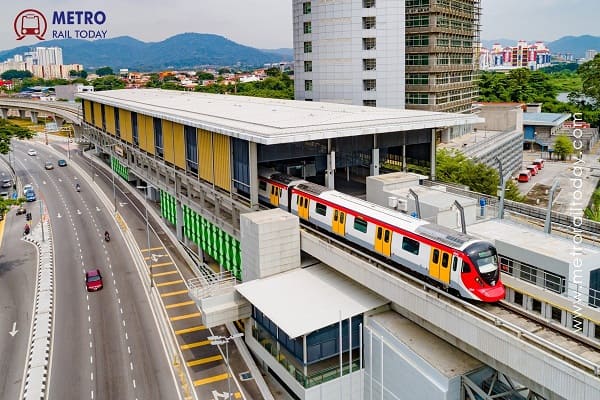 Madrid unveils €1.57 billion Metro Rail Expansion Programme with 27.8 km of New Corridors
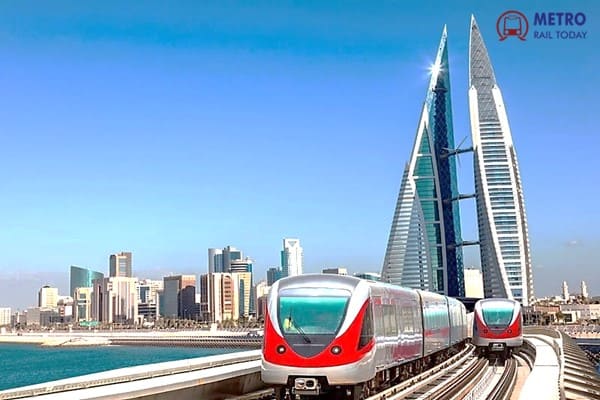 Global Tender launched for Project Management Consultancy for Abu Dhabi Tram Line 4
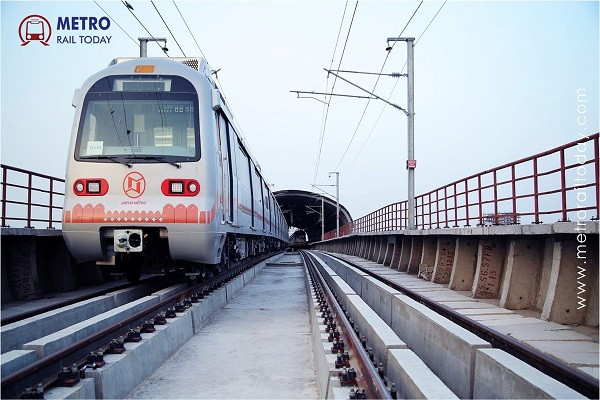 NV Dynamics awarded Noise and Vibration Study contract for Jaipur Metro Phase 2 Project
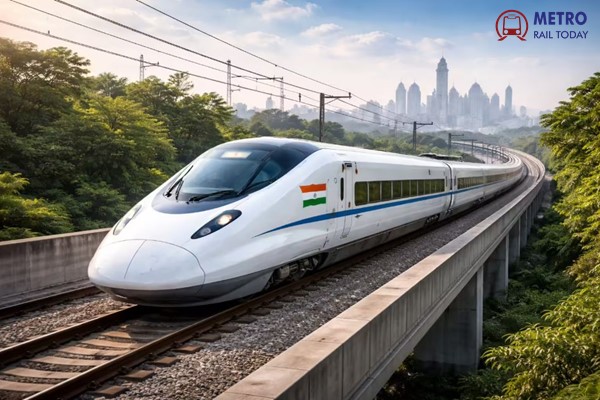 Two global consortia bid for India’s 350 kmph High-Speed Rail Design consultancy contract
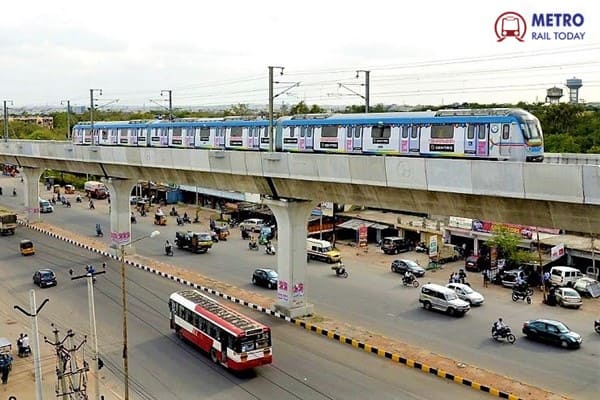 Larsen & Toubro (L&T) extends Hyderabad Metro stake sale timeline to 31 December 2026
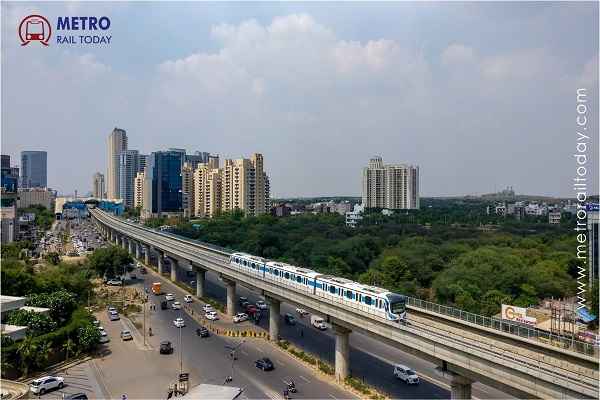 Haryana Govt approves ₹1,662 crore construction tender for Gurugram Metro Phase 2
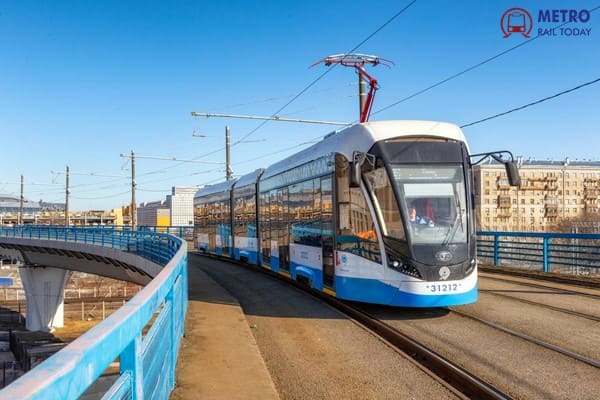 Hyundai Rotem Targets Fully Autonomous Hydrogen Trams by 2031
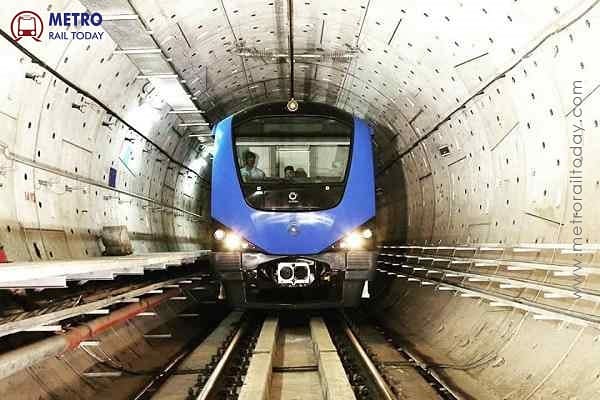 TBM Kaveri records Tunnel Breakthrough at KMC Station for Chennai Metro Phase 2
Siemens Mobility bags €325 Million Hydrogen Train Contract from Romania
MRT Online Desk
Posted on: 2026-04-21 15:15:00
Viewer: 2,110
Comments: 0
Country: Romania
City: Bucharest
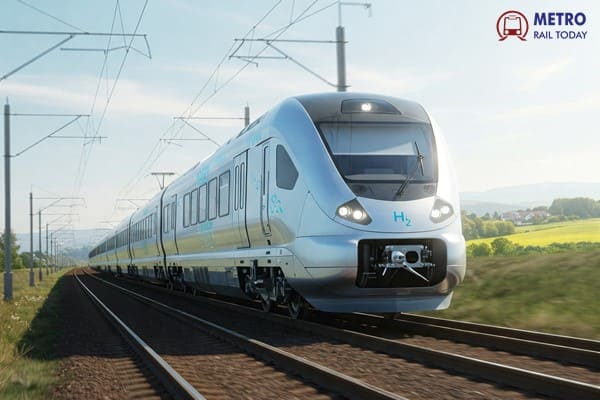
Bucharest, Romania (Metro Rail Today): Romania’s state rail authority, Autoritatea pentru Reformă Feroviară (ARF), has awarded a €325 million contract to Siemens Mobility for the supply of 12 hydrogen-powered multiple units, marking a significant step in the country’s transition towards cleaner rail transport. The contract, signed on April 15, includes a comprehensive 30-year maintenance agreement and comes after three previously unsuccessful tender attempts.
The order covers Siemens’ Mireo Plus H hydrogen trainsets, which will be deployed on non-electrified public service obligation (PSO) routes, including key corridors such as Bucharest–Pitești and Bucharest–Târgoviște. Additional routes include the Bucharest–Henri Coandă Airport line and the Curtea de Argeș corridor, expanding the reach of hydrogen-powered mobility across Romania’s rail network.
Breakthrough After Multiple Tender Setbacks
The contract award concludes a prolonged procurement process that faced repeated challenges. Two earlier tenders were cancelled due to a lack of bidder participation, while a third was scrapped after receiving a non-compliant submission. In the final round, a Siemens-led consortium—comprising Siemens Mobility SRL, Siemens Mobility GmbH and Siemens Mobility Austria GmbH—emerged as the sole bidder.
Despite limited competition, the successful closure of the tender marks a breakthrough for ARF in advancing its alternative traction strategy, particularly for routes where electrification may not be immediately viable.
Commenting on the development, Mrs. Mamta Shah, MD & CEO, Urban Infra Group, said, “The adoption of hydrogen-powered trains by Romania reflects a growing global shift towards sustainable rail solutions, especially for non-electrified corridors. Such projects demonstrate how emerging technologies can bridge the gap between decarbonisation goals and operational feasibility.”
Hydrogen Chosen Over Electrification and Battery Options
ARF’s decision to opt for hydrogen traction highlights a strategic preference for zero-emission solutions that do not require extensive infrastructure upgrades. Hydrogen trains offer the advantage of operating on existing tracks without the need for overhead electrification, making them particularly suitable for regional and low-density routes.
However, the choice also comes amid ongoing debates across Europe, where some countries are increasingly favouring battery-electric alternatives due to cost and efficiency considerations.
Funding Challenges After Loss of EU Support
A key challenge for the project remains financing. ARF had initially secured funding under the European Union’s Post-Pandemic Recovery and Resilience Facility (PNRR), which imposes strict timelines for fund utilisation. Due to delays in finalising the contract, this funding was lost prior to the award.
The Romanian authority is now actively seeking alternative financing sources to support the procurement, adding a layer of financial complexity to the project’s implementation.
A Step Toward Greener Rail Mobility
Despite the funding setback, the contract represents a significant milestone in Romania’s efforts to modernise its rail fleet and reduce carbon emissions. The deployment of hydrogen multiple units is expected to enhance service quality on regional routes while contributing to broader European climate goals.
As countries worldwide explore alternatives to diesel traction, Romania’s hydrogen train initiative adds to the growing list of pilot and large-scale deployments shaping the future of sustainable rail transport.

MRT Online Desk
Metro Rail Today is an authentic and global news provider for the Rail & Metro industry from and around the world.