

Trending Now
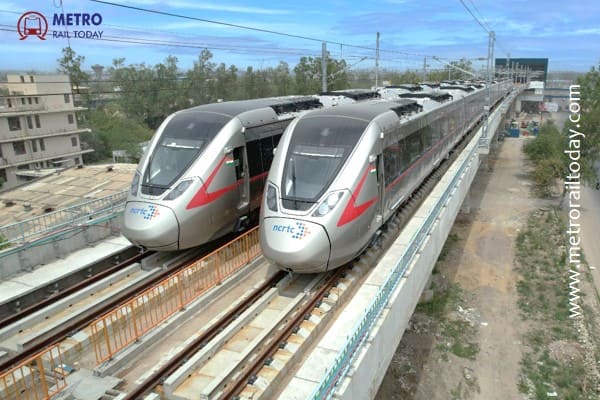 Karnataka proposes 270-km RRTS Network linking Bengaluru with Tumakuru, Mysuru and KGF
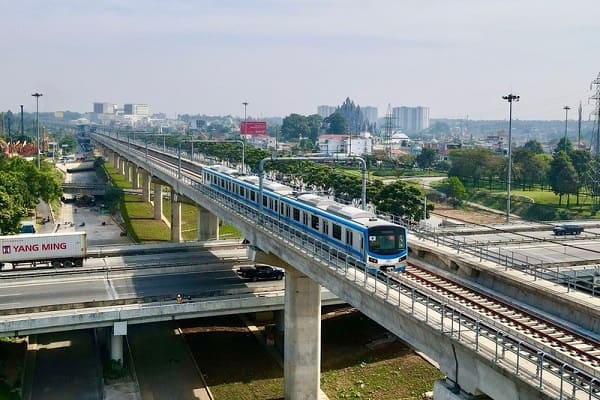 Alstom and Vingroup sign MoU to supply up to 200 Metro Trains for Hanoi Urban Rail Projects
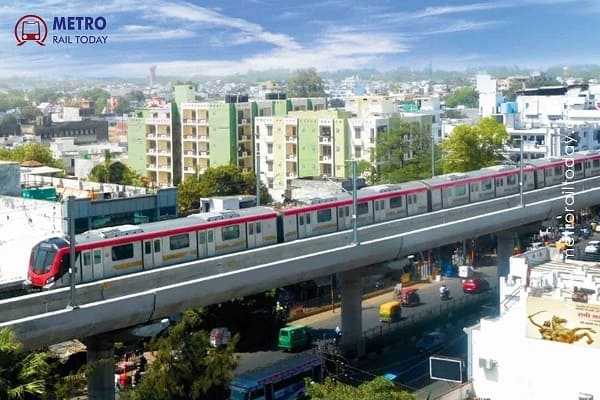 Afcons Infrastructure wins ₹1,383 crore Civil Contract for Lucknow Metro Phase 1B Corridor
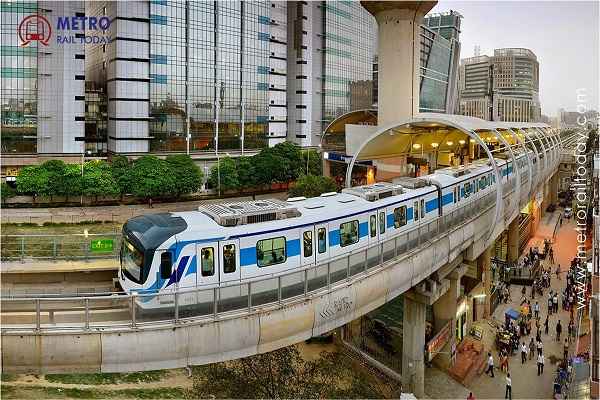 GMRL issues ₹1,662 crore Civil Tender for Sector 9–Cyber City Gurugram Metro Rail Corridor
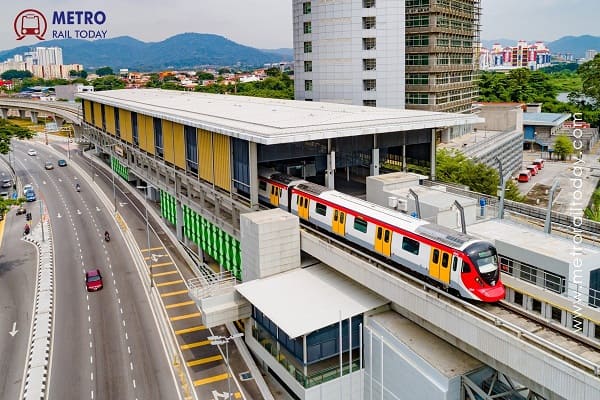 Madrid unveils €1.57 billion Metro Rail Expansion Programme with 27.8 km of New Corridors
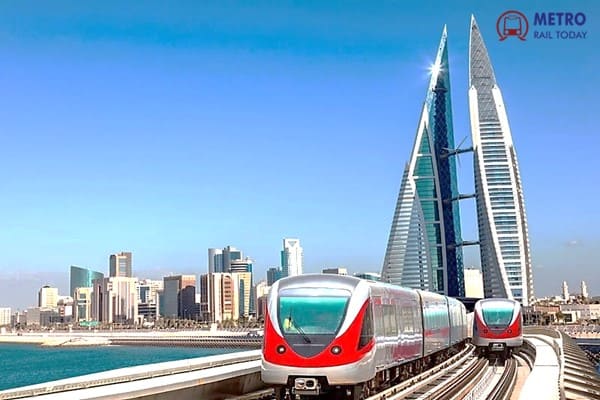 Global Tender launched for Project Management Consultancy for Abu Dhabi Tram Line 4
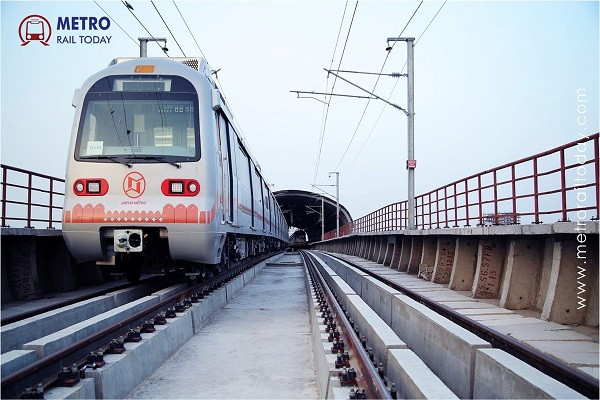 NV Dynamics awarded Noise and Vibration Study contract for Jaipur Metro Phase 2 Project
 Two global consortia bid for India’s 350 kmph High-Speed Rail Design consultancy contract
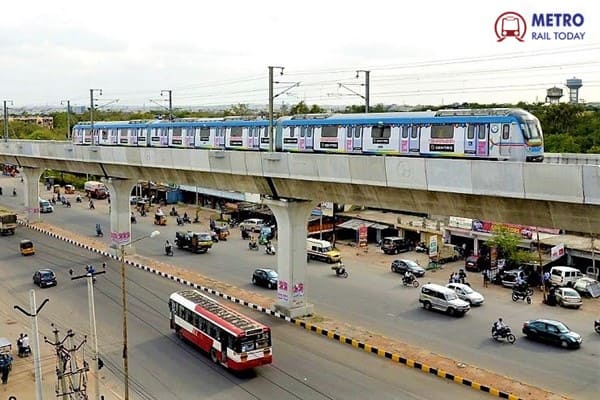 Larsen & Toubro (L&T) extends Hyderabad Metro stake sale timeline to 31 December 2026
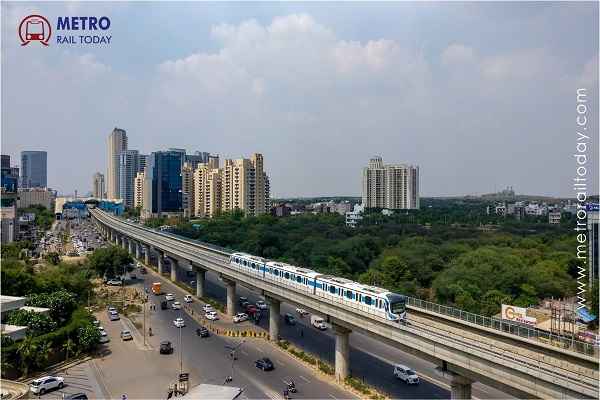 Haryana Govt approves ₹1,662 crore construction tender for Gurugram Metro Phase 2
Alstom acquires Cummins Hydrogen Fuel Cell Unit to strengthen Hydrogen Train portfolio
MRT Online Desk
Posted on: 2026-04-07 14:10:00
Viewer: 2,083
Comments: 0
Country: France
City:
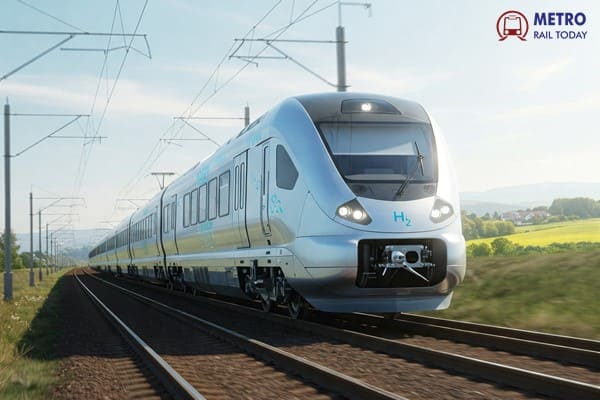
Saint Ouen, France (Metro Rail Today): Alstom has announced the acquisition of Cummins Inc.’s hydrogen fuel cell division, marking a significant step in strengthening its capabilities in hydrogen-powered rail solutions. The deal includes the transfer of engineering, product development and support capabilities used in the production and maintenance of hydrogen fuel cells for railway applications. The financial details of the transaction have not been disclosed.
The acquisition builds on Cummins’ earlier purchase of Canadian firm Hydrogenics in 2019 for $290 million, through which it had entered the hydrogen fuel cell segment. Over the years, Alstom has been a key customer for Hydrogenics and Cummins, utilising their fuel cell systems in its hydrogen train platforms.
Enhancing Reliability and Lifecycle Support
With this move, Alstom aims to bring critical fuel cell expertise in-house, ensuring better control over product performance, reliability and long-term maintenance of its hydrogen-powered train fleet. The company has deployed these fuel cells across multiple hydrogen train models, including the widely recognised Coradia iLint.
Commenting on the acquisition, Danny Di Perna, Executive Vice President and Chief Operating Officer at Alstom, stated that integrating these capabilities will help the company enhance reliability and meet its commitments to customers across key European markets such as Germany, Italy and France.
Germany currently operates a fleet of 41 Coradia iLint hydrogen trains, while Alstom is executing orders for 14 Coradia Stream H units for Italy’s FNM and 12 Regiolis H2 trainsets for French regions. The acquisition is expected to support these ongoing and future deployments by strengthening technical and maintenance capabilities.
Offering her perspective, Mrs. Mamta Shah, MD & CEO, Urban Infra Group, said, “Alstom’s acquisition reflects a strategic shift toward consolidating critical clean technology capabilities within core operations. As the rail industry transitions toward low-emission alternatives, control over key components like hydrogen fuel cells will be essential for ensuring performance, reliability and scalability. This move reinforces the importance of innovation-led partnerships and vertical integration in advancing sustainable mobility solutions.”
Hydrogen vs Battery: The Technology Debate Continues
Despite its promise as a zero-emission alternative to diesel, hydrogen rail technology has faced growing scrutiny in recent years. Concerns over cost, efficiency and infrastructure requirements have led several European countries to increasingly favour battery-electric trains for non-electrified routes.
Alstom itself faced challenges last year when it had to pause certain hydrogen rolling stock developments following the withdrawal of government financial support. However, the company maintains that hydrogen remains a viable and sustainable solution, particularly for longer routes where battery limitations persist.
In this context, the acquisition signals Alstom’s continued commitment to hydrogen as a key pillar of its decarbonisation strategy, even as the broader industry evaluates multiple clean propulsion technologies.
Positioning for the Future of Sustainable Rail
As global rail operators push toward decarbonisation, the competition between hydrogen and battery technologies is intensifying. Alstom’s latest move underscores its intent to remain at the forefront of hydrogen innovation by securing control over a vital component of its technology stack.
The acquisition not only enhances Alstom’s operational capabilities but also positions the company to better address evolving market demands, regulatory pressures and customer expectations in the transition toward greener rail transport systems worldwide.

MRT Online Desk
Metro Rail Today is an authentic and global news provider for the Rail & Metro industry from and around the world.