


Trending Now
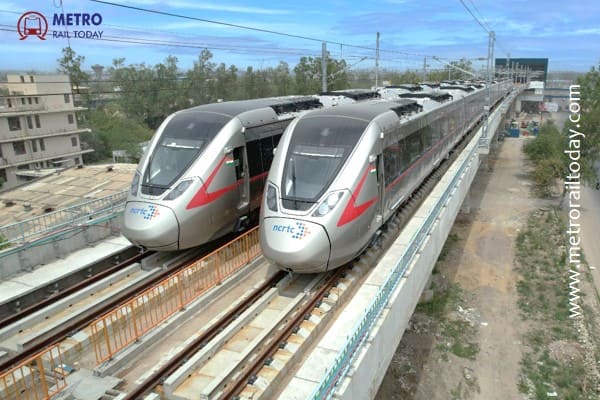 Karnataka proposes 270-km RRTS Network linking Bengaluru with Tumakuru, Mysuru and KGF
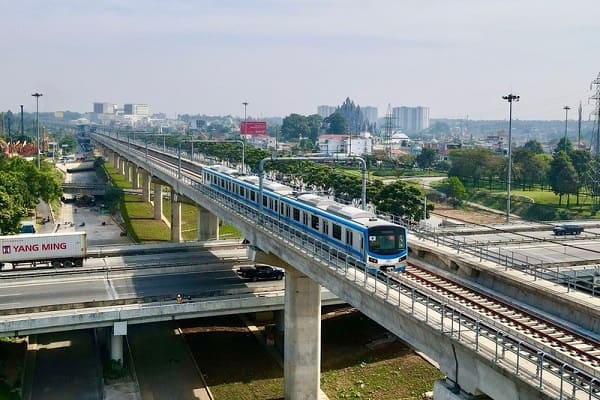 Alstom and Vingroup sign MoU to supply up to 200 Metro Trains for Hanoi Urban Rail Projects
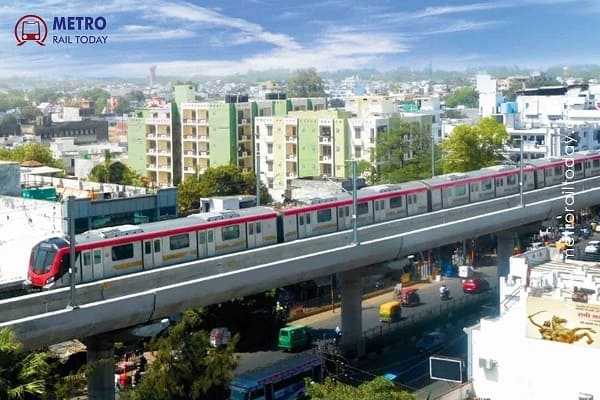 Afcons Infrastructure wins ₹1,383 crore Civil Contract for Lucknow Metro Phase 1B Corridor
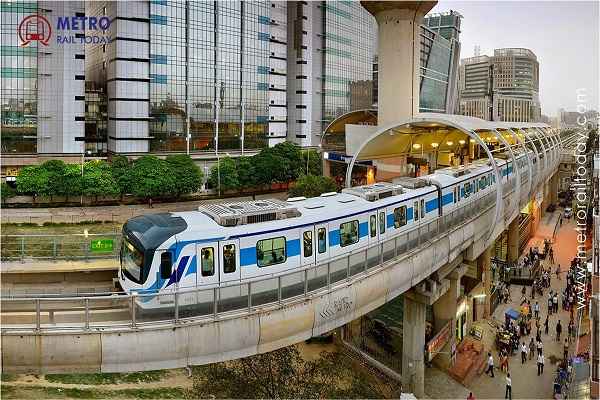 GMRL issues ₹1,662 crore Civil Tender for Sector 9–Cyber City Gurugram Metro Rail Corridor
 Madrid unveils €1.57 billion Metro Rail Expansion Programme with 27.8 km of New Corridors
 Global Tender launched for Project Management Consultancy for Abu Dhabi Tram Line 4
 NV Dynamics awarded Noise and Vibration Study contract for Jaipur Metro Phase 2 Project
 Two global consortia bid for India’s 350 kmph High-Speed Rail Design consultancy contract
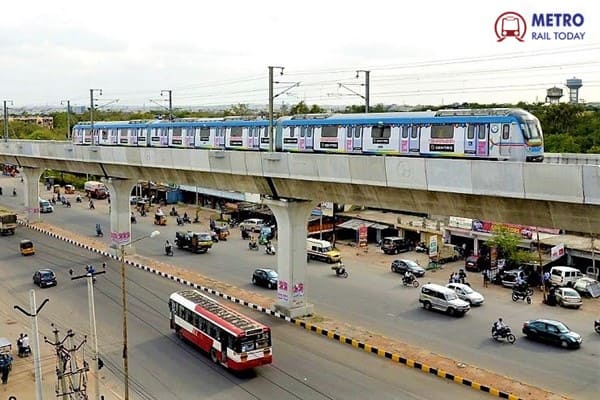 Larsen & Toubro (L&T) extends Hyderabad Metro stake sale timeline to 31 December 2026
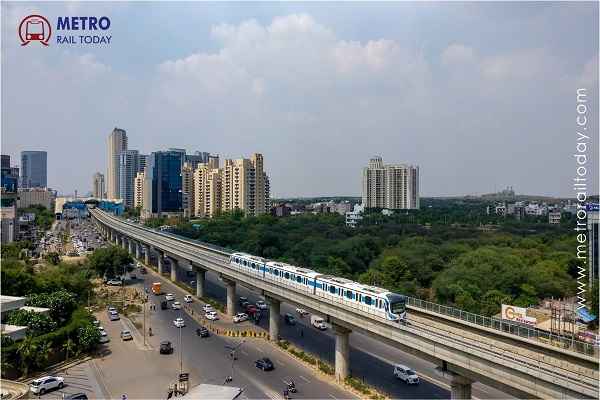 Haryana Govt approves ₹1,662 crore construction tender for Gurugram Metro Phase 2
NCRTC to appoint General Consultant for Delhi–Panipat–Karnal Namo Bharat RRTS Corridor
MRT Online Desk
Posted on: 2026-05-15 16:05:00
Viewer: 4,106
Comments: 0
Country: India
City: New Delhi
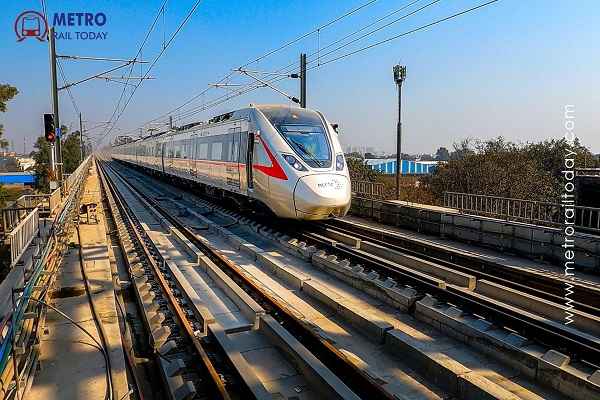
New Delhi, India (Metro Rail Today): The National Capital Region Transport Corporation (NCRTC) has invited international bids for the appointment of a General Consultant (GC) for the upcoming Delhi–Panipat–Karnal Namo Bharat Corridor, marking another significant milestone in the expansion of India’s regional rapid transit network.
The tender reflects NCRTC’s continued push to strengthen high-speed regional connectivity across the National Capital Region (NCR) through the Namo Bharat transit system, which is being developed as a modern, fast, and integrated public transportation network.
International Tender Floated Under Competitive Bidding Process
The tender, issued under reference number DK/GC/COR-OF/026, follows an International Competitive Bidding (ICB) process using a single-stage two-packet system. The selected consultant will support NCRTC in the planning, design review, construction supervision, and overall project execution of the Delhi–Panipat–Karnal corridor.
The project carries a completion period of 56 months, highlighting the long-term and large-scale nature of the assignment.
According to tender details, the pre-bid meeting has been scheduled for May 26, 2026, while bid submissions will be accepted between June 11 and June 18, 2026. Technical bids are slated to be opened on June 19, 2026. The tender also requires a bid security amount of ₹5 crore.
Consultant to Oversee Planning and Construction
The appointed General Consultant will play a critical role in ensuring technical quality, project monitoring, and timely execution of the regional rapid transit corridor.
The consultancy scope includes design verification, construction supervision, project management support, monitoring of civil and systems works, and coordination among multiple contractors and stakeholders involved in the project.
Industry experts note that the role of General Consultants has become increasingly important in large-scale transit infrastructure projects, particularly those involving advanced technologies, multi-package construction, and integrated transport systems.
Expanding the Namo Bharat Network in North India
The Delhi–Panipat–Karnal corridor forms part of NCRTC’s broader vision to expand the Namo Bharat regional rapid transit network beyond the currently under-construction Delhi–Meerut corridor.
The proposed route will connect Delhi with key urban and industrial centres in Haryana, including Sonepat, Gannaur, Samalkha, Panipat, and Karnal. Once operational, the corridor is expected to significantly reduce travel time, ease highway congestion, and provide a high-speed alternative for daily commuters travelling between Delhi and Haryana.
The project is also expected to support economic growth, industrial connectivity, and regional development across the northern NCR region.
Mrs. Mamta Shah, MD & CEO of Urban Infra Group, said, “The expansion of the Namo Bharat network towards Panipat and Karnal reflects the growing importance of regional rapid transit systems in addressing intercity mobility challenges. Such corridors will play a transformative role in reducing congestion, promoting sustainable transport, and supporting balanced regional development in North India.”
Building Future-Ready Regional Transit Infrastructure
NCRTC’s Namo Bharat initiative is being positioned as a next-generation regional mobility solution featuring high-speed trains, advanced signalling systems, modern stations, and multimodal integration.
The success of the Delhi–Meerut RRTS corridor has already accelerated planning for additional regional transit corridors connecting major NCR cities and satellite towns.
The Delhi–Panipat–Karnal project is expected to become another crucial component of this expanding network, enhancing public transport accessibility while reducing dependence on private vehicles and road transport.
As India continues investing heavily in metro rail, rapid transit, and semi-high-speed transport infrastructure, projects like the Namo Bharat corridors are expected to redefine regional mobility and strengthen sustainable urbanisation across major economic zones.

MRT Online Desk
Metro Rail Today is an authentic and global news provider for the Rail & Metro industry from and around the world.