

Trending Now
 Karnataka proposes 270-km RRTS Network linking Bengaluru with Tumakuru, Mysuru and KGF
 Alstom and Vingroup sign MoU to supply up to 200 Metro Trains for Hanoi Urban Rail Projects
 Afcons Infrastructure wins ₹1,383 crore Civil Contract for Lucknow Metro Phase 1B Corridor
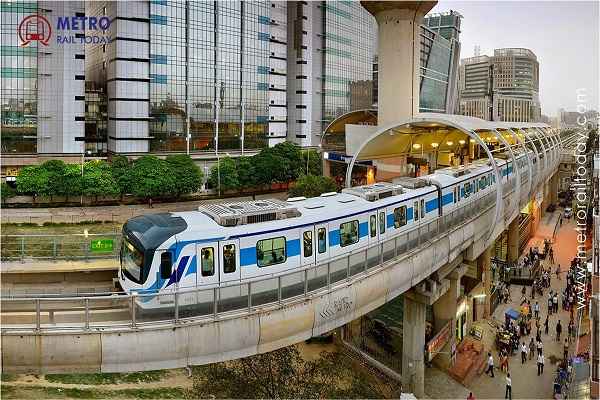 GMRL issues ₹1,662 crore Civil Tender for Sector 9–Cyber City Gurugram Metro Rail Corridor
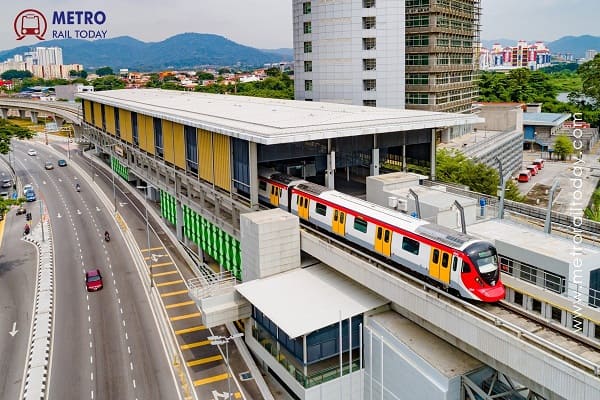 Madrid unveils €1.57 billion Metro Rail Expansion Programme with 27.8 km of New Corridors
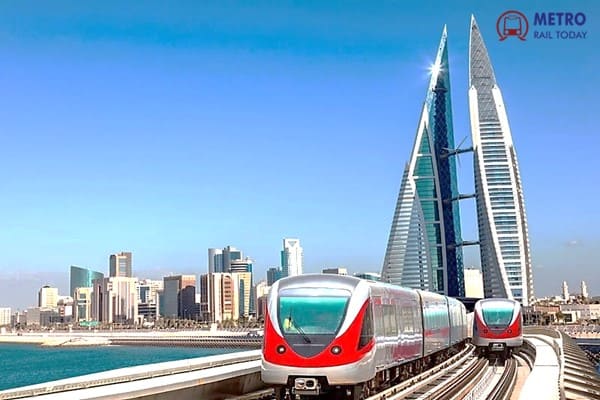 Global Tender launched for Project Management Consultancy for Abu Dhabi Tram Line 4
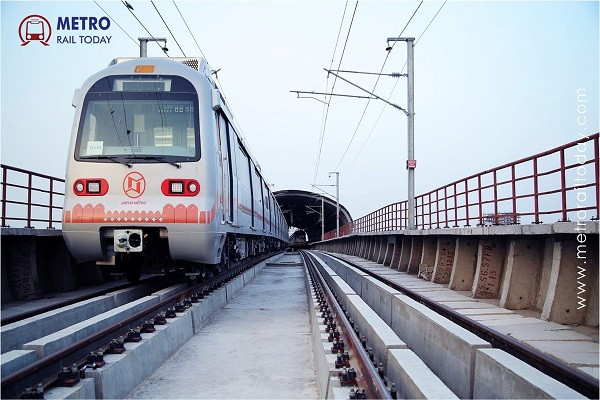 NV Dynamics awarded Noise and Vibration Study contract for Jaipur Metro Phase 2 Project
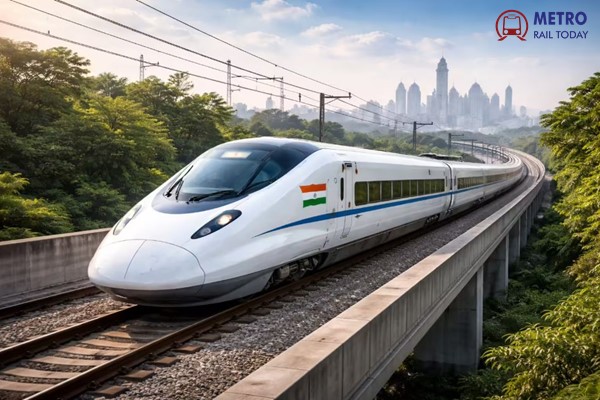 Two global consortia bid for India’s 350 kmph High-Speed Rail Design consultancy contract
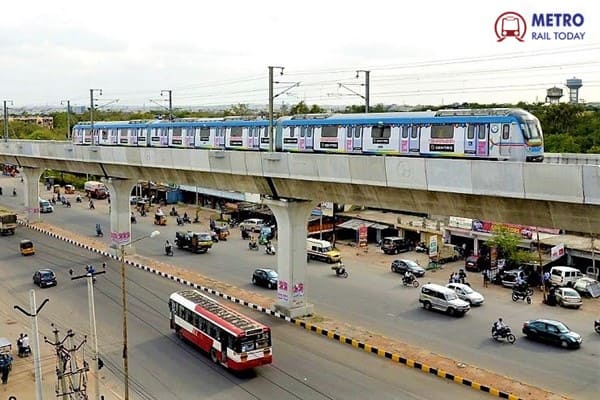 Larsen & Toubro (L&T) extends Hyderabad Metro stake sale timeline to 31 December 2026
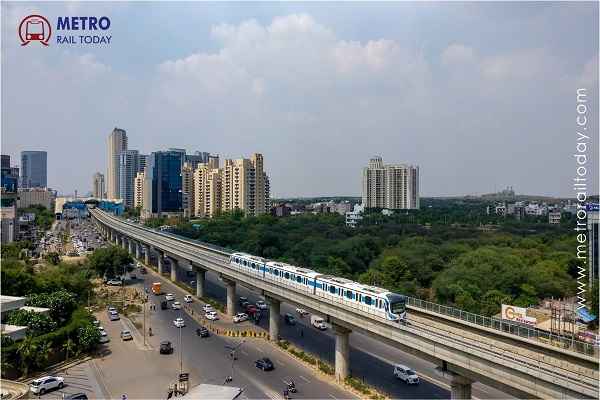 Haryana Govt approves ₹1,662 crore construction tender for Gurugram Metro Phase 2
Gurugram explores Feasibility Study for Autonomous Pod Taxi System to boost Last-Mile Connectivity
MRT Online Desk
Posted on: 2026-04-17 16:15:00
Viewer: 1,489
Comments: 0
Country: India
City: Gurgaon

Gurugram, India (Metro Rail Today): In a move aimed at tackling congestion and improving last-mile connectivity, the Gurugram Metropolitan Development Authority (GMDA) is considering the introduction of a new-age pod transit system in the city. The authority is likely to undertake a feasibility survey and detailed traffic study to identify high-density corridors suitable for deployment of this innovative mobility solution.
The proposal was discussed during a high-level meeting between GMDA officials and representatives from Suzuki Motor Corporation and Glydways, a US-based pod taxi technology developer. GMDA CEO P.C. Meena indicated that the authority will evaluate the suitability of such systems to complement existing public transport infrastructure and address Gurugram’s growing mobility challenges.
Autonomous, On-Demand Transit Model
The pod taxi system under consideration is based on a network of small, electric, autonomous vehicles that provide private, on-demand rides at a cost comparable to public bus fares. Designed as a disaggregated transport model, the system operates using mini-car-sized pods running on dedicated lanes, either individually or in coordinated groups.
The solution, being developed by Glydways in collaboration with Suzuki, aims to optimise vehicle utilisation while reducing infrastructure and operational costs. It offers a flexible and sustainable alternative to conventional mass transit systems, particularly for first- and last-mile connectivity.
Commenting on the development, Mrs. Mamta Shah, MD & CEO, Urban Infra Group, said, “Exploring pod-based transit systems reflects the growing need for flexible and technology-driven mobility solutions in urban areas. Such systems can effectively complement existing metro and bus networks by addressing last-mile connectivity gaps, which are often the weakest link in urban transport ecosystems.”
Focus on Decongestion and Smart Mobility
The discussions also focused on leveraging innovative transport technologies to ease traffic congestion in Gurugram, one of the most densely populated and rapidly growing urban centres in the National Capital Region. GMDA has been actively working on enhancing mobility through improved traffic management, infrastructure upgrades and strengthening public transport systems.
The introduction of pod taxis aligns with the broader vision of creating a sustainable, commuter-friendly and future-ready transport ecosystem in the city.
PPP Model and Corridor Identification Under Consideration
Earlier this week, representatives from Suzuki and Glydways also presented the concept to the Haryana Chief Minister in Chandigarh. Key aspects discussed included feasibility, potential corridors, route planning, investment frameworks and implementation through a Public-Private Partnership (PPP) model.
The proposed feasibility study will play a crucial role in determining the viability of the system, including cost implications, ridership potential and integration with existing transport networks.
As cities across India explore smarter and more efficient mobility solutions, Gurugram’s initiative reflects a willingness to adopt innovative technologies to address persistent urban transport challenges. If found viable, the pod taxi system could become a key component of the city’s evolving multimodal transport network, offering commuters a seamless and efficient travel experience.

MRT Online Desk
Metro Rail Today is an authentic and global news provider for the Rail & Metro industry from and around the world.