

Trending Now
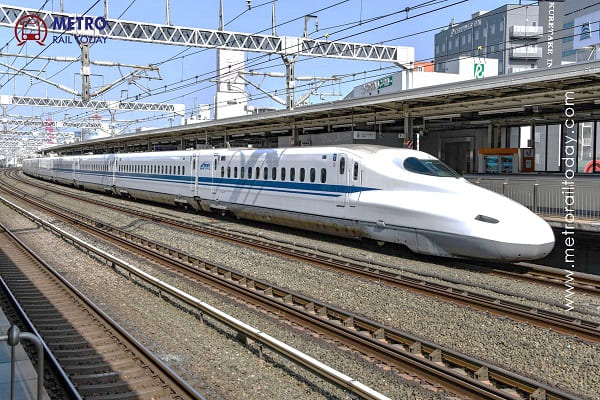
 Siemens Bags Order from Titagarh Rail Systems for Pune Metro Extension Trainsets
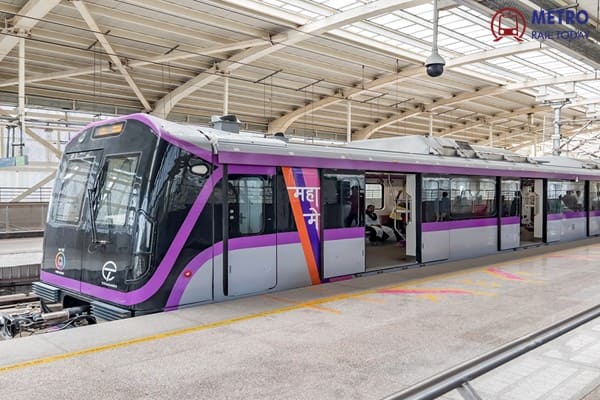
 Titagarh Rail Systems becomes Corporate Member of Chamber of Railway Industries (Rail Chamber)
 World Bank approves ₹1,400 crore Civil Tender for Gurugram Metro Phase 2
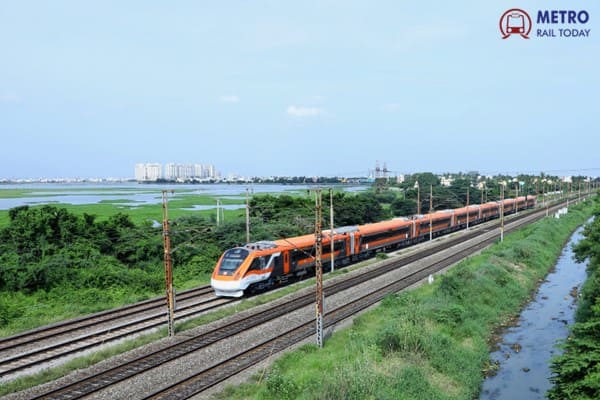 Bi-RIDE invites ₹200 crore Tender for Soladevanahalli Depot of Bengaluru Suburban Rail Project
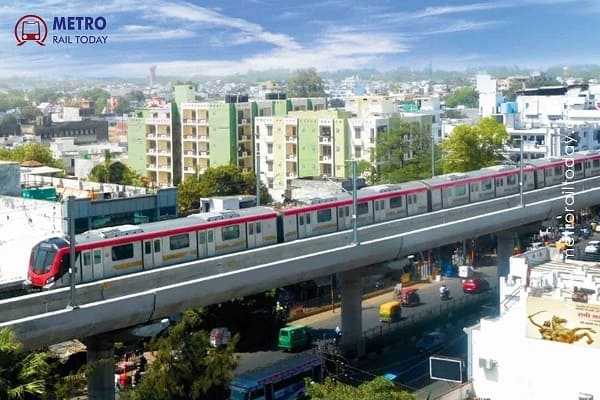 GHV India awarded ₹107.79 crore Civil Contract for Lucknow Metro East-West Corridor
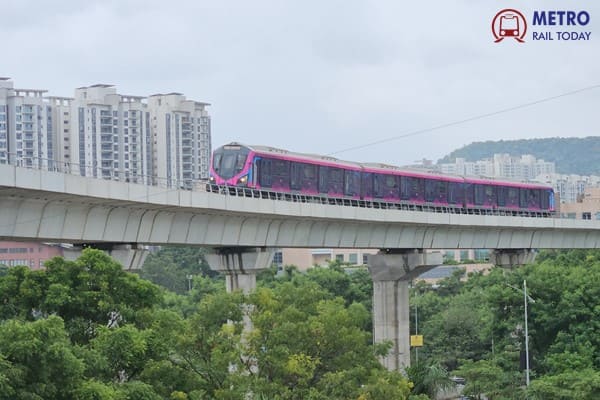 Pune Metro Line 3 set to launch First 12-km Section on 15 July 2026
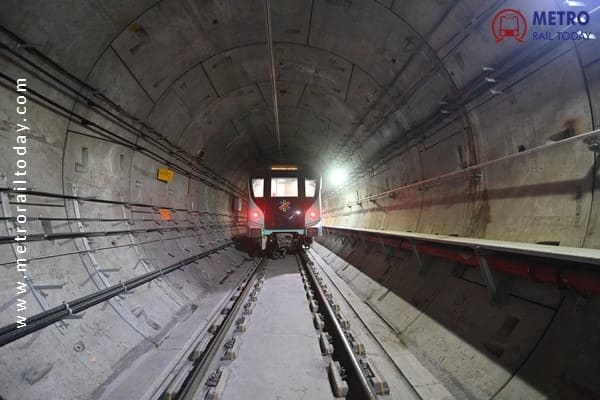 DMRC gets approval to Fell or Transplant 364 Trees for Central Vista Metro Corridor under Phase IV
 ₹4.5 Lakh crore Metro Rail Investment reaches less than 5% of Urban Population in India
 West Bengal plans to launch Water Metro Systems in Kolkata
- Titagarh Rail Systems targets full Indigenous Aluminium Coach Manufacturing by FY2027
DPR submitted for 671 km Hyderabad–Pune–Mumbai High-Speed Rail Corridor
MRT Online Desk
Posted on: 2026-05-14 09:05:00
Viewer: 2,763
Comments: 0
Country: India
City: New Delhi
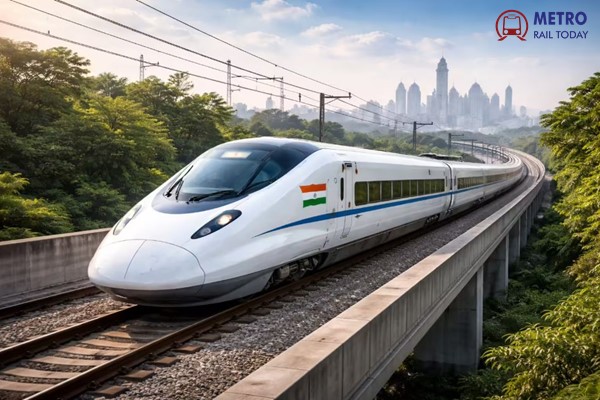
Hyderabad, India (Metro Rail Today): The proposed Hyderabad–Pune–Mumbai high-speed rail corridor has moved a step closer to implementation, with railway officials informing the Telangana government that the Detailed Project Report (DPR) for the 671-km corridor has been completed. The project is among the major high-speed rail initiatives announced by the Centre under the Union Budget 2026–27.
The update was shared during a high-level review meeting chaired by Telangana Chief Secretary K. Ramakrishna Rao, where officials discussed progress on three proposed high-speed rail corridors connecting Hyderabad with Mumbai, Bengaluru, and Chennai.
Land Acquisition Planned Across Telangana
According to railway officials, nearly 93 km of land acquisition will be required within Telangana for the Hyderabad–Pune–Mumbai corridor. Additional land acquisition of around 123 km will be needed for the Hyderabad–Bengaluru and Hyderabad–Chennai high-speed rail corridors.
Officials also informed the meeting that land parcels in Kokapet and Shamshabad may be required for the development of railway depots and associated infrastructure facilities.
The Chief Secretary directed various state departments to work in close coordination with the Union Railway Ministry and project authorities to facilitate smooth implementation of the high-speed rail projects. He emphasised the need for timely preparation of proposals related to land acquisition, connectivity, utility shifting, and infrastructure development.
Departments including Roads & Buildings, Hyderabad Metropolitan Development Authority (HMDA), and GMR Hyderabad Airport were instructed to extend full support to railway authorities for project execution.
High-Speed Rail to Reshape Regional Connectivity
The Hyderabad–Pune–Mumbai corridor is expected to become one of India’s major intercity high-speed rail links, connecting important economic, industrial, IT, and commercial centres across Telangana, Maharashtra, and adjoining regions.
The project is part of India’s broader push to develop a nationwide high-speed rail network aimed at reducing travel time, supporting regional economic growth, and strengthening multimodal transportation infrastructure.
Railway officials believe the corridor will significantly improve mobility between Hyderabad and western India while enhancing connectivity to industrial zones, airports, business districts, and urban growth centres.
The proposed high-speed rail corridors linking Hyderabad with Bengaluru and Chennai are also expected to strengthen southern India’s economic integration and support future urbanisation trends.
Telangana Eyes ‘Economic Growth Corridor’ Vision
During the meeting, Chief Secretary K. Ramakrishna Rao described the proposed high-speed rail projects as key components of Telangana’s long-term development strategy. He stated that the upcoming rail network could evolve into a “Telangana Rising 2047 Economic Growth Corridor,” supporting industrial expansion, tourism growth, IT sector development, and future transportation needs.
The state government sees the high-speed rail corridors as transformative infrastructure projects capable of reshaping regional mobility and attracting large-scale investments across connected regions.
Mrs. Mamta Shah, MD & CEO of Urban Infra Group, said, “The proposed Hyderabad high-speed rail corridors represent a major leap towards future-ready transportation infrastructure in India. Such projects will not only redefine intercity mobility but also stimulate economic growth, industrial development, and regional integration across major urban centres.”
India Accelerates High-Speed Rail Expansion
India’s high-speed rail ambitions have gathered momentum following the progress of the Mumbai–Ahmedabad Bullet Train project and the announcement of several new semi-high-speed and high-speed corridors in recent years.
The Hyderabad–Mumbai, Hyderabad–Bengaluru, and Hyderabad–Chennai corridors are expected to become part of a broader national strategy focused on advanced rail mobility, sustainable transport, and regional economic development.
As feasibility studies, DPRs, and land acquisition processes advance, these projects are likely to play a crucial role in shaping India’s next-generation transportation network over the coming decades.


MRT Online Desk
Metro Rail Today is an authentic and global news provider for the Rail & Metro industry from and around the world.