

Govt of India approves ₹20,667 crore Ahmedabad - Dholera Semi High Speed Rail Corridor

MRT Online Desk Posted on: 2026-05-13 13:06:00 Viewer: 120 Comments: 0 Country: India City: New Delhi
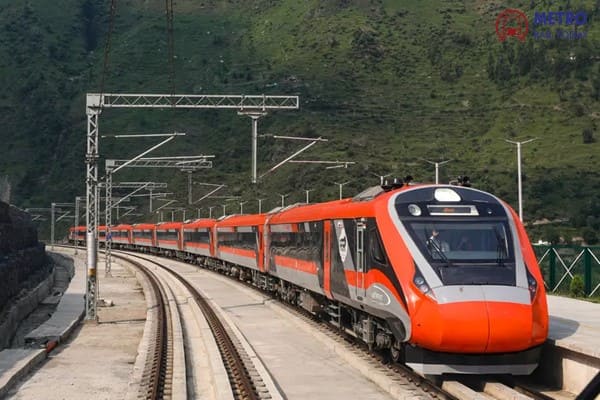
Govt of India approves ₹20,667 crore Ahmedabad - Dholera Semi High Speed Rail Corridor

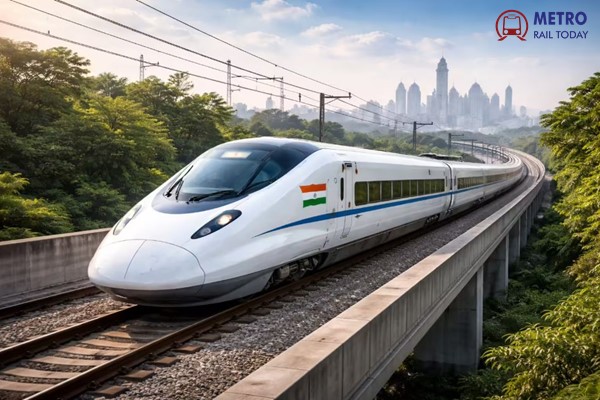
New Delhi, India (Metro Rail Today): In a landmark move for India’s rail modernisation journey, the Union Cabinet has approved the country’s first semi-high-speed rail project connecting Sarkhej in Ahmedabad to Dholera in Gujarat. The 134-km double-line corridor will be developed at an estimated cost of ₹20,667 crore and is designed to support train operations at speeds of up to 200 kmph.

The project marks a major milestone in India’s efforts to develop next-generation rail infrastructure beyond conventional rail and metro systems, while strengthening connectivity to emerging industrial and economic hubs.

Strategic Corridor to Connect India’s Emerging Manufacturing Hub

The proposed Sarkhej–Dholera rail line will connect Ahmedabad with Dholera Special Investment Region (SIR), which is being developed as one of India’s largest manufacturing and industrial centres.

Dholera is emerging as a major economic zone with planned semiconductor fabrication units, logistics hubs, an international airport, and advanced industrial infrastructure under development. The new rail corridor is expected to significantly improve connectivity to the region and support large-scale industrial growth.

The line will also provide access to the upcoming Lothal National Maritime Heritage Complex (NMHC), which is envisioned as a major tourism and heritage destination linked to India’s ancient maritime history.

200 kmph Operations and Advanced Rail Infrastructure

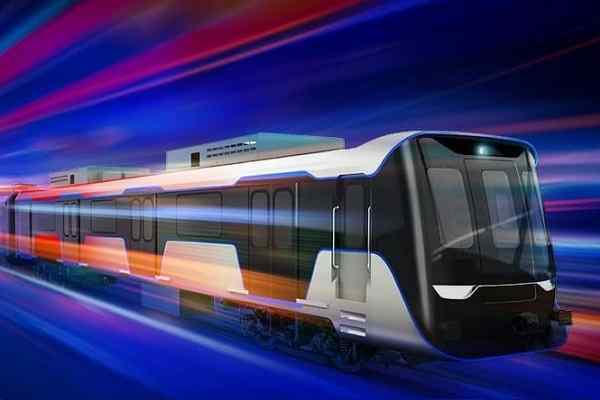
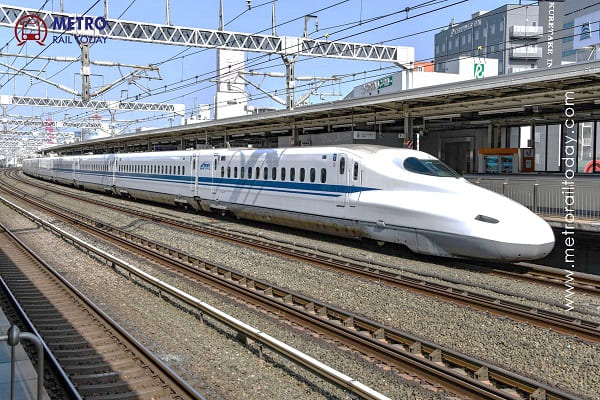
The semi-high-speed corridor will feature a newly developed train capable of operating at speeds of 200 kmph, making it one of the fastest rail systems on the Indian Railways network after the upcoming bullet train projects.

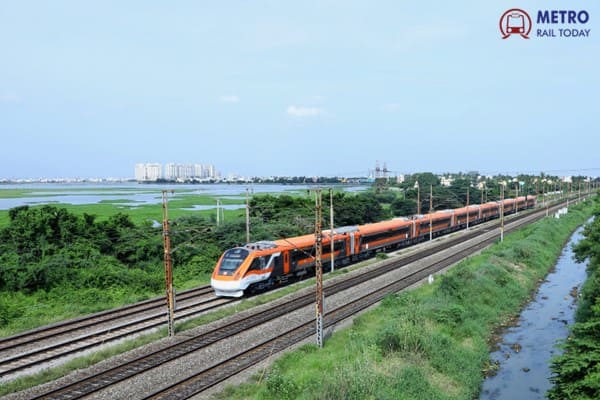
Currently, the fastest operational train service in India is the Vande Bharat Express, which runs at a maximum speed of around 130 kmph. Meanwhile, India is also developing indigenous high-speed trainsets at BEML’s Bengaluru facility for future bullet train operations at speeds of up to 250 kmph.

According to the approved plan, the Sarkhej–Dholera corridor will include 13 stations and is targeted for completion within four years.

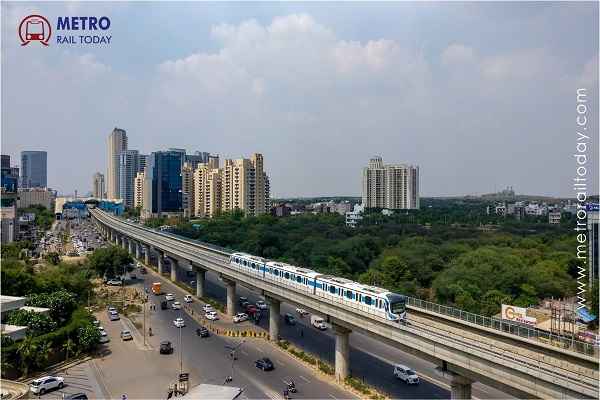
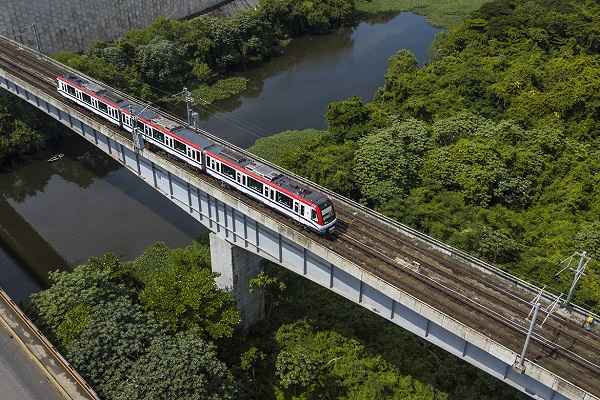
Of the total 134-km route, nearly 74 km will be elevated on viaducts. The project will also include three major bridges, 39 road underbridges, and two rail overbridges, highlighting the scale and complexity of the infrastructure being planned.

Integrated with Metro, Bullet Train and Freight Networks

Railways Minister Ashwini Vaishnaw stated that the corridor will be integrated with Ahmedabad Metro at Sabarmati, Gandhigram, and Vastrapur stations. It will also connect with the proposed Mumbai–Ahmedabad Bullet Train station at Sabarmati, creating a multimodal transportation ecosystem in the region.

In addition, the line will have connectivity with the Dedicated Freight Corridor (DFC) near Maraiyya in Sanand, strengthening logistics and industrial freight movement.

Vaishnaw described the project as India’s first rail corridor of its kind and indicated that it would serve as a model for future semi-high-speed rail projects across the country. He also confirmed that Vande Bharat trains will be permitted to operate on the route.

Mrs. Mamta Shah, MD & CEO of Urban Infra Group, said, “The Ahmedabad–Dholera semi-high-speed rail corridor is a transformative infrastructure project that can redefine regional connectivity and industrial mobility in Gujarat. Integrating semi-high-speed rail with metro, bullet train, and freight networks reflects a future-ready approach towards multimodal transportation and economic development.”

Land Acquisition Challenges Expected to be Minimal

Officials stated that the corridor alignment will largely run alongside the Ahmedabad–Dholera Expressway, where a 30-metre-wide rail corridor has already been provisioned. This is expected to significantly reduce land acquisition hurdles and accelerate project execution timelines.

The project also aligns with India’s broader vision of developing sustainable, high-speed, and integrated transport systems capable of supporting industrial corridors, smart cities, and future economic growth.

As India continues expanding its rail infrastructure ambitions, the Ahmedabad–Dholera semi-high-speed corridor is expected to become a crucial test case for future medium-speed intercity rail projects across the country.


Also Read


Leave Your Comment!


Recent Comments!

No comments found...!