

Trending Now
 Japanese Delegation visits KRIDE to explore Bengaluru Suburban Rail Project opportunities
 GMRC issues ₹879 crore Civil Tender for Airport Extension under Ahmedabad Metro Phase 2A
 Global Mobility Leaders Alstom and Siemens become Corporate Member of Chamber of Railway Industries
 L&T-MHI JV wins contract for Automated People Mover at Dubai’s Al Maktoum International Airport
 Delhi Metro Rail Network to expand to 695 km by 2047, Six new RRTS Corridors planned
 HÜBNER at InnoTrans 2026: Global rail expertise and local capability for India’s Next-Gen Mobility
 Australia shortlists three firms/consortia for Sydney–Newcastle High Speed Rail Project
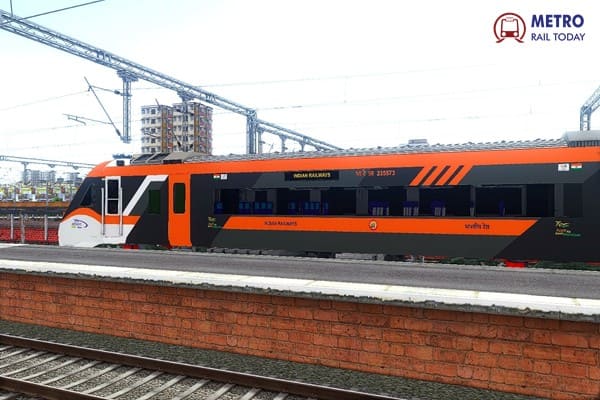 MRVC set to procure 238 AC Vande Metro Trainsets worth ₹19,293 crore from Indian Railways
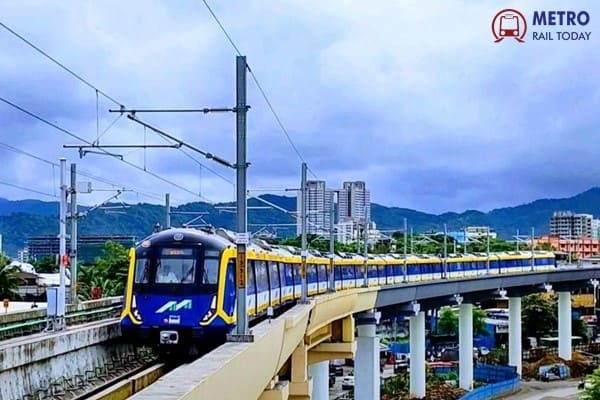 Maharashtra approves ₹17,725 crore Mumbai Metro Line 13 linking Mira-Bhayandar with Vasai-Virar
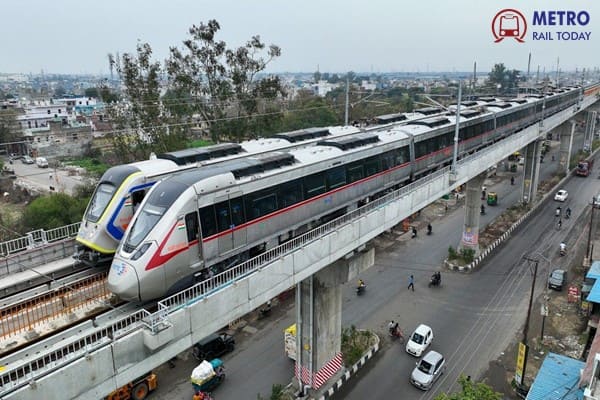 Gujarat issues three tenders for 48.38-km Metro-RRTS Hybrid corridors under Ahmedabad Metro Phase 3
Bi-RIDE invites ₹200 crore Tender for Soladevanahalli Depot of Bengaluru Suburban Rail Project
MRT Online Desk
Posted on: 2026-06-13 16:00:00
Viewer: 6,139
Comments: 0
Country: India
City: Bengaluru
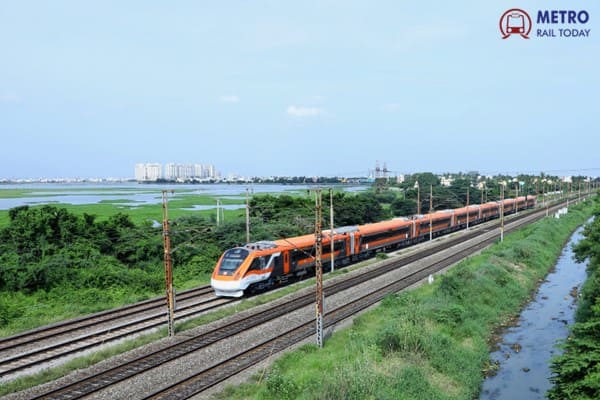
Bengaluru, India (Metro Rail Today): Bengaluru Integrated Rail Infrastructure Development Enterprises (Bi-RIDE), formerly K-RIDE, has moved another step closer towards advancing the Bengaluru Suburban Transport Project (BSTP) by inviting bids for the construction of the Soladevanahalli Train Maintenance Depot, a critical operational facility that will support the city’s future suburban rail network.
The tender, valued at ₹200.03 crore (excluding GST), marks an important infrastructure milestone for the suburban rail programme, with bid submissions scheduled to close on 12 August 2026.
The depot tender follows Bi-RIDE’s recent decision to issue a work order to Integral Coach Factory (ICF), Chennai, on 6 May 2026 for procurement of 153 suburban rail coaches, creating the necessary ecosystem to support train operations and long-term fleet maintenance.
The Soladevanahalli facility is planned near Chikkabanavara suburban station and will function as the principal operation and maintenance hub for rolling stock serving Corridor 2 and Corridor 4 under the Bengaluru Suburban Rail network. To facilitate development, approximately 26 acres of private land have already been acquired for the depot.
Train maintenance depots form one of the most important components of any suburban railway ecosystem, performing functions comparable to advanced railway workshops. These facilities enable inspection, preventive maintenance, repair activities, train stabling and readiness management to ensure safe, reliable and high-frequency services. Without dedicated depot infrastructure, suburban rail systems cannot operate at their intended service levels.
According to project details, the Soladevanahalli depot will include a range of operational and maintenance facilities such as stabling lines, workshop lines, inspection bays, repair bays and an automatic coach washing plant to support efficient fleet management and improve lifecycle performance of suburban trainsets.
In line with Bi-RIDE’s sustainability objectives and broader environmental commitments, the depot has also been designed with solar power generation and rainwater harvesting systems as part of efforts to move towards a net-zero carbon development approach.
The project will be financed through funding support from KfW Development Bank of Germany, reflecting continued international collaboration in strengthening India’s urban and regional rail infrastructure.
Once operational, the Soladevanahalli depot is expected to play a central role in enabling BSTP’s long-term vision of delivering high-frequency suburban operations, enhanced safety standards, modern maintenance practices and an improved commuter experience for Bengaluru’s growing urban population.
Commenting on the significance of maintenance infrastructure in modern rail systems, Mrs. Mamta Shah, MD & CEO, Urban Infra Group, said:
“Rail infrastructure is not defined only by tracks and stations; depots are equally critical for ensuring reliability, operational efficiency and service quality. Investments in modern and sustainable maintenance facilities will strengthen Bengaluru’s suburban rail ecosystem and support long-term urban mobility transformation.”
With rolling stock procurement already underway and depot development progressing, the Bengaluru Suburban Transport Project continues to gain momentum toward creating an integrated and future-ready regional mobility network for the city.


MRT Online Desk
Metro Rail Today is an authentic and global news provider for the Rail & Metro industry from and around the world.