

Trending Now
 Pune Metro Line 3 targets September-end opening with 17 stations on Hinjawadi–Shivajinagar corridor
 Jupiter Wagons Limited forms New Subsidiary to expand Railway Mobility Business
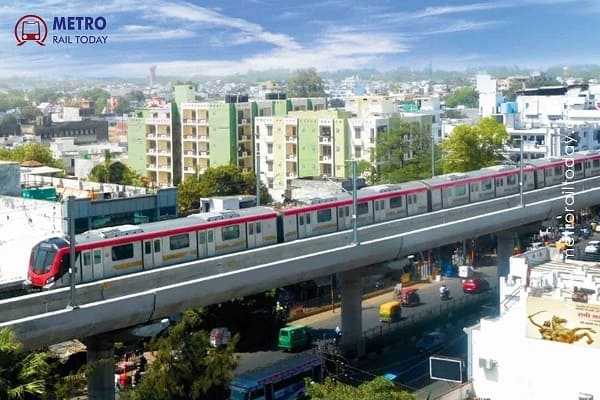 Five major firms bid for ₹1,878 crore Underground Section of Lucknow Metro Phase 1B Project
 DMRC focuses on Technology, Financial Sustainability and Global Expansion: Dr. Vikas Kumar
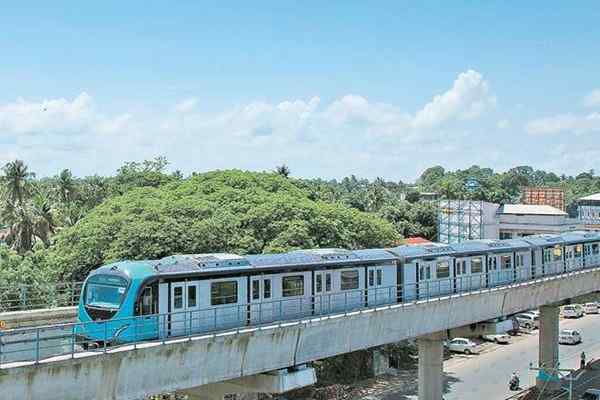 DMRC seeks opportunity to take up operation and maintenance of the Kochi Metro Rail network
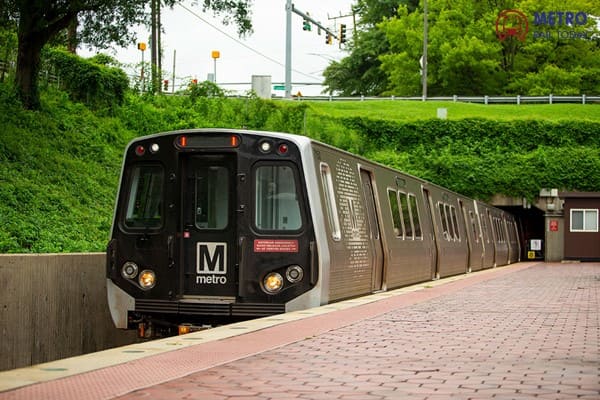 New Zealand opens country's first Underground City Rail Link in Auckland
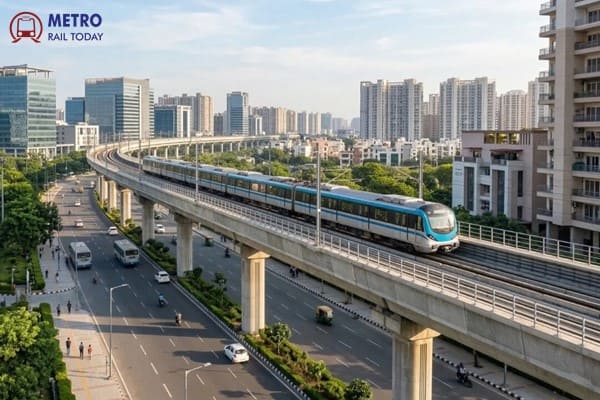 Ireland approves construction of €15.7 billion Dublin MetroLink, tender to be launched soon
 India's Mumbai-Ahmedabad Bullet Train project completes construction of over 365 km Viaduct
 Metro Rail Expansion in India: 1,155 Km Network Across 26 Cities and the Road Ahead
 Mumbai BKC Pod Taxi project faces Architects’ concerns over cost, capacity and environment
First T-Girder launched on Kanaka Line (Corridor 4A) of Bengaluru Suburban Rail Project
MRT Online Desk
Posted on: 2026-08-01 14:09:00
Viewer: 796
Comments: 0
Country: India
City: Bengaluru
Bengaluru, India (Rail & Metro Today): The Bengaluru Suburban Transport Project (BSTP) has achieved a significant construction milestone with the successful launch of its first 15.45-metre-long T-girder at Huskur Station under Corridor-4A on July 31, 2026.
The milestone marks steady progress on the Kanaka Line (Corridor-4A) of the Bengaluru Suburban Transport Project, which is being developed to create a modern suburban rail network for Bengaluru and improve connectivity across the metropolitan region.
47-Tonne Precast T-Girder Launched at Huskur
The 15.45-metre-long T-girder weighs approximately 47 tonnes and requires around 17 cubic metres of concrete for its construction. The girder has been manufactured using M50-grade concrete and designed in accordance with applicable Indian Railways and metro engineering provisions.
The project is adopting precast T-girder technology for railway infrastructure construction. The approach is expected to enable faster execution while improving construction quality, consistency and safety.
The launching operation was completed safely in accordance with prescribed engineering standards, quality requirements and safety protocols.
Kanaka Line to Connect Heelalige and Kaggadasapura
Corridor-4A, also known as the Kanaka Line, extends between Heelalige and Kaggadasapura and comprises nine stations. The corridor includes eight at-grade stations and one elevated station.
The use of precast structural elements is an important component of the project's construction methodology, enabling the project authorities and contractors to accelerate structural works while maintaining required standards for durability and performance.
K-RIDE is overseeing the project, with RVNL–Rithwik (RPPL) executing the construction works under the supervision of K-RIDE and the General Consultant. The teams are working to ensure compliance with project specifications, quality standards and safety requirements.
Modern Construction Technology Driving BSTP
Speaking on the milestone, Shri Lakshman Singh, Managing Director, said, “The successful launching of the 15.45-metre-long T-girder is a significant engineering milestone for the Bengaluru Suburban Transport Project. The project incorporates modern construction technologies, precast engineering solutions, and innovative execution methodologies to ensure faster construction while maintaining the highest standards of quality, durability, and safety. BSTP is being developed using advanced engineering practices that will provide Bengaluru with a world-class suburban rail system.”
The successful girder launch demonstrates the project's focus on modern construction techniques and systematic execution. The adoption of precast engineering solutions is expected to contribute to faster construction and improved quality control across the corridor.
BSTP to Strengthen Bengaluru's Suburban Mobility
The Bengaluru Suburban Transport Project is a flagship rail infrastructure initiative aimed at establishing an efficient, safe and sustainable suburban railway network for Bengaluru.
Once completed, the project is expected to improve connectivity between Bengaluru and its rapidly expanding peripheral areas, reduce travel times and ease pressure on the city's congested road network. By providing a reliable alternative to road-based transportation, the suburban rail system is also expected to encourage greater use of sustainable public transport across the Bengaluru Metropolitan Region.
The launch of the first T-girder on Corridor-4A represents another step towards the development of Bengaluru's integrated mass transit infrastructure and the city's long-term urban mobility vision.


MRT Online Desk
Metro Rail Today is an authentic and global news provider for the Rail & Metro industry from and around the world.