


Trending Now
 Tender floated for construction of Viaduct, Twin Tunnels and Underground Stations for Indore Metro
 Vietnam needs over 70,000 Engineers and Skilled Workers for Ho Chi Minh City Metro Project
 India targets production of indigenous 350 kmph High Speed Bullet Trains by 2030
 West Bengal proposes four RRTS Corridors linking Kolkata with South Bengal Cities
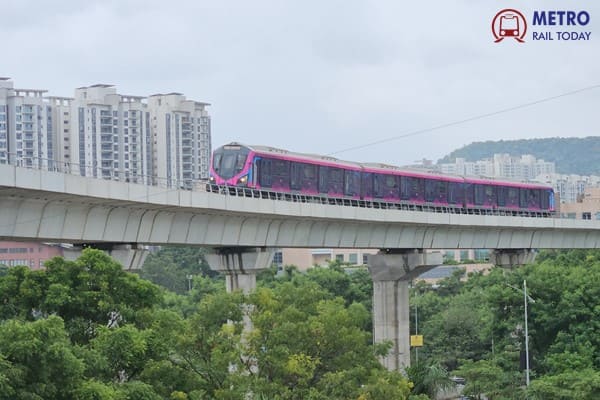 Pune Metro Line 3 targets September-end opening with 17 stations on Hinjawadi–Shivajinagar corridor
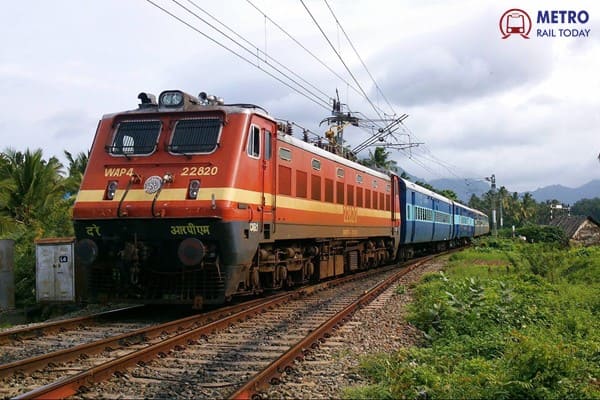 Jupiter Wagons Limited forms New Subsidiary to expand Railway Mobility Business
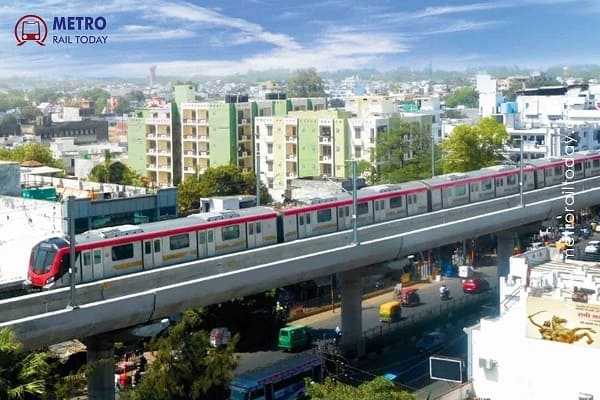 Five major firms bid for ₹1,878 crore Underground Section of Lucknow Metro Phase 1B Project
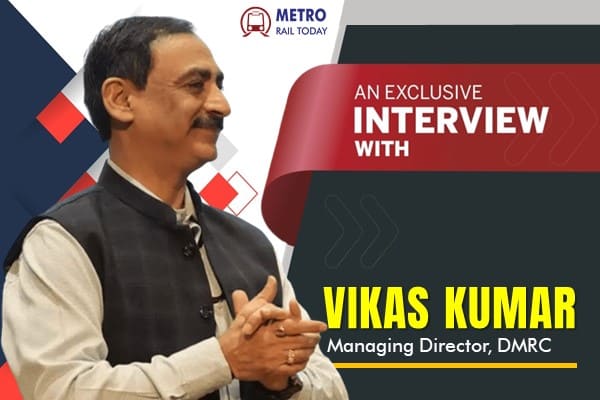 DMRC focuses on Technology, Financial Sustainability and Global Expansion: Dr. Vikas Kumar
 DMRC seeks opportunity to take up operation and maintenance of the Kochi Metro Rail network
 New Zealand opens country's first Underground City Rail Link in Auckland
₹4.5 Lakh crore Metro Rail Investment reaches less than 5% of Urban Population in India
MRT Online Desk
Posted on: 2026-06-06 17:56:00
Viewer: 7,229
Comments: 0
Country: India
City: New Delhi
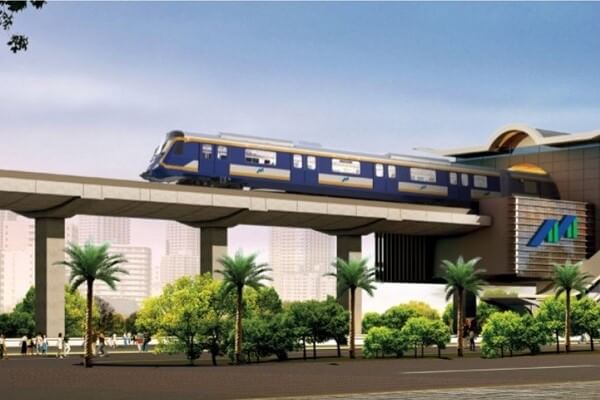
New Delhi, India (Metro Rail Today): A comprehensive review of India’s two-decade-old National Urban Transport Policy (NUTP) 2006 has raised concerns over the country’s urban mobility strategy, revealing that despite investments exceeding ₹4.5 lakh crore in metro rail infrastructure across 26 cities, metro systems currently serve less than 5% of Delhi’s population and under 3% of residents in Bengaluru and Hyderabad.
The review, presented at the Indian School of Public Policy (ISPP) and led by Prof. O.P. Agarwal, former Executive Director of the Institute of Urban Transport and lead author of the original NUTP, argues that implementation of the policy became disproportionately focused on metro rail expansion while the development of bus systems and non-motorised transport received comparatively limited attention.
According to the report, India has built approximately 1,095 km of metro rail networks across 26 cities over the past two decades. While these investments have significantly enhanced urban transport infrastructure, the overall impact on reducing private vehicle dependence has remained limited. The review notes that the original objective of encouraging a modal shift from private vehicles to public transport has not been fully achieved.
The report highlights the dramatic rise in motorisation across the country. Registered vehicles increased from around 90 million in 2006 to more than 413 million today, indicating that private vehicle ownership has continued to grow despite large-scale investments in public transport infrastructure.
Speaking during the presentation, Prof. Agarwal emphasised that controlling motorisation was always at the core of the NUTP’s vision.
“The core problem was motorisation. If you look at motorisation, the core objective of the NUTP was how do you slow down this because this is the root cause. How do you slow it down? It is in this context that the key recommendation was a shift from personal vehicles to public transport,” he said.
He further pointed out that while India took nearly 55 years to reach 90 million registered vehicles by 2006, the country added approximately 320 million more vehicles in just the last two decades, underscoring the scale of the challenge facing urban mobility planners.
Bus Systems and Last-Mile Connectivity Need Greater Attention
The review argues that one of the major reasons for continued dependence on private vehicles is the inadequate development of bus networks in most Indian cities. With the exception of Bengaluru, many urban centres have not significantly expanded or modernised their bus systems, creating gaps in accessibility and last-mile connectivity.
As a result, two-wheelers have emerged as the preferred mode of transport for millions of commuters due to their affordability, flexibility and ability to provide direct end-to-end connectivity.
Former bureaucrat Sanjiv Sahai, who previously headed the Delhi Integrated Multi-Modal Transit System Limited (DIMTS), stressed that urban transport planning should focus not only on infrastructure creation but also on the overall commuter experience.
“To move beyond suboptimal outcomes, we must focus on the granular details of what a commuter truly values: comfort, reliability and convenience. Instead of being obsessed only with building massive physical assets like metros, we need to prioritise operational excellence—such as ensuring buses arrive on schedule—to provide a truly competitive and affordable alternative to personal vehicles,” Sahai said.
Call for National Urban Transport Policy 2026
Recognising the changing nature of urban mobility, the review recommends that the Union Government constitute an expert committee to prepare a National Urban Transport Policy 2026, replacing or substantially updating the existing framework.
The report argues that several critical developments have transformed urban transportation since 2006, including the rise of ride-hailing services, rapid growth in e-commerce logistics, increasing climate change concerns, expanding urbanisation in smaller cities and the growing importance of electric mobility.
It recommends a more integrated mobility approach that combines public transport, housing, land-use planning and digital technologies. The review also calls for stronger support for para-transit services, enhanced transit-oriented development (TOD) strategies and greater investment in walking and cycling infrastructure.
Among the policy measures suggested are demand-management initiatives such as higher parking charges, innovative public transport financing mechanisms and the monetisation of public land assets. The report estimates that underutilised public properties, including Delhi Transport Corporation depots, could potentially generate up to ₹4,000 crore annually through rental and commercial development opportunities.
The review also advocates stronger adoption of electric vehicles through interest subvention schemes and recommends increased use of data analytics, artificial intelligence and smart technologies for transport planning and operations.
Need for Integrated Urban Mobility Planning
A key recommendation of the review is the integration of transport planning with affordable housing development. The report notes that long daily commutes from informal settlements and distant residential areas often undermine the effectiveness of urban transport systems and reduce quality of life for low-income workers.
Experts believe future mobility strategies should move beyond isolated infrastructure projects and instead focus on creating integrated ecosystems that connect transport, housing, employment centres and public services.
Commenting on the findings, Mrs. Mamta Shah, MD & CEO, Urban Infra Group, said:
“Metro rail systems remain an essential component of urban mobility, but they cannot function in isolation. Sustainable mobility requires a balanced ecosystem where metros, buses, non-motorised transport, para-transit services and transit-oriented development work together seamlessly. As Indian cities continue to grow, future transport policies must focus on integration, accessibility and commuter-centric planning to maximise the benefits of public investment.”
As India prepares for the next phase of urbanisation, the proposed National Urban Transport Policy 2026 could play a crucial role in shaping a more balanced, integrated and sustainable mobility framework for the country's rapidly expanding cities.

MRT Online Desk
Metro Rail Today is an authentic and global news provider for the Rail & Metro industry from and around the world.