

Trending Now
 Modern Trainlines and the End of Coal Trains: Why Rail Networks Have Moved Forward
 Siemens Bags Order from Titagarh Rail Systems for Pune Metro Extension Trainsets
 Titagarh Rail Systems becomes Corporate Member of Chamber of Railway Industries (Rail Chamber)
 World Bank approves ₹1,400 crore Civil Tender for Gurugram Metro Phase 2
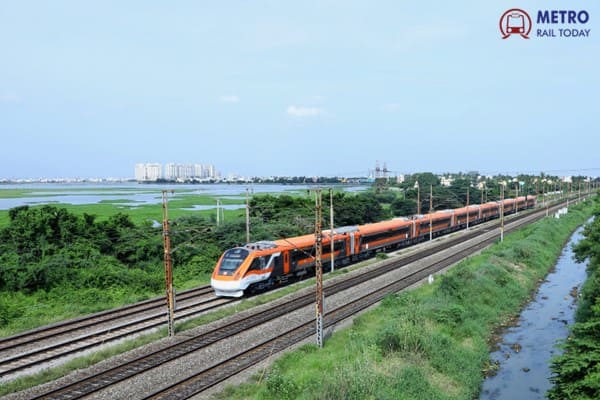 Bi-RIDE invites ₹200 crore Tender for Soladevanahalli Depot of Bengaluru Suburban Rail Project
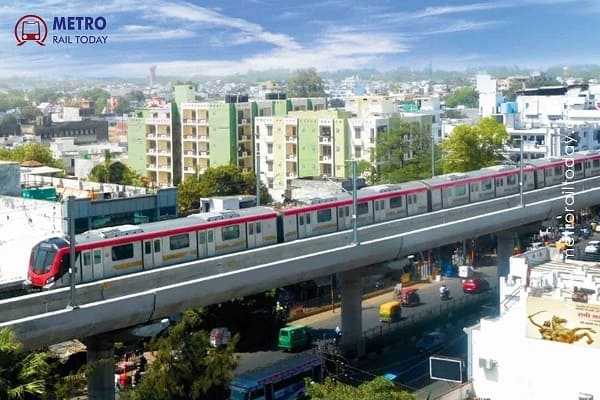 GHV India awarded ₹107.79 crore Civil Contract for Lucknow Metro East-West Corridor
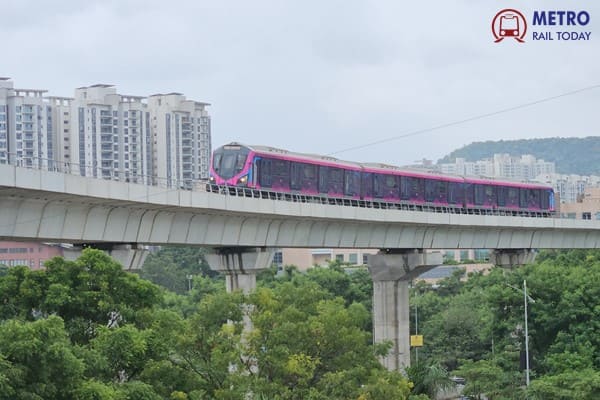 Pune Metro Line 3 set to launch First 12-km Section on 15 July 2026
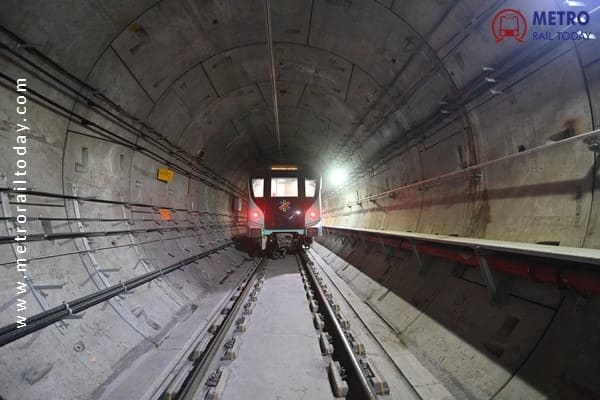 DMRC gets approval to Fell or Transplant 364 Trees for Central Vista Metro Corridor under Phase IV
 ₹4.5 Lakh crore Metro Rail Investment reaches less than 5% of Urban Population in India
 West Bengal plans to launch Water Metro Systems in Kolkata
Modern Trainlines and the End of Coal Trains: Why Rail Networks Have Moved Forward
MRT Online Desk
Posted on: 2026-07-02 01:01:00
Viewer: 123
Comments: 0
Country: India
City: New Delhi
Rail transportation has played a major role in shaping modern civilization. For centuries, coal-powered locomotives represented innovation, connecting cities, transporting goods, and making long-distance travel more practical. The sight of a steam engine pulling carriages across the countryside became one of history's most recognizable images.
Today, however, modern railway systems rarely feature coal trains as passenger locomotives. While coal freight is still transported in some regions, the classic coal-powered steam locomotive has largely disappeared from active trainlines. Advances in engineering, environmental standards, infrastructure, and operating costs have made newer technologies far more practical.
Interestingly, many people who enjoy learning about historical transportation also appreciate strategy-based digital entertainment during their downtime. Casual platforms featuring PH Bingo Online or social gaming communities such as GameZone appeal to users who enjoy both history and technology without replacing the educational value of either.
The Golden Age of Coal-Powered Railways
Coal trains revolutionized transportation during the Industrial Revolution. Steam locomotives converted burning coal into steam pressure, which powered massive pistons connected to the wheels.
This innovation allowed trains to:
-
Move large numbers of passengers
-
Transport industrial goods efficiently
-
Expand national economies
-
Connect rural communities with major cities
For decades, coal-powered locomotives became the backbone of transportation across Europe, North America, and many parts of Asia.
Despite their historical importance, they were never designed with today's transportation demands in mind.
Modern Railways Prioritize Efficiency
Today's train systems serve millions of passengers every day. Urban commuter railways and high-speed networks operate under extremely strict schedules where delays of only a few minutes can affect thousands of travelers.
Coal-powered locomotives simply cannot match the operational efficiency required by modern infrastructure.
Modern electric and diesel-electric trains provide:
-
Faster acceleration
-
Consistent power delivery
-
Higher top speeds
-
Reduced maintenance
-
Better energy efficiency
These improvements allow rail operators to maximize service frequency while minimizing disruptions.
Just as modern digital platforms like PH Bingo Online continuously improve user experiences through technology, transportation systems have also evolved by adopting more efficient solutions. Likewise, GameZone reflects how technology can modernize traditional forms of entertainment while maintaining familiar experiences.
Environmental Regulations Changed Everything
Perhaps the biggest reason coal trains disappeared from modern passenger rail is environmental policy.
Burning coal releases:
-
Carbon dioxide
-
Sulfur dioxide
-
Nitrogen oxides
-
Fine particulate matter
-
Ash residue
These emissions contribute to:
-
Climate change
-
Air pollution
-
Acid rain
-
Respiratory illnesses
Governments worldwide have introduced stricter emissions standards over the past several decades.
Electric trains produce zero direct emissions during operation, while newer diesel-electric engines meet far stricter environmental regulations than steam locomotives ever could.
As countries pursue cleaner transportation, investing in coal-powered passenger trains no longer makes economic or environmental sense.
Coal Requires Intensive Maintenance
Operating a steam locomotive involves far more than simply adding fuel.
Coal trains require crews to:
-
Load large quantities of coal
-
Continuously feed fuel into the firebox
-
Monitor boiler pressure
-
Remove ash after every trip
-
Perform extensive cleaning
-
Inspect mechanical components frequently
Steam locomotives contain numerous moving mechanical systems that require constant servicing.
Modern electric trains dramatically reduce these maintenance requirements.
Fewer mechanical parts mean:
-
Less downtime
-
Lower repair costs
-
Increased reliability
-
Longer operational life
Rail operators naturally prefer equipment that spends more time transporting passengers rather than sitting inside maintenance depots.
High-Speed Rail Cannot Use Coal Power
Countries investing in high-speed rail aim for speeds exceeding 250 km/h.
Examples include networks operating in:
-
Japan
-
France
-
China
-
Spain
-
South Korea
Steam locomotives cannot realistically support these performance requirements.
Electric multiple-unit trains distribute power across several cars, allowing:
-
Better weight balance
-
Faster acceleration
-
Improved braking
-
Higher safety margins
Coal-powered locomotives simply cannot compete with these engineering advantages.
Technology advances in nearly every industry. Similar progress can be seen across digital entertainment, where platforms like PH Bingo Online and GameZone continue refining user experiences through improved interfaces and accessibility while preserving familiar gameplay concepts.
Passenger Comfort Matters
Modern passengers expect:
-
Quiet rides
-
Air-conditioned cabins
-
Smooth acceleration
-
Clean stations
-
Reliable schedules
Coal-powered trains produce:
-
Smoke
-
Soot
-
Vibrations
-
Loud exhaust sounds
-
Occasional sparks
Although steam engines carry nostalgic charm, these characteristics conflict with today's expectations for public transportation.
Electric trains provide significantly quieter operations, improving comfort for passengers while reducing noise pollution for nearby communities.
Infrastructure Has Evolved
Today's railway infrastructure has been specifically designed around electric and diesel-electric technology.
Modern systems include:
-
Electrified overhead lines
-
Advanced signaling
-
Automated train control
-
Computerized monitoring
-
Smart maintenance systems
Reintroducing coal locomotives into these highly optimized networks would create operational challenges rather than benefits.
Railway modernization focuses on integration, automation, and efficiency instead of returning to older propulsion systems.
Operating Costs Favor Modern Technology
Although coal was once an affordable energy source, operating steam locomotives has become increasingly expensive.
Costs include:
-
Fuel handling
-
Water supply
-
Boiler inspections
-
Specialized maintenance staff
-
Longer servicing times
-
Replacement mechanical parts
Modern electric trains consume energy far more efficiently while requiring fewer personnel to operate.
Over decades of operation, these savings become substantial.
Public transportation agencies therefore invest in technologies that reduce long-term operational expenses while improving service reliability.
Coal Trains Still Have Historical Value
Despite disappearing from everyday rail service, steam locomotives remain culturally significant.
Many countries preserve historic railways through:
-
Railway museums
-
Tourist excursions
-
Heritage railroads
-
Restoration projects
-
Educational exhibits
These attractions allow younger generations to experience engineering from an earlier era without relying on outdated technology for daily transportation.
Steam locomotives continue inspiring railway enthusiasts, photographers, historians, and engineers around the world.
Freight Rail Is Different
It is worth noting that "coal trains" today often refer to freight trains carrying coal rather than locomotives powered by coal.
Many countries still transport coal by rail because trains remain one of the most efficient methods for moving heavy bulk materials over long distances.
However, the locomotives pulling these freight cars are almost always:
-
Diesel-electric
-
Fully electric
-
Hybrid systems
In other words, the cargo may be coal, but the engine itself is no longer powered by burning coal.
Technology Always Moves Forward
Transportation history demonstrates how innovation gradually replaces older systems.
Horse-drawn wagons gave way to automobiles.
Propeller aircraft evolved into jetliners.
Steamships transitioned toward diesel and modern marine engines.
Railways followed the same pattern by replacing coal-powered locomotives with cleaner, faster, and more efficient alternatives.
Conclusion
Coal-powered trains remain iconic symbols of engineering history, representing the innovations that transformed global transportation during the Industrial Revolution. Their contribution to economic development, industrial expansion, and passenger travel cannot be overstated.
However, modern trainlines demand greater efficiency, lower emissions, enhanced passenger comfort, improved safety, and reduced operating costs. Electric and diesel-electric locomotives meet these expectations far better than traditional steam engines, making coal-powered passenger trains impractical for contemporary rail networks.
Although steam locomotives continue to thrive in museums and heritage railways, their role today is educational and cultural rather than functional. As technology continues advancing, transportation systems will likely become even cleaner and more efficient. In much the same way, digital platforms such as PH Bingo Online and GameZone illustrate how longstanding traditions can embrace innovation, preserving familiar experiences while adapting to the expectations of modern audiences.


MRT Online Desk
Metro Rail Today is an authentic and global news provider for the Rail & Metro industry from and around the world.