

Trending Now
 How Indigenous Engineering and Japanese Technology are transforming India's first Bullet Train?
 India's Metro Rail Network set to cross 2000-km mark soon, become second largest in World
 Alstom to deploy DTG Signalling System for Jaipur Metro’s 5.2-km Phase-1 Extension
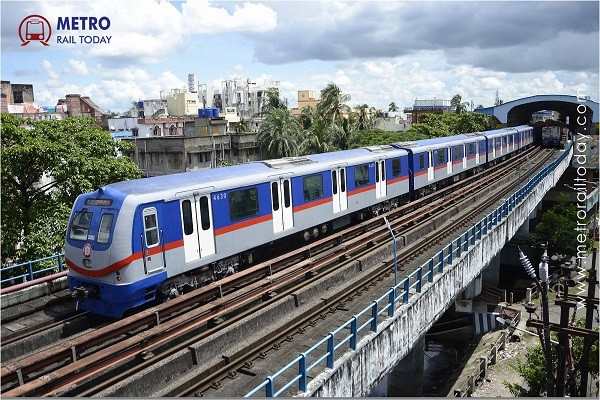 RVNL floats ₹297.45-crore Power Systems Tender for Kolkata Metro Purple Line
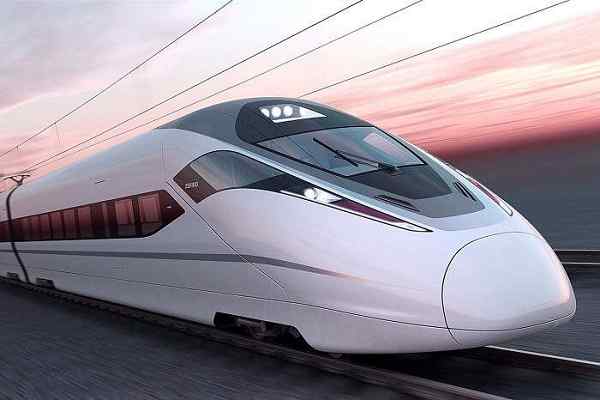 Siemens Mobility awarded $772 million Trainset Contract for California High-Speed Rail Project
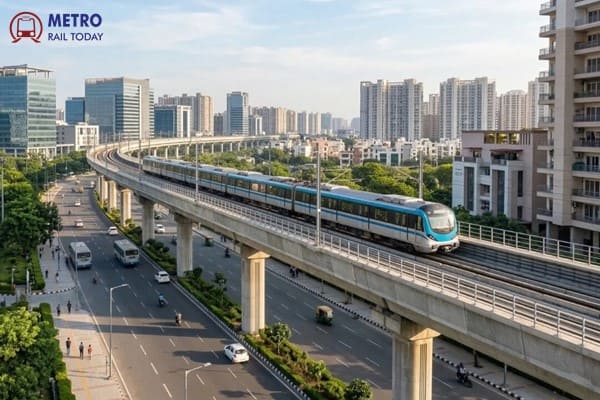 RITES submits fresh DPR to UPMRC for ₹12,000 crore Prayagraj Metro Rail Project
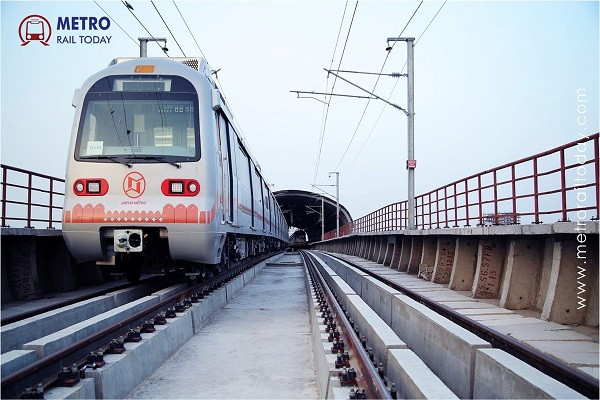 Paras Railtech wins ₹84.72 crore Ballastless Track Contract for Jaipur Metro Rail Project
 Indian Railways announces 3,548 Graduate-Level Vacancies under NTPC Recruitment 2026
 European Union sanctions €10 million to support extension of Hanoi Metro Line 3
 GMRC issues ₹683 crore Tender for construction of 8.68 km stretch for Ahmedabad Metro
Top 10 reasons that leading to revenue losses in Indian Metro Rail Projects
Dr. Vinod Shah
Posted on: 2023-12-02 10:10:00
Viewer: 8,798
Comments: 0
Country: India
City: New Delhi
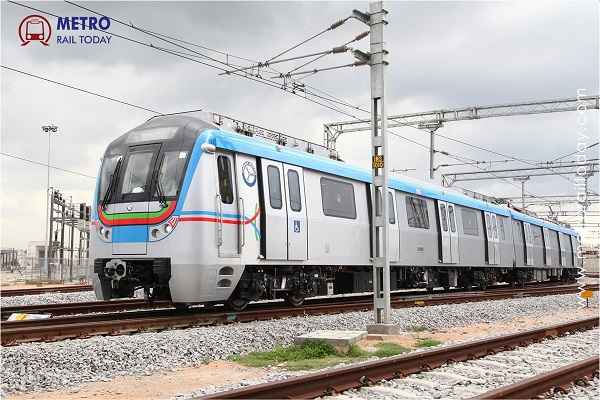
Revenue loss in metro rail development poses a significant impediment to future growth by creating a financial bottleneck that hampers expansion and modernization efforts. Insufficient revenue streams limit the ability to invest in new infrastructure, upgrade technology, and extend metro lines to underserved areas. The scarcity of funds restricts the implementation of crucial maintenance and operational improvements, leading to a decline in service quality. Moreover, the financial strain limits the feasibility of undertaking ambitious projects, hindering the expansion of metro networks to accommodate growing urban populations. This lack of financial flexibility undermines the overall attractiveness and efficiency of metro systems, diminishing their potential as sustainable and transformative urban transportation solutions for the future.
Indian Metro Rail projects, envisioned as transformative urban infrastructure, have faced considerable challenges leading to revenue losses. This in-depth analysis explores the complex factors contributing to the financial strains experienced by these projects, shedding light on the intricacies of their operational landscape.
1. High Initial Capital Costs: Unraveling the Financial Burden
The initiation of Indian Metro Rail projects is often marked by exorbitant initial capital costs. For instance, the Kolkata Metro faced substantial costs during its early phases, impacting its financial sustainability. The extensive infrastructure development, encompassing the construction of tracks, stations, and rolling stock, places a substantial financial burden on these projects. The repercussions of such high upfront investments create a prolonged period before these projects achieve financial self-sustainability.
2. Low Fare Recovery Rates: Balancing Accessibility and Viability
To cater to a diverse population, Indian Metro Rail projects maintain relatively low fare recovery rates, making services accessible to a larger demographic. However, this accessibility comes at the cost of a significant gap between operational costs and revenue generated from ticket sales. The Delhi Metro, while widely used, grapples with the challenge of balancing fare affordability with financial viability.
3. Operational Challenges: Impact on Ridership and Revenue
Operational inefficiencies pose a substantial threat to revenue streams. Maintenance issues, service disruptions, and delays can result in a decline in ridership as passengers seek more reliable transportation alternatives. The Mumbai Metro, facing operational challenges, has witnessed fluctuations in ridership, impacting its revenue stability. Addressing these operational challenges is crucial to maintaining consistent revenue flow for metro projects.
4. Limited Non-Fare Revenue Streams: Untapped Potential
While fare revenues remain a primary income source, the potential for non-fare revenue streams is often underutilized. The Bengaluru Namma Metro, for example, is exploring opportunities for advertising and retail spaces within stations. Diversifying revenue sources can play a pivotal role in offsetting operational costs and ensuring financial sustainability.
5. Economic Factors: Commuter Behavior in Flux
The economic climate directly influences commuter behavior. Economic downturns or fluctuations may lead individuals to adopt cost-cutting measures, impacting travel choices. The Hyderabad Metro, navigating economic shifts, must understand the interplay between economic factors and metro ridership, crucial for predicting and mitigating the impact on revenue streams.
6. Political and Regulatory Challenges: Navigating Uncertain Terrain
Metro projects in India often grapple with political and regulatory challenges that introduce uncertainties. Changes in government priorities, policy shifts, and bureaucratic hurdles can create an unstable environment, influencing project timelines and revenue projections. The Chennai Metro, navigating regulatory complexities, emphasizes the need for a robust strategy to overcome political and regulatory challenges for financial success.
7. Underestimation of Project Complexity: Mitigating Risk Factors
Some projects face difficulties due to underestimating the complexity of execution. The Kochi Metro, for instance, encountered challenges during construction that led to cost overruns, affecting its financial health. A meticulous understanding of project complexity is vital for ensuring realistic financial planning and mitigating unforeseen challenges.
8. Financing Structure: Striking a Balance
The financing structure of metro projects plays a pivotal role in their financial health. Striking a balance between private and public funding is essential. The Lucknow Metro, heavily reliant on public funds, highlights the need for a sustainable revenue model to avoid straining government resources and subsequent financial stress for the projects. Crafting a resilient financing structure is crucial for long-term viability.
9. Competing Transportation Modes: Navigating the Urban Landscape
The availability and popularity of alternative transportation modes present a competitive landscape for Indian Metro Rail projects. Buses, auto-rickshaws, and emerging ride-sharing services offer alternatives that may be more convenient or cost-effective. The Jaipur Metro, continually innovating to attract and retain ridership amidst stiff competition, provides insights into navigating the urban transportation landscape.
10. Pandemic Impact: Navigating Unprecedented Challenges
The COVID-19 pandemic has introduced unprecedented challenges to Indian Metro Rail projects. The Kolkata East-West Metro, facing a substantial decline in ridership due to lockdowns and social distancing measures, highlights the pandemic's impact on revenue. Adapting strategies to navigate the ongoing and potential future impacts of the pandemic is crucial for financial resilience.
In conclusion, the revenue losses faced by Indian Metro Rail projects are a culmination of multifaceted challenges, as evidenced by examples like the Kolkata Metro, Delhi Metro, Mumbai Metro, Bengaluru Namma Metro, Hyderabad Metro, Chennai Metro, Kochi Metro, Lucknow Metro, Jaipur Metro, and Kolkata East-West Metro. Addressing these issues requires a nuanced approach involving meticulous financial planning, operational optimizations, and strategic initiatives to diversify revenue streams. Collaborative efforts among government authorities, private stakeholders, and the public are imperative for ensuring the sustained success and financial viability of these crucial urban infrastructure projects.


Dr. Vinod Shah
Dr. Vinod Shah is an experienced urban transport journalist, blogger and key opinion leader.