


Trending Now
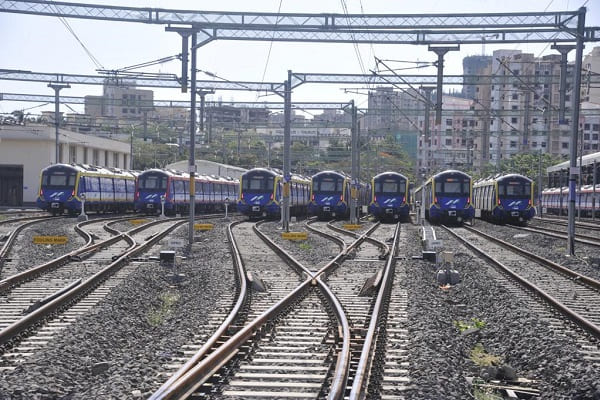 MMRDA issues Track Works Tender for Kasheli Depot of Mumbai Metro Line 5
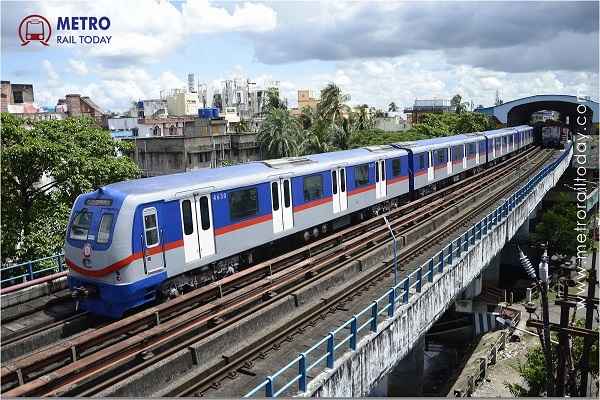 Indian Railways to procure 60 new Rolling Stock Trains for Kolkata Metro in five years
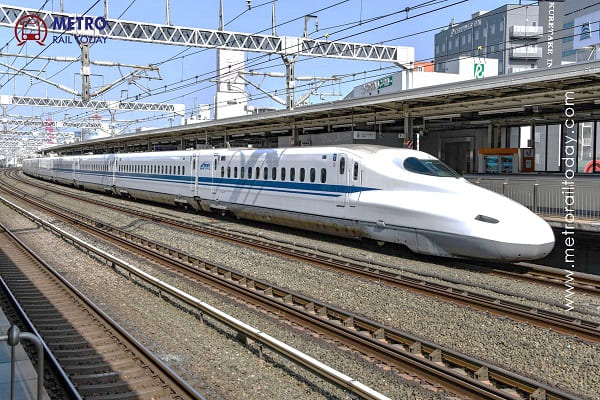 Kerala forms Expert Committee to evaluate Thiruvananthapuram–Kannur High-Speed Rail Corridor
 Mumbai–Ahmedabad Bullet Train Project achieves third Mountain Tunnel Breakthrough in Maharashtra
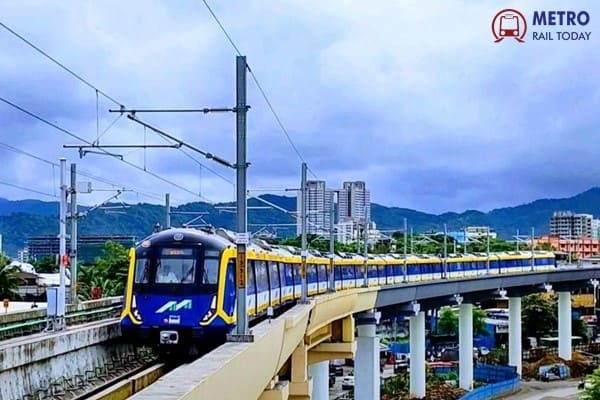 MMRDA invites bids for ₹4,882 Crore Rolling Stock & Systems Contract for Mumbai Metro Line 12
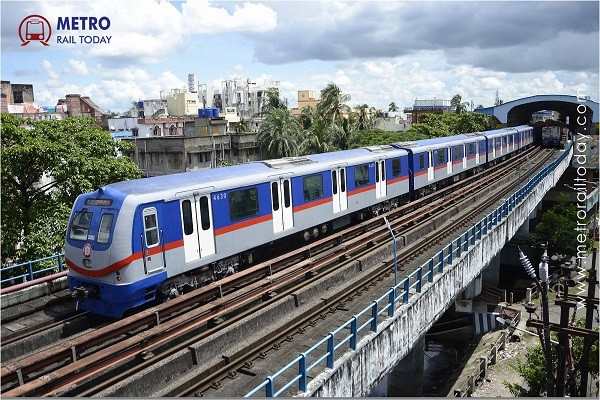 Kolkata Metro completes Aluminium Third Rail Upgrade on Blue Line
- Metroman E. Sreedharan submits new Blueprint for ₹54,000 Crore Kerala High Speed Rail Corridor
 Union Housing & Urban Affairs Minister Tokhan Sahu to inaugurate 6th RailTrans Expo 2026
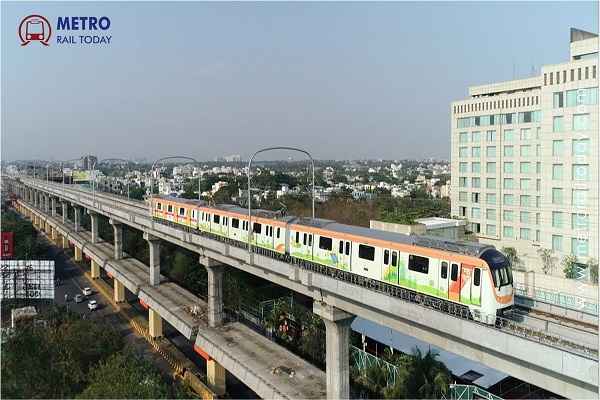 Maha Metro plans Six-Coach Trains ahead of Pune Metro Line 3 Launch
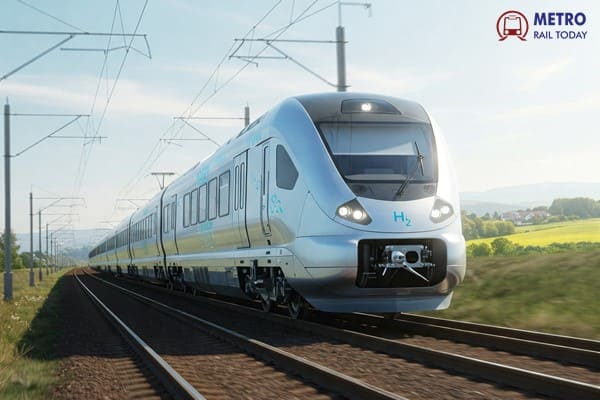 Railway Ministry approves launch of India’s First Hydrogen-Powered Train on Jind–Sonipat Route
Revolutionizing Metro Rail Systems with AI and RDBMS: A Journey Towards Smarter Urban Transportation
MRT Online Desk
Posted on: 2024-02-10 10:10:00
Viewer: 3,018
Comments: 0
Country: India
City: New Delhi
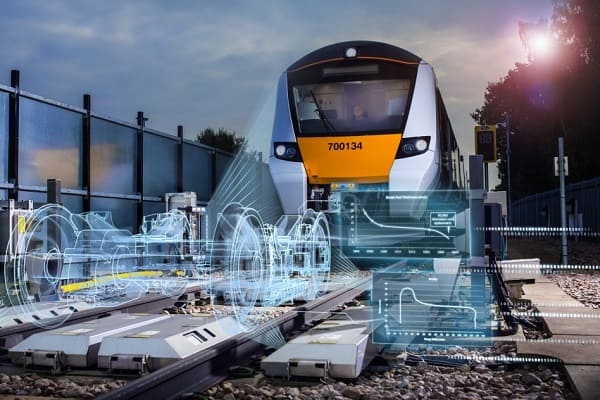
The evolution of metro rail systems has entered an exciting phase with the integration of Artificial Intelligence (AI) and Relational Database Management Systems (RDBMS). This powerful combination is revolutionizing how metro rail networks operate, ensuring efficient, safe, and sustainable urban transportation. In this post, we will explore the remarkable impact of AI and SQL on metro rail systems, highlighting the transformative potential and learning opportunities they bring.
Optimizing Operations with AI
AI is transforming the way metro rail systems operate by enabling intelligent decision-making and optimization. AI algorithms, fueled by vast amounts of data stored in RDBMS, analyze train schedules, passenger information, and real-time operational data. With this information, AI systems can dynamically adjust train frequencies, optimize route planning, and manage resource allocation. The result is improved operational efficiency, reduced congestion, and enhanced service reliability for commuters.
Data Management and Analysis with SQL
SQL plays a vital role in metro rail systems by efficiently managing the complex and diverse datasets generated by various operational aspects. From ticketing information to maintenance records and performance metrics, SQL ensures secure data storage, quick retrieval, and effective analysis. Metro rail operators can leverage SQL capabilities to gain valuable insights, identify patterns, and make data-driven decisions for better resource management, maintenance planning, and service improvements.
Elevating Passenger Experience
AI and SQL collaboration have the potential to transform the passenger experience in metro rail systems. By analyzing historical data, AI algorithms can personalize journey recommendations, provide real-time updates on train schedules, and optimize travel routes. SQL acts as the foundation for storing and accessing passenger data securely, allowing metro rail operators to deliver seamless and convenient experiences tailored to individual preferences. Enhanced passenger experiences lead to increased satisfaction and encourage greater usage of metro rail services.
Enhancing Safety and Security
Safety is a paramount concern for metro rail systems, and AI, together with SQL, enhances safety and security measures. AI algorithms can analyze surveillance footage, sensor data, and operational information stored in SQL to detect potential security threats, identify anomalies, and enable quick responses to emergencies. By proactively monitoring and addressing safety concerns, metro rail operators can create a secure and reliable transportation environment for passengers.
Predictive Maintenance for Improved Efficiency
Efficient maintenance and asset management are vital for the seamless functioning of metro rail systems. AI, powered by SQL, enables predictive maintenance strategies. By analyzing historical maintenance records, sensor data, and operational parameters, AI algorithms can predict equipment failures, schedule preventive maintenance, and optimize asset utilization. Proactive maintenance reduces downtime, lowers maintenance costs, and improves the overall reliability and performance of metro rail systems.
The integration of AI and SQL has opened up new avenues for revolutionizing metro rail systems, driving urban transportation towards a smarter and more sustainable future. By harnessing the power of AI algorithms and leveraging the capabilities of RDBMS, metro rail operators can optimize operations, enhance passenger experiences, ensure safety, and improve overall system efficiency. As we continue to learn and explore the possibilities of AI and RDBMS, we are paving the way for transformative advancements in metro rail systems that benefit both commuters and cities at large.
(This article is authored by Md. Majedul Islam, Telecommunication Expert in Metro Rail Sector)

MRT Online Desk
Metro Rail Today is an authentic and global news provider for the Rail & Metro industry from and around the world.