


Trending Now
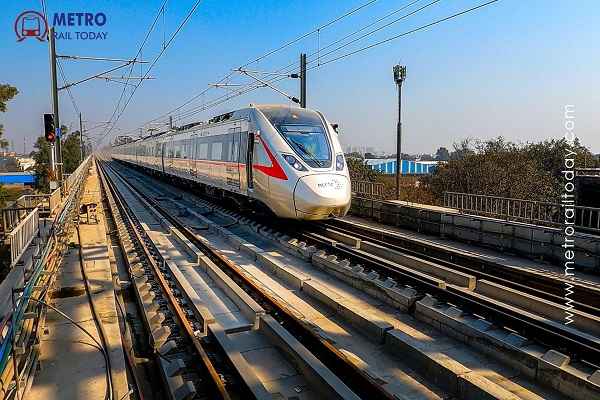 NCRTC begins groundwork for 136-km Delhi–Panipat–Karnal Namo Bharat RRTS Corridor
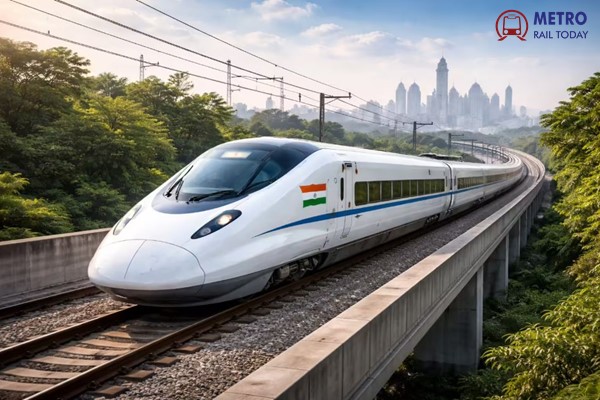 India targets March 2027 Rollout of First Indigenous Bullet Train 'Bharat B28’
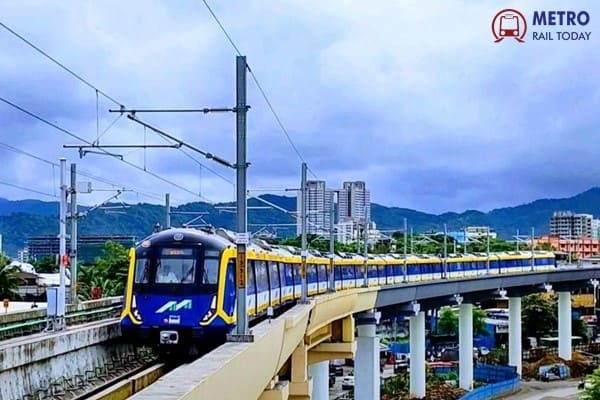 JICA approves ¥92.4 billion ODA Loan for Mumbai Metro Line 11
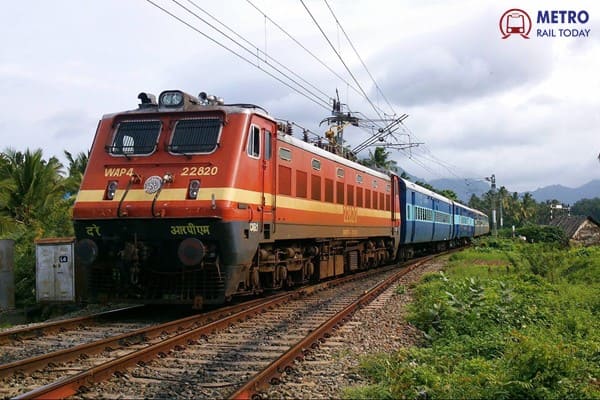 CLW sets Global Benchmark with record 800 Electric Locomotives production in FY 2025–26
 NMRC invites Applications for Key Executive Positions for Noida Metro Rail Project
 Central Govt rejects revised DPR of 7.5 km Noida-Greater Noida Metro Rail Extension Project
 Revised DPR of Prayagraj Metro focuses on seamless Rail-Air connectivity
 DMRC floats Tender for Central Vista Depot Design in Delhi Metro Phase V Expansion
- MMRDA seeks ₹14,100 Crore Loan for two upcoming Mumbai Metro Corridors
 Jupiter Wagons Eyes ₹20,000-Crore Mumbai Suburban Mega Rolling Stock Tender
Bids invited for Telecommunication Systems Contract for Kochi Metro Phase 2 Pink Line
MRT Online Desk
Posted on: 2026-03-13 16:50:00
Viewer: 877
Comments: 0
Country: India
City: Kochi
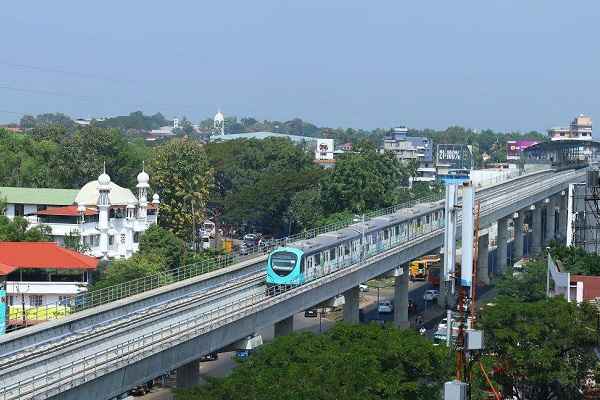
Kochi, India (Metro Rail Today): Kochi Metro Rail Limited (KMRL) has invited bids for the design, manufacture, supply, installation, testing and commissioning of a comprehensive telecommunication system for Phase-II of the Kochi Metro Rail Project.
The tender, issued on 9 March 2026, marks an important step toward preparing the upcoming Pink Line corridor for advanced operational and passenger communication systems.
Tender Details
The tender notice has been issued under Tender Number KBTL1/2026 with reference KMRL/PROC/TENDER/2025-26/103. The contract covers the deployment of a fully integrated telecommunication system across the Phase-II corridor, which will support safe and efficient metro operations.
The completion period for the project is 21 months from the date of the Letter of Acceptance (LOA).
Interested bidders can download the tender documents starting 9 March 2026, with the document cost set at ₹23,600 (including GST and processing fees).
A pre-bid meeting will be held on 17 March 2026 at 11:00 hrs, with both physical and video conference participation options available. Queries from bidders must be submitted by 23 March 2026, while responses from KMRL are expected by 27 March 2026.
The earnest money deposit (EMD) has been fixed at ₹86.5 lakh, with no exemption available for Micro and Small Enterprises (MSEs).
Bids must be submitted by 6 April 2026 (15:00 hrs), and technical bids will be opened on 7 April 2026 at 15:30 hrs.
Supporting Kochi Metro Phase-II Development
The telecommunication system contract will support the operational readiness of Kochi Metro Phase-II, also known as the Pink Line.
The 11.2-kilometre elevated corridor will connect Jawaharlal Nehru (JLN) Stadium with the Infopark campus in Kakkanad, passing through 11 stations along one of Kochi’s fastest-growing IT and residential corridors.
As of March 2026, construction work on the corridor is progressing steadily, with viaduct installation underway and overall project completion approaching the 50 percent mark.
Once operational, the corridor is expected to significantly improve connectivity between Kochi’s central areas and the rapidly developing Kakkanad IT hub, where major technology companies and business parks are located.
Role of Advanced Telecom Systems
Telecommunication systems play a critical role in modern metro networks by enabling train control communication, passenger information systems, emergency response coordination, and operational monitoring.
The integrated telecom infrastructure will support multiple systems including optical fibre communication, public address systems, passenger information displays, CCTV surveillance, and operational control connectivity across the metro corridor.
These technologies ensure real-time communication between trains, stations and operation control centres, helping improve safety, operational efficiency and passenger experience.
Commenting on the development, Mrs. Mamta Shah, MD & CEO, Urban Infra Group, said that advanced telecom infrastructure is essential for the safe and efficient functioning of modern metro systems.
“Integrated telecommunication systems are the backbone of any modern metro network. They ensure seamless coordination between trains, stations and control centres while also enhancing passenger safety and information services. As cities expand their metro networks, investments in advanced communication technologies will be crucial for reliable and efficient operations,” she said.
Strengthening Urban Mobility in Kochi
Kochi Metro Phase-II is expected to play a significant role in strengthening urban mobility in the city by connecting key residential, commercial and technology hubs.
With the project progressing steadily, the implementation of advanced systems such as telecommunications infrastructure will help ensure that the upcoming corridor meets global standards of safety, reliability and passenger service once it becomes operational.


MRT Online Desk
Metro Rail Today is an authentic and global news provider for the Rail & Metro industry from and around the world.