


Trending Now
 India commissions 1,506-km dedicated freight railway corridor connecting JNPA to New Dadri
 Exclusive Interview with Uwe Sperber, Site Manager, Hubner Interface Systems India
 Bangalore Metro floated tender for 13.8-km Phase-3 Double-Decker Rail Infrastructure
 AECOM–NIPPON KOEI JV appointed as PMC Consultant for Chennai Metro Phase 1 capacity enhancement
 EPC Leader Larsen & Toubro Ltd (L&T) joins Chamber of Railway Industries as Corporate Member
 Contractor prequalification deadline for Dubai Metro Gold Line is extended to October 9
 Indore Metro Rail Network expands to 17 km as Priority Corridor 2 opened to public
 Jaffer PC appointed as Managing Director of Bangalore Metro Rail Corporation (BMRC)
 CMRL appoints Systra to prepare Multi-Modal Integration DPR for Chennai Metro Phase 1 stations
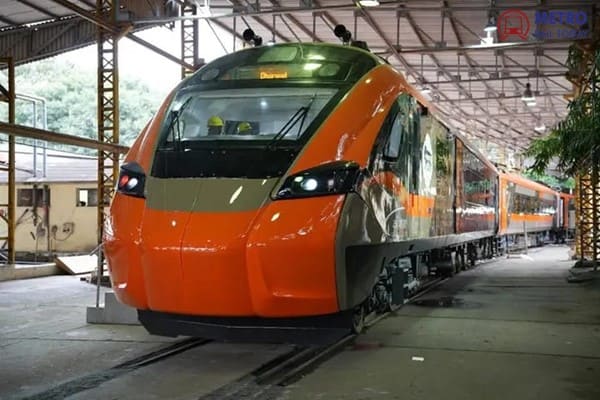 BEML secures additional ₹180.60 crore Rolling Stock Order for Vande Bharat Sleeper Trainsets
Delay in construction of Bengaluru Metro Phase 2 push project cost up by ₹10,000 crore
MRT Online Desk
Posted on: 2024-12-06 18:25:00
Viewer: 1,831
Comments: 0
Country: India
City: Bengaluru
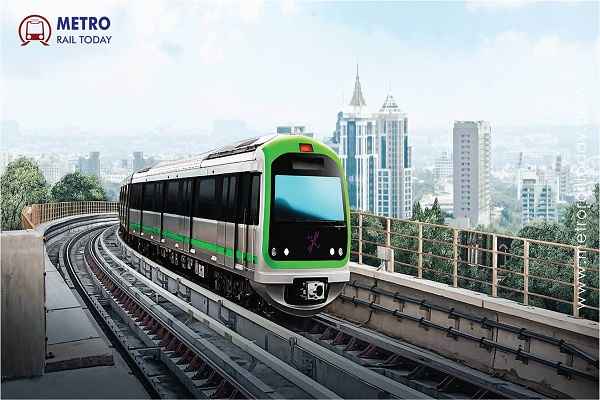
Bengaluru, India (Metro Rail Today): The cost of Namma Metro’s Phase 2 project has surged by nearly ₹10,000 crore, pushing the overall expenditure to a staggering ₹40,614.27 crore. Initially estimated at ₹30,695 crore, the significant cost increase for the 75.06-km stretch of Bengaluru's metro network can be attributed to prolonged construction delays, increased land acquisition costs, and other unforeseen challenges.
Phase 2 of the Bengaluru Metro, which is still under construction with over half of the work remaining, was originally envisioned as a major step toward expanding the city’s metro network. The extension aims to cover more areas and improve connectivity in the growing metropolis, facilitating smoother transit for Bengaluru’s residents. However, delays in construction and the rising costs associated with acquiring land for the project have created financial strain.
Factors Contributing to the Cost Surge
Several factors have contributed to the hike in costs. Prolonged construction delays, partly caused by land acquisition issues, have meant that the project is taking longer than anticipated. Furthermore, the increasing demand for land for metro stations and infrastructure has driven up prices, adding to the overall cost of the project.
In addition to the land acquisition hurdles, the COVID-19 pandemic also played a significant role in halting progress for several months, leading to further delays and cost escalation. Rising labor costs and the need for new technology and materials to meet modern standards of safety and efficiency have also impacted the budget.
Government's Response to the Cost Overrun
The issue was brought to the cabinet’s attention last Friday, but a final decision on how to handle the cost escalation has been deferred. According to Law and Parliamentary Affairs Minister HK Patil, the cabinet has requested additional details before making any decisions. "We have sought some additional details and will take it up later," he stated after the meeting.
The matter of increased costs and its implications has raised concerns about future funding for the project. The government will likely explore various funding sources, including increased state allocations, central support, and potential public-private partnerships, to bridge the financial gap.
Phase 2: A Crucial Project for Bengaluru’s Urban Future
Despite the financial challenges, the completion of Phase 2 remains crucial for the city’s transportation infrastructure. With over half of the project still under construction, the expanded metro network is expected to play a key role in alleviating Bengaluru's traffic congestion, a major issue in the fast-growing urban area.
The metro extension will connect important areas across the city, enhancing commuter convenience and reducing travel times. This is seen as vital for the growing population of Bengaluru, which faces an ever-increasing demand for public transportation. Once completed, Phase 2 will significantly improve connectivity, providing faster and more efficient transit options for daily commuters.
Looking Ahead: The Future of Bengaluru Metro
As the cost of Phase 2 continues to rise, stakeholders are closely monitoring the project’s progress. The state government, along with the Bangalore Metro Rail Corporation Ltd. (BMRCL), will need to take steps to ensure that the project is completed on time and within the revised budget. The increased financial commitment required to complete the project also raises questions about the overall sustainability of metro expansion plans in other Indian cities, where similar cost overruns and delays have been reported.
Bengaluru Metro’s Phase 2, once completed, is poised to transform the city’s public transportation landscape. However, the ongoing delays and mounting costs highlight the challenges that come with large-scale infrastructure projects in rapidly growing urban centers. How the government addresses these issues in the coming months will be pivotal in ensuring the long-term success of Bengaluru’s metro system.


MRT Online Desk
Metro Rail Today is an authentic and global news provider for the Rail & Metro industry from and around the world.