


Trending Now
 Exclusive Interview with Champak Panda, Managing Director, Rolling Stock & Components, Alstom India
 Delhi Metro invites Expression of Interests to manufacture Platform Screen Doors in India
 NMRC to appoint General Consultant for Noida-Greater Noida Aqua Line Metro Expansion
 NHSRCL launches Five Heavy Portal Beams on Mumbai-Ahmedabad Bullet Train Project
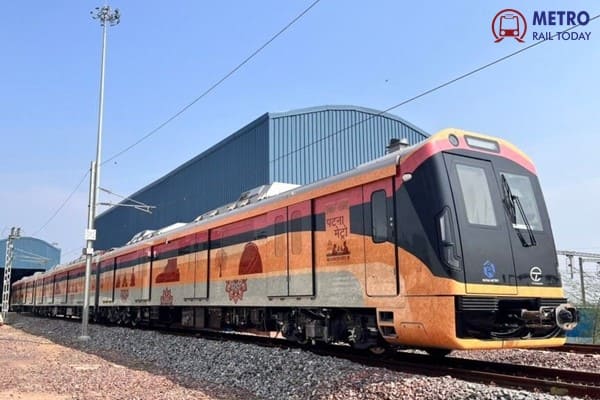 Bihar pushes Patna Metro Rail Project, explores Ultra Pod Taxi to link Airport
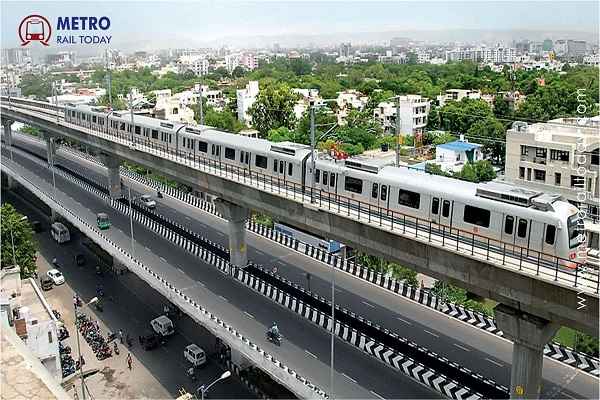 Ceigall India-led JV awarded ₹918 crore civil contract for Jaipur Metro Phase 2 Project
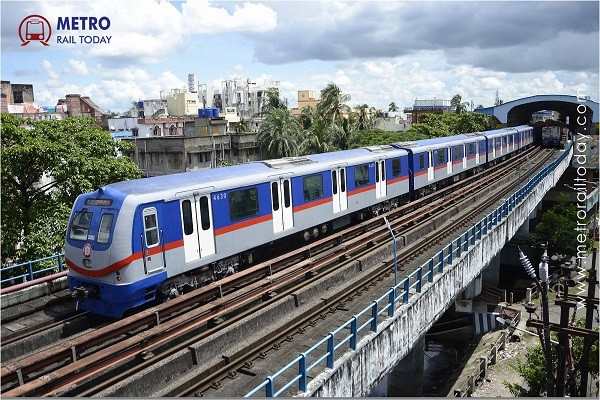 Railway Ministry sanctions ₹895 crore to upgrade Traction and Power Systems of Kolkata Metro
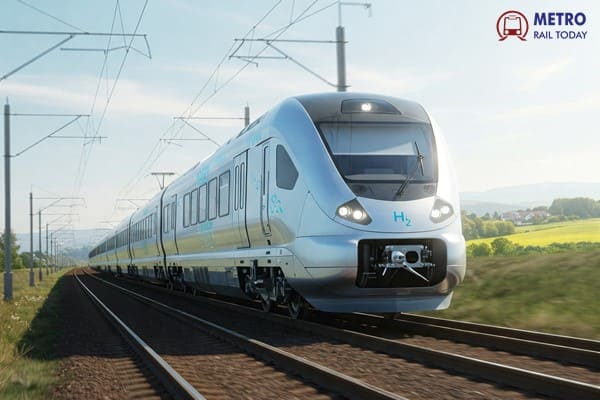 India tests First Hydrogen Train on Jind–Sonipat Route, Marks leap towards Green Rail Mobility
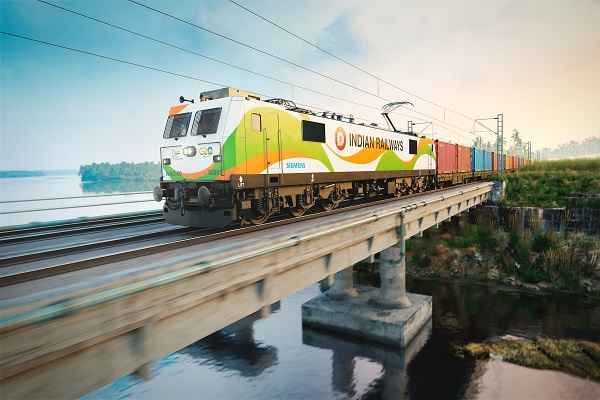 Siemens hands over first set of 9000 HP e-locomotives to Indian Railways for commercial operations
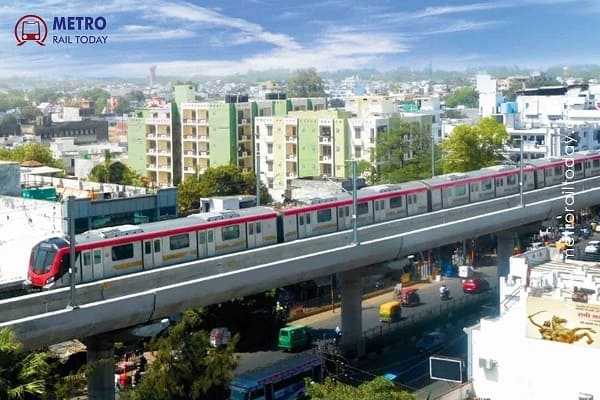 Global Tender issued for 45 Metro Coaches and Advanced Signalling for Lucknow Metro Expansion
Delhi Metro invites Expression of Interests to manufacture Platform Screen Doors in India
MRT Online Desk
Posted on: 2026-05-04 16:30:00
Viewer: 56
Comments: 0
Country: India
City: New Delhi
New Delhi, India (Metro Rail Today): In a strategic move to localise critical metro infrastructure, the Delhi Metro Rail Corporation (DMRC) has issued an Expression of Interest (EoI) inviting Indian companies to partner in the domestic manufacturing of platform screen doors (PSDs). The initiative is aimed at reducing reliance on imports, cutting costs, and accelerating deployment timelines across upcoming metro corridors.
Platform screen doors are essential safety systems installed along platform edges to prevent accidental falls and enhance passenger safety. Currently, DMRC depends largely on imported PSD systems, which has resulted in higher costs and longer procurement cycles. The new move is expected to address these challenges while strengthening India’s metro manufacturing ecosystem.
Push for Localisation Under National Guidelines
The initiative follows a directive issued by the Union Ministry of Housing and Urban Affairs in March 2025, mandating metro agencies to ensure a minimum of 75% domestic manufacturing for PSD systems. The guidelines are intended to promote indigenous production and align with the broader ‘Make in India’ vision for infrastructure development.
With Delhi Metro’s Phase IV and upcoming Phase V expansions, PSDs are set to become a standard feature across all new stations. Underground stations will be equipped with full-height platform screen doors, while elevated stations will have half-height variants, ensuring safety across diverse station designs.
Expanding Use of PSDs Across Delhi Metro
DMRC has already deployed PSDs on several parts of its network, particularly on the Pink and Magenta Lines, which operate with driverless train technology. These systems have proven effective in improving safety and managing passenger flow at busy stations.
Full-height PSDs are currently operational on the Airport Express Line and at Krishna Park Extension station on the Magenta Line. In addition, DMRC has retrofitted half-height platform screen doors at some of the busiest stations on the Yellow Line, including Kashmere Gate, Chandni Chowk, Chawri Bazar, New Delhi, Rajiv Chowk, and Central Secretariat.
The wider adoption of PSDs is expected to play a crucial role in supporting high-frequency operations, particularly as metro systems move towards automation and increased passenger volumes.
Mrs. Mamta Shah, MD & CEO of Urban Infra Group, said, “Local manufacturing of platform screen doors is a significant step towards building a self-reliant metro ecosystem in India. As metro networks expand and adopt advanced technologies like driverless operations, safety systems such as PSDs will become indispensable. Developing domestic capabilities will not only reduce costs but also ensure faster deployment and long-term sustainability.”
Supporting Future Metro Expansion
The EoI marks a forward-looking approach by DMRC as it prepares for large-scale expansion under Phase IV and Phase V. With new corridors and stations under development, the demand for PSD systems is expected to grow substantially in the coming years.
By encouraging Indian companies to participate in manufacturing, DMRC is also opening opportunities for technology transfer, innovation, and capacity building within the domestic industry.
As metro rail networks continue to expand across India, initiatives like these are expected to play a key role in creating a robust, self-sufficient supply chain for advanced urban transit infrastructure, ultimately benefiting both operators and passengers through safer and more efficient systems.


MRT Online Desk
Metro Rail Today is an authentic and global news provider for the Rail & Metro industry from and around the world.