

Trending Now
 Exclusive Interview with Champak Panda, Managing Director, Rolling Stock & Components, Alstom India
 Delhi Metro invites Expression of Interests to manufacture Platform Screen Doors in India
 NMRC to appoint General Consultant for Noida-Greater Noida Aqua Line Metro Expansion
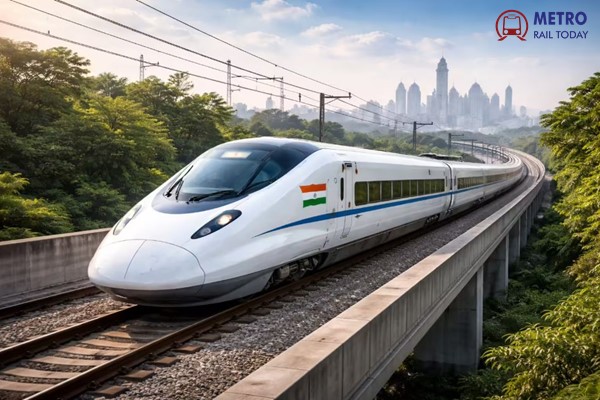 NHSRCL launches Five Heavy Portal Beams on Mumbai-Ahmedabad Bullet Train Project
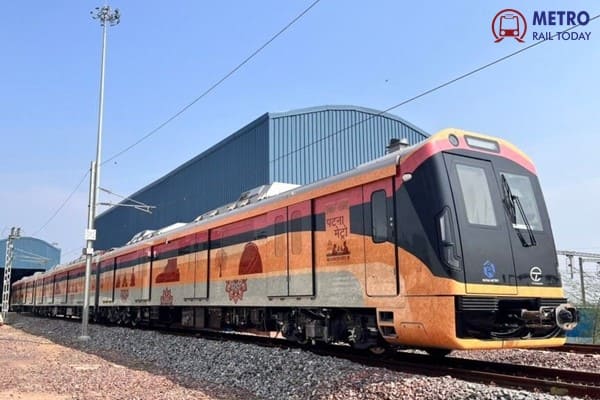 Bihar pushes Patna Metro Rail Project, explores Ultra Pod Taxi to link Airport
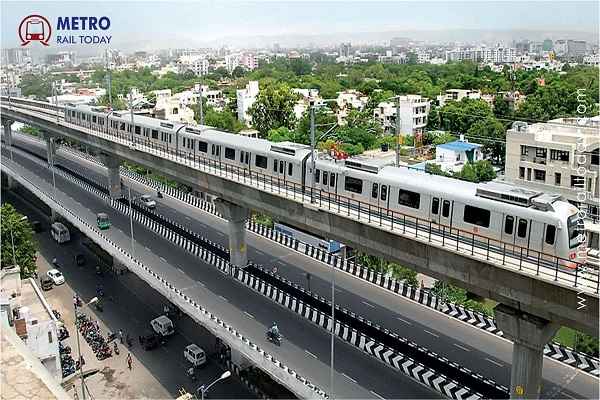 Ceigall India-led JV awarded ₹918 crore civil contract for Jaipur Metro Phase 2 Project
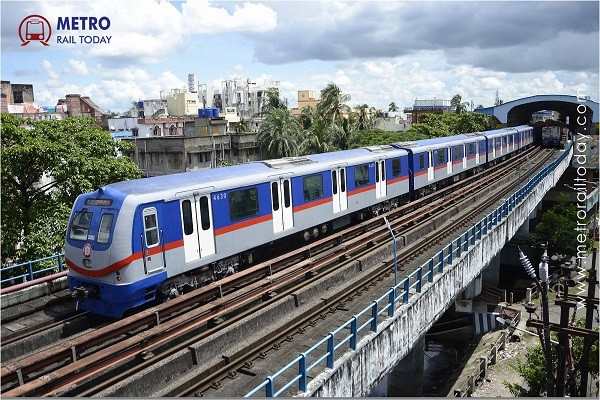 Railway Ministry sanctions ₹895 crore to upgrade Traction and Power Systems of Kolkata Metro
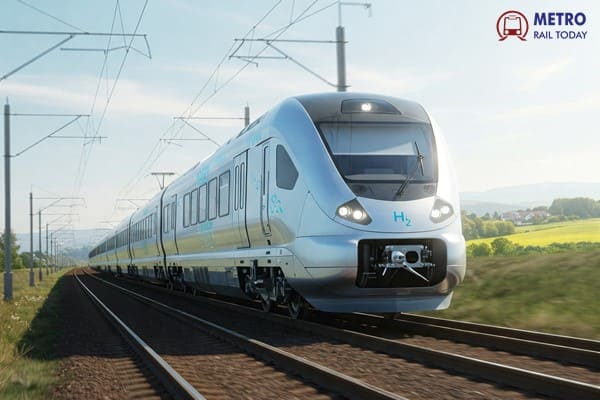 India tests First Hydrogen Train on Jind–Sonipat Route, Marks leap towards Green Rail Mobility
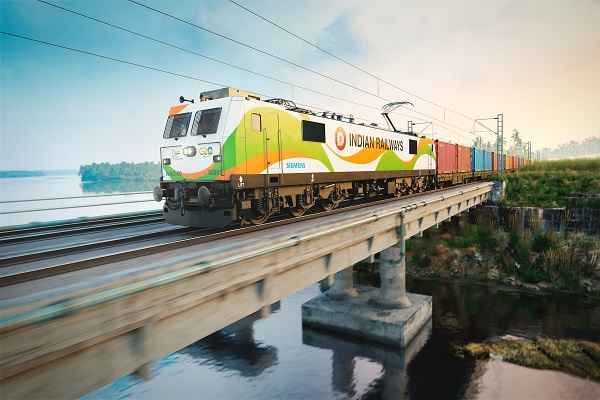 Siemens hands over first set of 9000 HP e-locomotives to Indian Railways for commercial operations
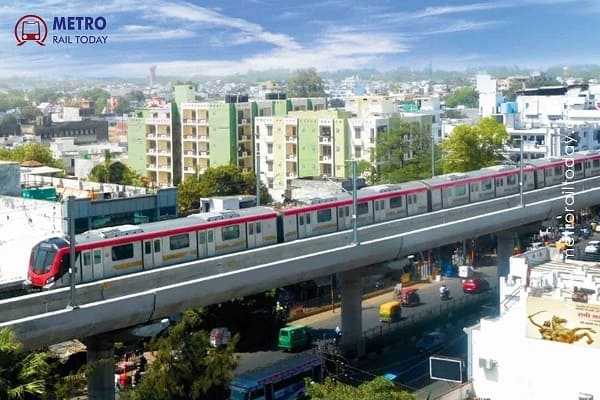 Global Tender issued for 45 Metro Coaches and Advanced Signalling for Lucknow Metro Expansion
NHSRCL launches Five Heavy Portal Beams on Mumbai-Ahmedabad Bullet Train Project
MRT Online Desk
Posted on: 2026-05-04 16:10:00
Viewer: 57
Comments: 0
Country: India
City: New Delhi
New Delhi, India (Metro Rail Today): In a major engineering achievement for India’s first high-speed rail corridor, all five heavy portal beams have been successfully launched over active Indian Railways tracks at Maninagar in Ahmedabad for the Mumbai–Ahmedabad Bullet Train project. The complex structural operation was completed within just 22 days, marking a significant milestone in the execution of the country’s flagship high-speed rail programme.
The launching sequence was carried out on April 8, 13, 19, 24, and 29, 2026, over the busy Ahmedabad–Vadodara railway line. The activity involved placing five massive precast-prestressed portal beams, each weighing between 1,170 metric tonnes and 1,360 metric tonnes, across operational railway tracks without disrupting regular rail movement.
One of the Heaviest Structural Launches Over Active Rail Lines
The heaviest portal beam, weighing around 1,360 metric tonnes, was launched on April 8, making it one of the heaviest lifts ever undertaken over active railway lines in India. Each beam measured 34 metres in length, with a cross-section of 5.5 metres by 4.5 metres, and was precast on-site before being erected as an integrated structural unit.
At Maninagar, the bullet train alignment passes over existing railway tracks at an elevated level through a geometrically challenging and skewed crossing. The span between the piers ranges from around 30 metres to 34 metres, demanding a robust structural solution capable of carrying heavy loads while maintaining precise alignment.
The portal beams were specifically designed to span multiple live railway lines, including the Ahmedabad–Vadodara up line, down line, and the third line. Their large size and weight provide the rigidity and stability required to minimise deflection and ensure safe high-speed rail operations above one of the busiest conventional rail sections in the region.
First Use of 2,200 MT Crawler Crane Over Indian Railway Tracks
The launching operation was executed using a 2,200 metric tonne crawler crane, marking the first time such heavy lifting equipment has been deployed over operational Indian Railways tracks in India. Each beam was launched in approximately 3.5 hours, significantly reducing the duration compared to earlier nine-hour traffic blocks.
Despite major constraints including limited working space, overhead electrification infrastructure, and continuous railway operations below, the beam launching was completed with high precision through coordinated planning between the project teams and Indian Railways.
Mrs. Mamta Shah, MD & CEO of Urban Infra Group, said, “The successful launching of these massive portal beams in such a constrained and operational railway environment demonstrates the advanced engineering capability being deployed on the Mumbai–Ahmedabad High-Speed Rail project. Completing such heavy structural work in compressed timelines reflects the growing maturity of India’s infrastructure execution ecosystem.”
Critical Milestone for India’s High-Speed Rail Corridor
The Mumbai–Ahmedabad Bullet Train project continues to be one of India’s most technically demanding infrastructure programmes, involving large-scale viaducts, bridges, tunnels, and station developments across Gujarat and Maharashtra.
The Maninagar crossing is considered particularly sensitive because of the need to safely integrate the high-speed rail alignment over a live railway corridor carrying heavy passenger and freight traffic. The successful completion of all five portal beam launches significantly de-risks this critical section and advances the pace of civil construction.
As work accelerates across multiple fronts, such engineering milestones underline the rapid progress of India’s first bullet train project and its growing adoption of world-class construction techniques, heavy lifting technologies, and high-precision project execution.

MRT Online Desk
Metro Rail Today is an authentic and global news provider for the Rail & Metro industry from and around the world.