

Trending Now
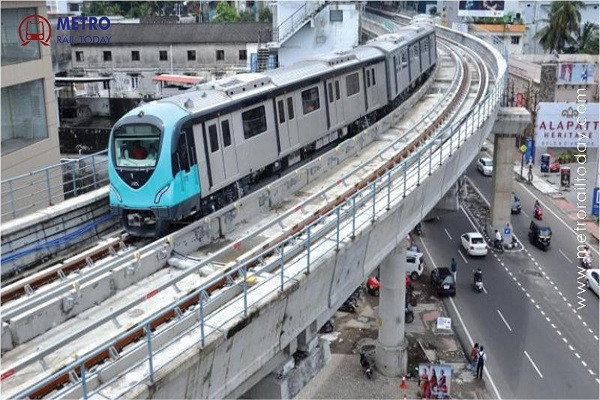 Kochi Metro unveils Visionary Design for Phase II Pink Line Metro Stations
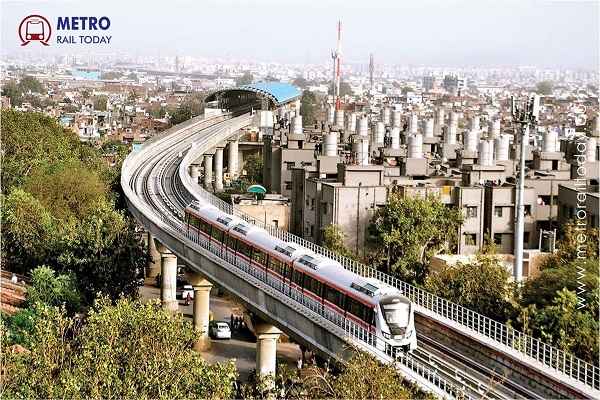 Design Consultancy Tenders floated for Ahmedabad Metro Phase 3 Elevated Corridors
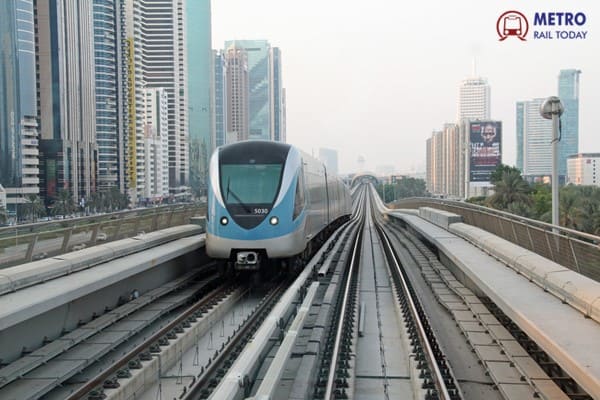 Global Metro Rail Infrastructure Market projected to reach US$ 78.3 billion by 2033
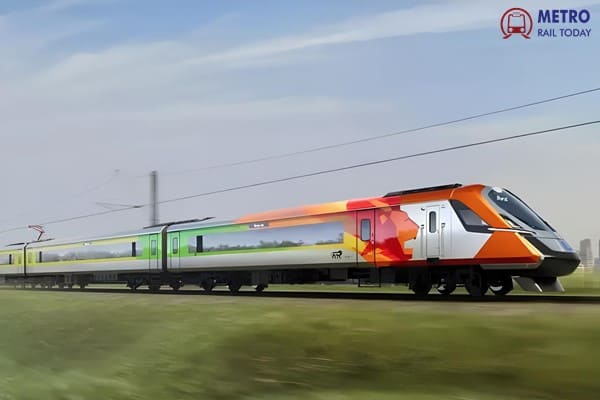 Kinet’s Vande Bharat Sleeper Concept wins prestigious Italian A’ Design Award
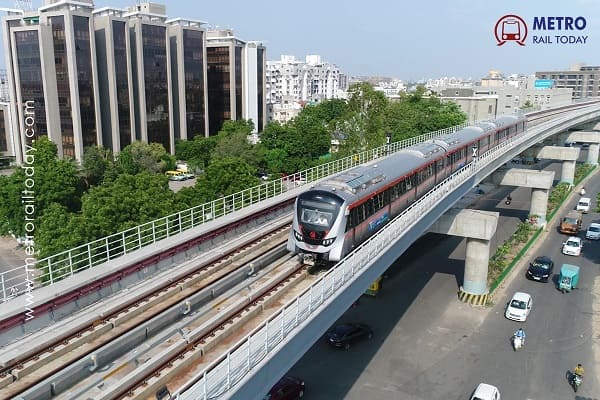 SYSTRA awarded Design Consultancy Contract for Ahmedabad Metro Phase 2 Extensions
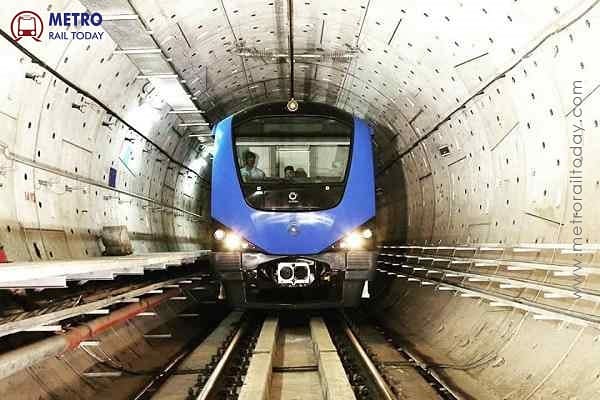 TBM Servarayan achieves Tunnel Breakthrough on Corridor 3 of Chennai Metro Phase 2
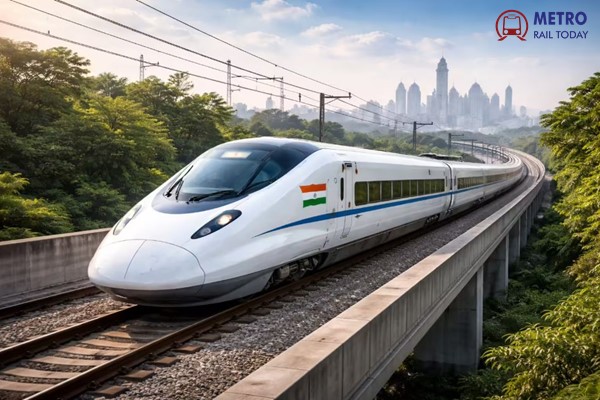 India targets 350 kmph Indigenous Bullet Train to accelerate High-Speed Rail ambitions
- RTA invites bids for $9.2 billion Dubai Metro's Gold Line Expansion Project
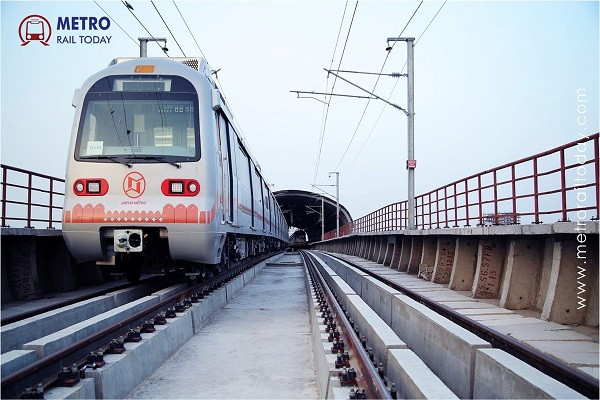 ICT–RINA JV awarded Design Consultancy Contract for Jaipur Metro Phase 2
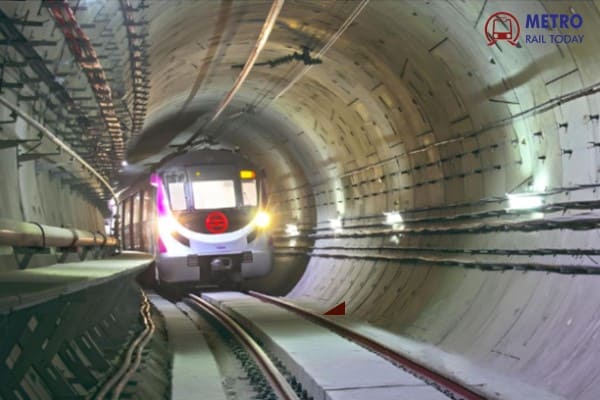 J. Kumar Infraprojects achieves TBM Breakthrough at Mahipalpur for Delhi Metro Phase IV
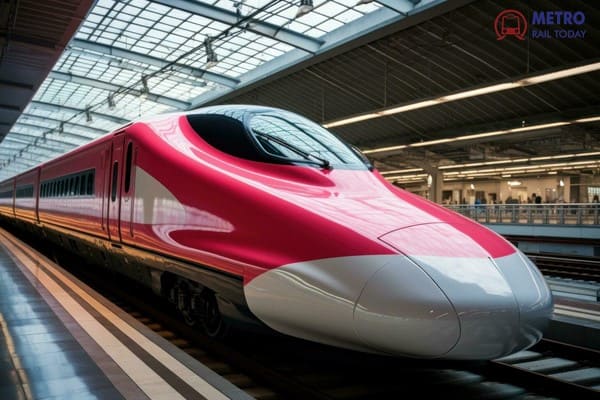
Railway Ministry orders ICF to build Two High-Speed, Broad-Gauge Trains for 2027–28
MRT Online Desk
Posted on: 2026-04-20 07:25:00
Viewer: 1,983
Comments: 0
Country: India
City: New Delhi


MRT Online Desk
Metro Rail Today is an authentic and global news provider for the Rail & Metro industry from and around the world.