


Trending Now
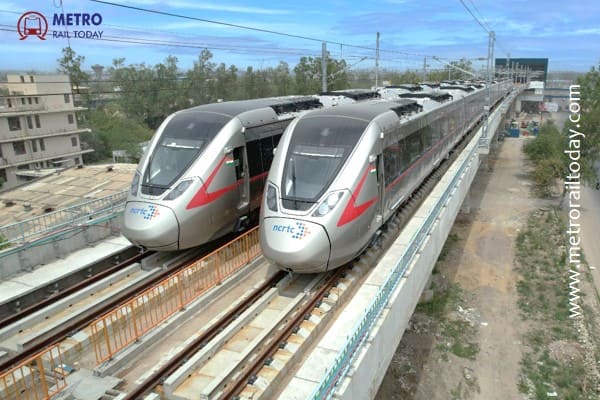 Karnataka proposes 270-km RRTS Network linking Bengaluru with Tumakuru, Mysuru and KGF
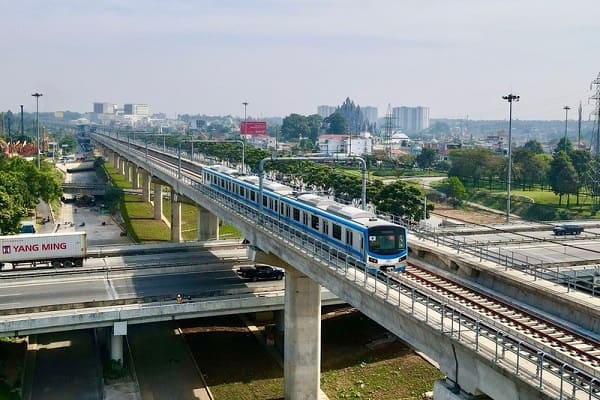 Alstom and Vingroup sign MoU to supply up to 200 Metro Trains for Hanoi Urban Rail Projects
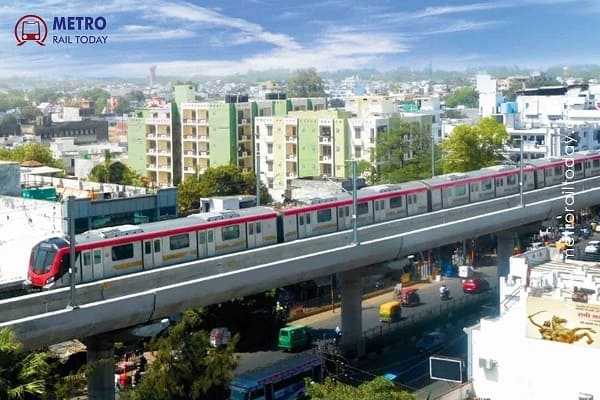 Afcons Infrastructure wins ₹1,383 crore Civil Contract for Lucknow Metro Phase 1B Corridor
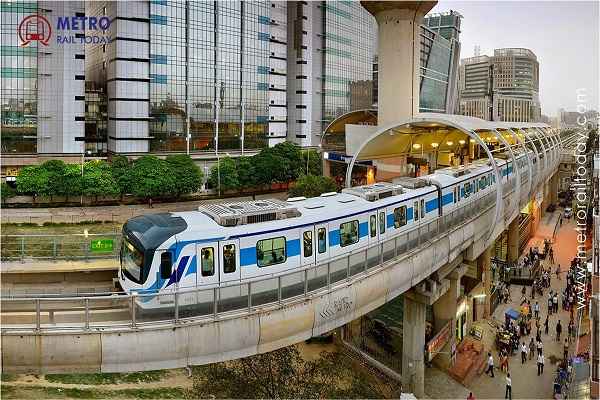 GMRL issues ₹1,662 crore Civil Tender for Sector 9–Cyber City Gurugram Metro Rail Corridor
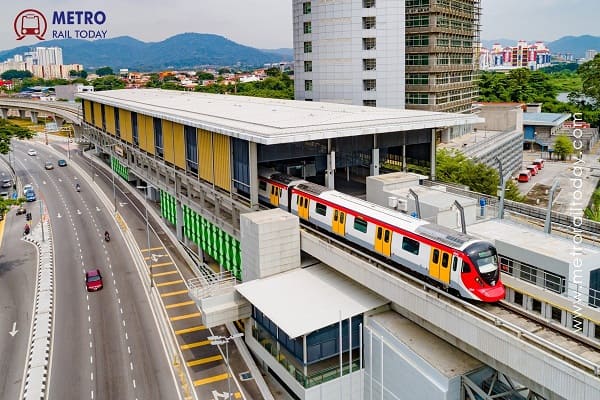 Madrid unveils €1.57 billion Metro Rail Expansion Programme with 27.8 km of New Corridors
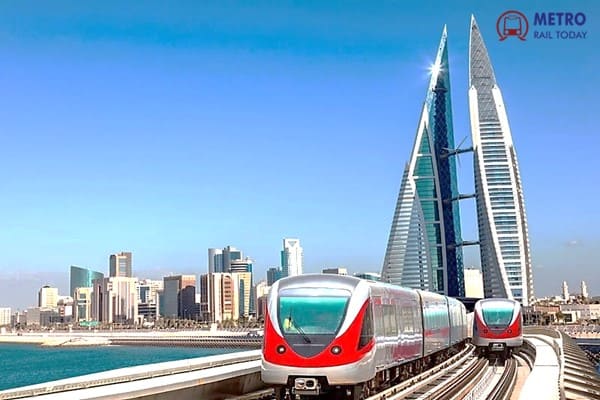 Global Tender launched for Project Management Consultancy for Abu Dhabi Tram Line 4
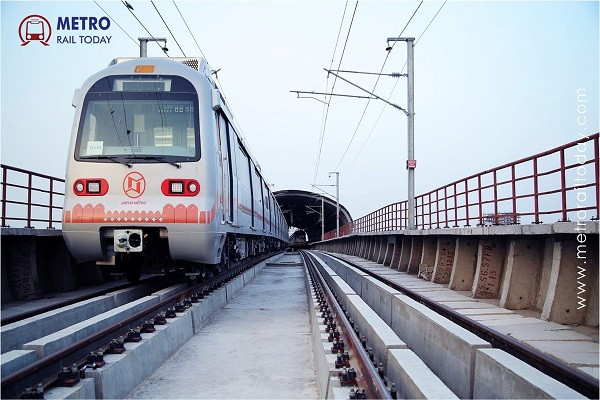 NV Dynamics awarded Noise and Vibration Study contract for Jaipur Metro Phase 2 Project
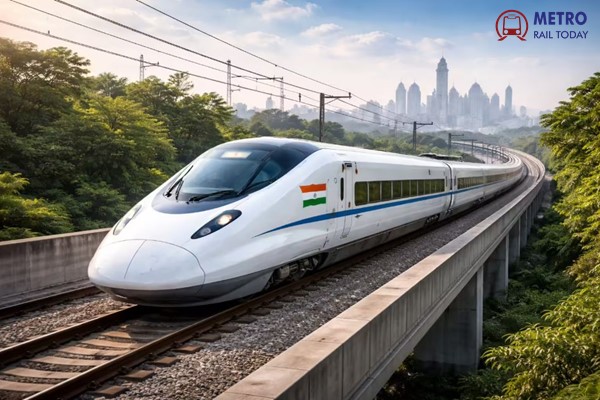 Two global consortia bid for India’s 350 kmph High-Speed Rail Design consultancy contract
 Larsen & Toubro (L&T) extends Hyderabad Metro stake sale timeline to 31 December 2026
 Haryana Govt approves ₹1,662 crore construction tender for Gurugram Metro Phase 2
Global Tender issued for 45 Metro Coaches and Advanced Signalling for Lucknow Metro Expansion
MRT Online Desk
Posted on: 2026-05-01 15:30:00
Viewer: 1,794
Comments: 0
Country: India
City: Lucknow
Lucknow, India (Metro Rail Today): In a significant move to strengthen urban mobility in Uttar Pradesh, the Uttar Pradesh Metro Rail Corporation Limited (UPMRC) has invited global tenders for the procurement of 45 standard gauge metro coaches along with advanced signalling and train control systems for the Lucknow Metro Phase-1B expansion. The initiative is aimed at enhancing passenger capacity, improving operational efficiency, and ensuring higher safety standards across the network.
Issued under tender reference number LKRS-02, the contract covers the complete lifecycle of metro rolling stock deployment and system integration. The selected contractor will be responsible for the design, manufacture, supply, testing, commissioning, and training related to the metro cars, along with the installation of modern signalling systems. The project is expected to be executed over a period of 45 months from the commencement of work.
Integrated Approach to Rolling Stock and Signalling
The tender reflects a comprehensive and integrated approach by UPMRC, combining rolling stock procurement with state-of-the-art signalling and train control systems within a single contract framework. This strategy is expected to ensure seamless compatibility between trains and operational systems, leading to improved reliability and efficiency.
The signalling component is likely to include advanced technologies that support better headway management, real-time monitoring, and enhanced safety protocols. Such systems play a crucial role in enabling higher frequency operations while minimizing human intervention and operational risks.
Bids for the project will follow a structured timeline, with the pre-bid meeting scheduled for May 20, 2026, and the final bid submission deadline set for June 16, 2026. The bid opening is expected to take place on June 17, 2026, indicating a fast-tracked procurement process.
Boosting Capacity for Lucknow Metro Phase-1B
The Lucknow Metro Phase-1B expansion is a key step toward addressing the city’s growing transportation needs. With increasing urbanisation and rising commuter demand, the addition of new metro coaches is expected to significantly improve passenger capacity and reduce waiting times.
The integration of advanced train control systems will further enhance operational performance by enabling smoother train movements, reducing delays, and ensuring safer travel conditions for passengers.
Mrs. Mamta Shah, MD & CEO of Urban Infra Group, said, “UPMRC’s integrated tender approach for rolling stock and signalling systems reflects a progressive vision for urban transit development. By aligning technology with capacity expansion, Lucknow Metro is positioning itself for more efficient, reliable, and future-ready operations that can cater to growing commuter demands.”
Strategic Push for Modern Urban Transit
The tender also highlights UPMRC’s broader strategy of adopting global best practices in metro rail development. By inviting international participation, the project is expected to attract leading manufacturers and technology providers, fostering competition and innovation in India’s metro sector.
This development aligns with the national focus on sustainable and efficient urban transportation systems, where metro networks are increasingly becoming the backbone of city mobility.
Strengthening India’s Metro Growth Story
India continues to witness rapid expansion in metro rail infrastructure, with multiple cities investing in modern transit solutions to tackle congestion and improve urban connectivity. The Lucknow Metro Phase-1B project adds to this momentum by focusing not only on network expansion but also on technological advancement.
Once implemented, the project is expected to deliver improved service quality, enhanced safety, and greater convenience for commuters, reinforcing Lucknow’s position as a growing urban centre with a robust and future-ready public transport system.

MRT Online Desk
Metro Rail Today is an authentic and global news provider for the Rail & Metro industry from and around the world.