


Trending Now
 DMRC begins Construction work on Inderlok–Indraprastha Corridor under Delhi Metro Phase 4 Expansion
 Bihar approves RRTS Plan to connect Patna with Gaya, Muzaffarpur, Ara and Begusarai
 Indian Prime Minister Narendra Modi to Flag Off Asia's First Hydrogen-Powered Train on July 17
 DMRC launches Delhi Metro International Limited to expand Urban Transit Expertise Globally
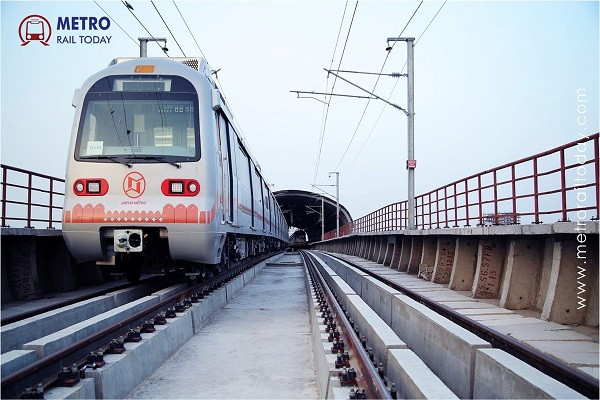 Prime Minister Narendra Modi lays Foundation Stone for ₹13,037 Crore Jaipur Metro Phase 2 Project
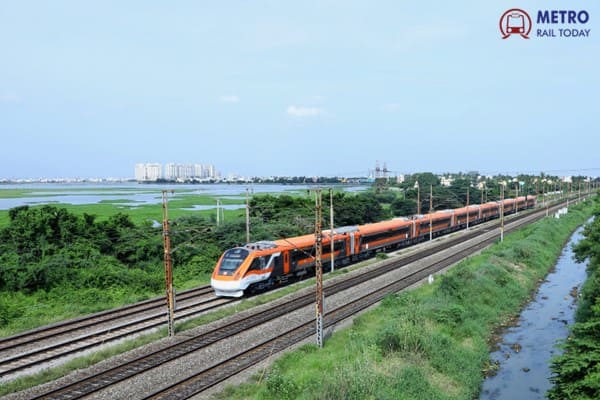 MRVC seeks Capital Infusion to Fast-Track ₹64,644 crore Railway Infrastructure Pipeline in Mumbai
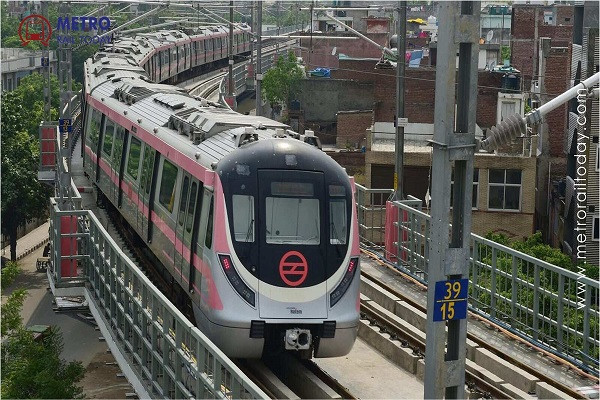 DMRC commences construction work for Central Vista Corridor under Delhi Metro Phase V
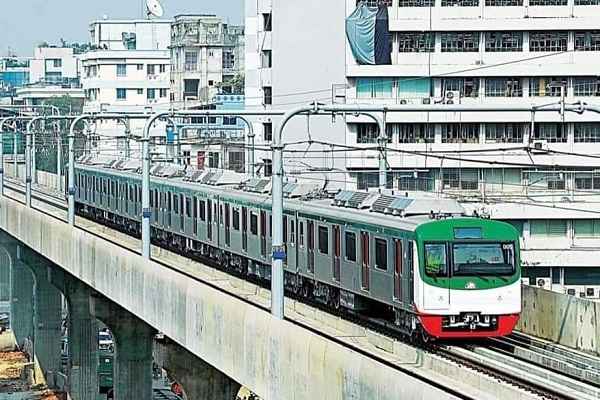 Dhaka unveils with Two New Metro Lines and Five Monorail Corridors in New Transport Master Plan
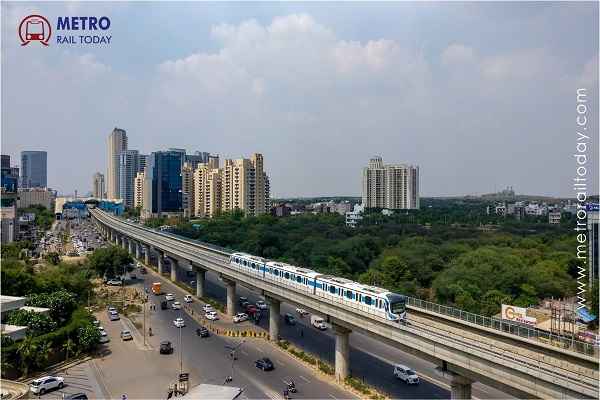 KfW delegation conducts Four-Day Appraisal Visit for Gurugram Metro Rail Project Financing
 Hyundai Rotem awarded largest US$487 million Rolling Stock Maintenance Contract from Morocco
DMRC begins Construction work on Inderlok–Indraprastha Corridor under Delhi Metro Phase 4 Expansion
MRT Online Desk
Posted on: 2026-07-09 15:55:00
Viewer: 54
Comments: 0
Country: India
City: New Delhi
New Delhi, India (Metro Rail Today): The Delhi Metro Rail Corporation (DMRC) has officially commenced construction of the Inderlok–Indraprastha Corridor, a key extension of the Delhi Metro's Magenta Line, with the launch of diaphragm wall construction at the proposed Sarai Rohilla Metro Station. The work was inaugurated in the presence of Smt. Rekha Gupta, Hon'ble Chief Minister of the National Capital Territory of Delhi, marking another significant milestone in the expansion of the capital's metro network.
The 12.377-kilometre fully underground corridor forms part of the Delhi Metro's Phase-IV expansion and is expected to substantially improve east-west connectivity across central Delhi while strengthening multimodal integration with several existing metro corridors and major transport hubs.
Sarai Rohilla Station to Serve Key Commercial and Institutional Areas
The proposed Sarai Rohilla Metro Station is one of the most strategically important stations on the Inderlok–Indraprastha corridor. Located in the heart of Central Delhi, the station will cater to densely populated residential neighbourhoods, educational institutions, commercial establishments and major landmarks, including the bustling Karol Bagh market, Desh Bandhu Gupta Road, cinema complexes and the Sarai Rohilla Railway Station.
The commencement of diaphragm wall construction marks the beginning of critical underground civil works that will enable excavation for the station structure while ensuring safety and stability in the densely built urban environment.
Magenta Line to Become Delhi Metro's Longest Corridor
The new corridor will comprise 10 underground stations and, upon completion, will transform the Magenta Line (Line-8) into the longest metro corridor in the Delhi Metro network, extending approximately 89 kilometres from Botanical Garden to Inderlok. The entire line will also operate as a driverless metro corridor, reinforcing Delhi Metro's position as one of the world's leading automated urban transit systems.
A major highlight of the extension is its extensive interchange connectivity. The corridor will provide seamless transfers to seven existing metro lines, including the Green Line and Red Line at Inderlok, the Magenta Line at Nabi Karim, the Yellow Line and Airport Express (Orange Line) at New Delhi Station, the Violet Line at Delhi Gate, and the Blue Line at Indraprastha. These interchanges are expected to significantly reduce travel times and improve accessibility across the National Capital Region.
"The expansion of the Delhi Metro through the Inderlok–Indraprastha corridor demonstrates the continued evolution of India's urban mobility infrastructure. Strategic underground metro corridors with multiple interchange stations are essential for creating an integrated, efficient and sustainable public transport network. Projects like these not only improve passenger convenience but also support economic growth, reduce road congestion and contribute to the vision of smart and liveable cities," said Mrs. Mamta Shah, MD & CEO of Urban Infra Group.
Enhancing Access to Major Landmarks
Once operational, the corridor will offer direct metro connectivity to several important destinations, including New Delhi Railway Station, Delhi Secretariat, Arun Jaitley Stadium, Jhandewalan Mandir, India Gate, Kartavya Path, the Central Vista precinct and other key government and commercial districts. The extension is expected to improve last-mile connectivity while encouraging greater use of public transport for daily commuting.
Phase-IV Expansion Progressing Across Delhi
The Inderlok–Indraprastha corridor forms an integral part of Delhi Metro Phase-IV, which aims to further expand the city's rapid transit network and improve connectivity to emerging residential and commercial areas. Construction is already underway on the priority sections of the Magenta Line extension between Janakpuri West and R.K. Ashram Marg. Of this stretch, the 1.8-kilometre Janakpuri West–Krishna Park Extension and the 9.9-kilometre Deepali Chowk–Majlis Park sections have already been opened for passenger services, while the remaining sections are being developed in phases.
In parallel, construction activities on the Central Vista metro corridor have also commenced, reflecting the government's commitment to strengthening Delhi's public transport infrastructure. With the Inderlok–Indraprastha corridor now entering the construction phase, the Delhi Metro continues to advance its vision of providing faster, seamless and environmentally sustainable mobility for millions of commuters across the National Capital Region.


MRT Online Desk
Metro Rail Today is an authentic and global news provider for the Rail & Metro industry from and around the world.